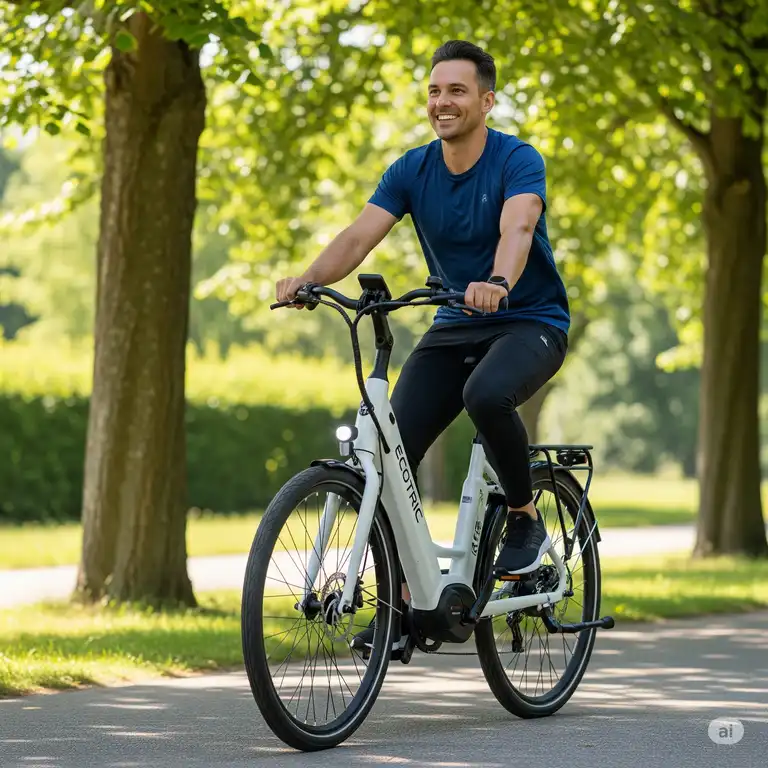

When you think about the perfect way to explore your neighborhood, commute to work, or embark on leisurely weekend adventures, an ebike cruise represents the ideal fusion of comfort, technology, and eco-friendly transportation. These electric-powered bicycles have revolutionized how we think about cycling, offering the classic cruiser experience with modern electrical assistance that makes every ride effortless and enjoyable.
✨Was this helpful? Spread the word! 🚀
The ebike cruise market has exploded in recent years, transforming from a niche product into a mainstream transportation solution that appeals to riders of all ages and fitness levels. Unlike traditional bicycles that require significant physical effort, or standard e bikes that might feel too aggressive or sports-oriented, ebike cruise models prioritize comfort, style, and a relaxed riding position that makes cycling accessible to everyone.
Quick Comparison: Ebike Cruise vs Traditional Alternatives
| Feature | Ebike Cruise | Traditional Cruiser | Standard E-Bike | Electric Scooter |
|---|---|---|---|---|
| Comfort Level | ⭐⭐⭐⭐⭐ | ⭐⭐⭐⭐ | ⭐⭐⭐ | ⭐⭐ |
| Exercise Benefit | ⭐⭐⭐⭐ | ⭐⭐⭐⭐⭐ | ⭐⭐⭐⭐ | ⭐ |
| Range Capability | ⭐⭐⭐⭐⭐ | ⭐⭐ | ⭐⭐⭐⭐⭐ | ⭐⭐⭐ |
| Speed Options | ⭐⭐⭐⭐ | ⭐⭐ | ⭐⭐⭐⭐⭐ | ⭐⭐⭐⭐ |
| Storage Capacity | ⭐⭐⭐⭐ | ⭐⭐⭐ | ⭐⭐⭐ | ⭐ |
| Weather Resistance | ⭐⭐⭐⭐ | ⭐⭐⭐⭐ | ⭐⭐⭐ | ⭐⭐ |

What sets ebike cruise models apart is their emphasis on the journey rather than the destination. Furthermore, these bikes typically feature upright seating positions, wide comfortable saddles, and swept-back handlebars that reduce strain on your back, neck, and wrists. Additionally, most modern ebike cruise options come equipped with pedal-assist systems, throttle controls, and long-lasting batteries that can power your adventures for miles without breaking a sweat.
The United States has seen remarkable growth in ebike adoption, with sales increasing by over 145% in recent years according to industry reports. This surge in popularity stems from the versatility and accessibility that ebike cruise models provide, making cycling enjoyable for commuters, recreational riders, and adventure seekers alike.
Top 7 Ebike Cruise Models: Expert Analysis
1. DDC SPORT Cruiser Electric Bike – Best Overall Value
The DDC SPORT 24-inch Cruiser Electric Bike stands out as an exceptional choice for riders seeking the perfect balance of performance, comfort, and affordability. Moreover, this ebike cruise features a robust 500W brushless motor paired with a substantial 48V 20AH removable battery system that delivers impressive range and reliability.
Key Specifications:
- Motor: 500W brushless hub motor
- Battery: 48V 20Ah removable (960Wh capacity)
- Range: Up to 50 miles per charge
- Top Speed: 22 MPH
- Wheel Size: 24 inches
- Weight Capacity: 265 lbs
- Frame Style: Step-through design
- Special Features: UL 2849 certified, front suspension fork
The curved low frame design makes mounting and dismounting effortless, while the scientific ergonomic approach ensures comfortable rides regardless of your height or experience level. Additionally, the bike arrives 90% pre-assembled, requiring minimal setup time before your first ride.
Customer Review Analysis: Users consistently praise the DDC SPORT’s smooth ride quality and excellent build construction. One verified buyer noted, “This e bike is fantastic to ride and works great. It was easy to assemble as well.” The step-through design receives particular appreciation from riders who value easy accessibility.
2. Windone E2 Electric Bike – Premium Performance Leader
The Windone E2 represents the cutting edge of ebike cruise technology, combining a powerful 750W motor with advanced features like cruise control and full suspension. This model excels in both urban commuting and off-road adventures, making it incredibly versatile for various riding conditions.
Advanced Features:
- Motor: 750W brushless hub motor
- Battery: 48V 13Ah removable (624Wh)
- Range: Up to 46.6 miles (PAS mode)
- Top Speed: 28 MPH (PAS) / 20 MPH (throttle)
- Tires: 20″ x 4.0″ fat tires
- Special Features: Cruise control, dual suspension, UL certified
The E2’s cruise control functionality sets it apart from competitors, allowing riders to maintain consistent speeds during long rides without constant throttle adjustment. Furthermore, the dual suspension system (front fork and rear) provides exceptional comfort over varied terrain, while the fat tires offer superior traction and stability.
Professional Assessment: Industry reviewers highlight the E2’s tank-like construction and smooth acceleration. The bike’s retro-inspired design combines classic aesthetics with modern performance capabilities, appealing to riders who want both style and substance.
3. Schwinn Coston DX – Heritage Brand Excellence
The Schwinn Coston DX brings over a century of bicycle manufacturing expertise to the ebike cruise segment. This model represents Schwinn’s commitment to quality construction, reliable performance, and accessible pricing for mainstream consumers.
Traditional Meets Modern:
- Motor: 250W geared hub motor
- Battery: 360Wh integrated lithium-ion
- Range: 35-45 miles per charge
- Top Speed: 20 MPH
- Wheel Size: 27.5″ x 2.6″
- Features: 7-speed drivetrain, integrated lighting, rear rack
What makes the Coston DX special is its integrated frame lighting system, featuring LED strips built into the battery compartment sides. This innovative safety feature provides 360-degree visibility during nighttime rides, significantly enhancing rider safety in low-light conditions.
Customer Feedback: Long-term users appreciate the bike’s reliability and comfortable geometry. One reviewer mentioned, “My new 3 minute commute to work is fantastic! The well thought out design features – like the storage seat, storage rack and integrated light just make life easier.”
4. Lectric XP4 – Folding Innovation Champion
The Lectric XP4 revolutionizes the ebike cruise category with its innovative folding design and modular battery system. This model proves that you don’t have to sacrifice performance for portability, offering full-size bike capabilities in a compact, travel-friendly package.
Compact Powerhouse:
- Motor Options: 500W or 750W hub motor
- Battery: 10.4Ah standard / 17.5Ah long-range
- Range: Up to 85 miles (long-range model)
- Top Speed: 28 MPH (Class 3)
- Weight: 62 lbs (without battery)
- Folding: Complete frame folding system
The XP4’s torque sensor technology provides natural pedal-assist engagement, making the electric assistance feel seamless and intuitive. Additionally, the full-color TFT display offers comprehensive ride data and customization options that tech-savvy riders appreciate.
Innovation Highlights: The 602 hydraulic brake system features 28% thicker rotors than previous models, providing exceptional stopping power. The 5-amp fast charger reduces charging time to approximately 2-3.5 hours, making daily use more convenient.
5. Funhang Electric Mountain Bike – Versatile Adventure Partner
The Funhang 26-inch Electric Mountain Bike bridges the gap between ebike cruise comfort and mountain bike capability. This model offers five distinct riding modes, including a dedicated cruise mode for extended comfortable riding.
Multi-Mode Capabilities:
- Motor: 1000W peak power
- Battery: 48V 374.4WH removable
- Range: 40-50 miles (PAS mode)
- Top Speed: 21.7 MPH
- Gearing: 21-speed Shimano system
- Suspension: Adjustable front fork
The cruise mode functionality allows riders to maintain steady speeds without constant pedal input, perfect for long-distance touring or commuting. Moreover, the adjustable stem accommodates riders from 5’3″ to 6’1″, making it suitable for a wide range of body types.
Terrain Adaptability: The combination of mountain bike geometry and cruise-friendly features makes this model exceptional for riders who want one bike for multiple purposes – city commuting, trail riding, and recreational cruising.
6. Priority E-Coast – Premium Belt Drive System
The Priority E-Coast stands alone as the only electric belt drive beach cruiser currently available in the market. This model combines traditional cruiser aesthetics with cutting-edge drivetrain technology for a truly unique riding experience.
Revolutionary Design:
- Motor: 500W rear hub motor
- Drivetrain: Gates Carbon Drive belt
- Battery: Integrated frame-mounted
- Tires: 3-inch wide comfort tires
- Frame: Rust-resistant aluminum
- Features: Hydraulic disc brakes, integrated lighting
The Gates Carbon Drive system eliminates chain maintenance entirely – no rust, no grease, and no routine adjustments needed. This innovation particularly appeals to riders who want maximum convenience with minimal upkeep requirements.
Coastal Engineering: Designed specifically for coastal environments, the E-Coast features sealed bearings and corrosion-resistant components that withstand salt air, sand, and moisture better than traditional bicycles.
7. Lectric XP 3.0 Long-Range – Established Performance
The Lectric XP 3.0 represents the refined evolution of one of America’s best-selling ebikes. With over 500,000 units sold, this model has proven its reliability and performance across diverse riding conditions and user demographics.
Proven Excellence:
- Motor: 1000W peak rear hub motor
- Battery: 672Wh long-range option
- Range: Up to 65 miles
- Top Speed: 28 MPH
- Weight: 64 lbs
- Brakes: 180mm hydraulic disc brakes
The XP 3.0’s Pedal Assist Wattage Regulation (PWR) system provides intuitive power delivery that adapts to riding conditions automatically. This technology makes the bike feel more natural and responsive compared to basic speed-based assist systems.
Community Proven: With hundreds of thousands of satisfied customers, the XP 3.0 has demonstrated long-term reliability and customer satisfaction. The extensive accessory ecosystem allows for significant customization and upgrades.
💬 Just one click – help others make better buying decisions too!😊
✨ Don’t Miss These Exclusive Deals! 🛒
Ready to experience the freedom of ebike cruise riding? Check current pricing and availability on these carefully selected models. Each one offers unique advantages for different riding styles and budgets – click on any highlighted item to explore your perfect match! ⚡

Detailed Feature Analysis
Motor Technology and Performance
The motor system represents the heart of any ebike cruise, determining both performance capabilities and riding experience. Modern ebike cruise models typically feature three primary motor configurations: hub motors, mid-drive systems, and specialized cruise-optimized powertrains.
Hub Motor Advantages: Hub motors, found in models like the DDC SPORT and Windone E2, offer several distinct benefits for cruise applications. First, they provide direct wheel propulsion without affecting the bicycle’s existing drivetrain, maintaining the familiar pedaling feel that many riders prefer. Second, hub motors operate quietly, contributing to the peaceful, relaxed experience that defines ebike cruise riding.
The power range typically spans from 250W (as in the Schwinn Coston) to 1000W peak power (Funhang model). However, more power doesn’t always translate to better cruising experience. For relaxed, comfortable riding, moderate power levels often provide optimal balance between assistance and natural pedal feel.
Cruise Control Technology: Advanced models like the Windone E2 incorporate dedicated cruise control systems that maintain consistent speeds without constant throttle input. This feature proves invaluable during long rides, reducing hand fatigue and allowing riders to focus on enjoying the scenery rather than managing controls.
The cruise control implementation typically activates at speeds above 6-7 MPH, engaging when riders maintain steady pedal input for several seconds. Once active, the system maintains the selected speed until the rider brakes, shifts, or manually disengages the function.
Battery Systems and Range Optimization
Battery technology has revolutionized ebike cruise capabilities, with modern lithium-ion systems providing the range and reliability necessary for extended adventures. The relationship between battery capacity, motor efficiency, and real-world range involves multiple variables that affect daily usability.
Capacity Considerations: Entry-level models typically feature 360-450Wh batteries (like the Schwinn Coston’s 360Wh system), providing adequate range for short commutes and recreational rides. Mid-range options offer 600-700Wh capacity (such as the Windone E2’s 624Wh battery), supporting longer journeys and more demanding use cases.
Premium long-range models, exemplified by the Lectric XP 3.0’s 672Wh system, can achieve 60+ mile ranges under optimal conditions. However, real-world range depends on factors including rider weight, terrain, weather conditions, assist level selection, and riding style.
Charging Infrastructure: Modern ebike cruise models feature removable batteries that can be charged indoors, eliminating the need to bring the entire bicycle to power sources. Standard charging times range from 4-8 hours, while fast-charging systems (like the Lectric XP4’s 5-amp charger) can reduce this to 2-3.5 hours.
The removable battery design provides additional security benefits, allowing riders to remove the valuable battery component when parking in public areas. Most systems include locking mechanisms to prevent theft while maintaining easy removal for charging.
Comfort Engineering and Ergonomics
The defining characteristic of ebike cruise design is the emphasis on rider comfort across all contact points and riding positions. This focus distinguishes cruise models from performance-oriented or sport-utility ebikes that prioritize speed or utility over comfort.
Seating Position Optimization: Ebike cruise models feature upright riding positions that reduce strain on the back, neck, and wrists compared to traditional bicycle geometries. The handlebar positioning typically places grips at or slightly below saddle height, allowing riders to maintain natural arm positions during extended rides.
Seat design incorporates wider platforms with additional cushioning compared to standard bicycle saddles. Many models feature springs or suspension systems within the seat post assembly, providing additional shock absorption over rough surfaces.
Handlebar Configuration: Swept-back handlebar designs are standard across ebike cruise models, positioning controls within easy reach while maintaining comfortable arm angles. The wider grip positions also contribute to improved stability and control, particularly important given the additional weight and power of electric systems.
Industry-Specific Applications
Professional and Commercial Uses
The ebike cruise segment has found significant adoption across various professional applications where comfort, reliability, and extended range capabilities provide operational advantages over traditional transportation methods.
Tourism and Hospitality: Beach resorts, urban tour companies, and recreational facilities increasingly adopt ebike cruise fleets for guest services. The comfortable riding position and electric assistance make these bikes accessible to guests of varying fitness levels and cycling experience. Additionally, the relaxed riding style aligns perfectly with leisurely tourism activities.
Hotels and resorts report that ebike cruise programs enhance guest satisfaction while reducing environmental impact compared to shuttle services or car rentals. The typical range capabilities allow guests to explore local areas independently without range anxiety or physical exhaustion.
Campus and Corporate Transportation: Large corporate campuses and educational institutions utilize ebike cruise models for efficient transportation across expansive grounds. The combination of comfort and utility makes these bikes practical for daily commuting while encouraging sustainable transportation choices.
Security and maintenance departments particularly value models with robust construction and reliable electrical systems. The DDC SPORT and Schwinn Coston models have proven popular in these applications due to their balance of durability and ease of maintenance.
Delivery and Light Commercial Services: Local businesses increasingly adopt ebike cruise models for last-mile delivery services, particularly in areas where traditional delivery vehicles face parking or access challenges. The cargo-carrying capability and extended range make these bikes practical for food delivery, pharmacy services, and other time-sensitive applications.
Regional and Cultural Considerations
Different geographic regions and cultural contexts influence ebike cruise adoption patterns and preferred specifications, creating diverse market segments with distinct requirements.
Coastal Communities: Beach communities show strong preference for models designed to withstand salt air and sand exposure. The Priority E-Coast specifically addresses these environmental challenges with corrosion-resistant materials and sealed component systems.

Coastal riders often prioritize style and leisure functionality over aggressive performance specifications. The classic cruiser aesthetic combined with modern electric assistance aligns perfectly with beach culture and recreational riding preferences.
Urban Commuter Markets: Dense urban areas require ebike cruise models that balance performance with practical considerations like folding capability, theft resistance, and public transportation compatibility. The Lectric XP series addresses these needs with compact folding designs and removable battery systems.
Urban riders often utilize bike-share programs or mixed-modal transportation, making lightweight, portable models particularly valuable. The ability to fold and carry ebike cruise models on trains, buses, or up stairs expands their practical utility in city environments.
Suburban and Rural Applications: Suburban and rural riders typically prioritize range, comfort, and versatility over portability or urban-specific features. Models like the Funhang Electric Mountain Bike appeal to these users with longer range capabilities and multi-terrain functionality.
The lower population density in these areas often means longer distances between destinations, making extended range capabilities and comfortable riding positions essential for practical transportation use.
Advanced Technical Analysis
Engineering Principles and Technology Integration
The development of effective ebike cruise systems requires sophisticated integration of multiple engineering disciplines, from electrical systems and battery management to mechanical design and human factors engineering.
Power Management Systems: Modern ebike cruise models incorporate intelligent battery management systems (BMS) that optimize power delivery, protect battery longevity, and provide predictive range estimates. These systems monitor individual cell voltages, temperature conditions, and discharge rates to maximize both performance and component lifespan.
The BMS integration affects real-world performance significantly. Premium models like the Lectric XP series feature advanced algorithms that adapt power delivery based on riding conditions, pedal input, and remaining battery capacity. This intelligence creates more natural riding experiences while maximizing range efficiency.
Sensor Technology Integration: Torque sensors, found in higher-end models like the Lectric XP4, measure pedal force input and adjust motor assistance proportionally. This creates a more natural riding feel compared to basic cadence sensors that simply detect pedal rotation.
Speed sensors integrate with the overall control system to manage power delivery according to local regulations and rider preferences. The multi-class capability (Class 1, 2, and 3) found in advanced models allows riders to adjust maximum speeds and power levels based on local laws or personal preferences.
Thermal Management: Effective heat dissipation is crucial for maintaining consistent performance during extended rides or challenging terrain. Hub motor designs incorporate cooling fins and strategic airflow paths to manage operating temperatures, while battery systems feature thermal monitoring to prevent overheating.
The motor placement affects thermal characteristics significantly. Rear hub motors (common in ebike cruise applications) benefit from improved weight distribution and cooling airflow, contributing to more consistent performance across varying riding conditions.
Scientific Research and Performance Metrics
Recent academic studies have examined the physiological and psychological benefits of ebike cruise riding, providing scientific validation for many user-reported advantages.
Cardiovascular Benefits Research: A comprehensive study published in the Journal of Medical Internet Research found that ebike riders achieved 85% of the cardiovascular benefits of traditional cycling while riding 40% longer distances on average. The electric assistance allows riders to maintain target heart rate zones more consistently, optimizing fitness benefits.
Ebike cruise models specifically show superior adherence rates compared to traditional exercise programs. The comfortable riding position and variable assistance levels enable users to gradually increase physical activity without overwhelming strain or discomfort.
Metabolic Analysis: Research from the University of Colorado Boulder demonstrated that ebike riding burns an average of 400-500 calories per hour, compared to 600-700 for traditional cycling. However, ebike riders typically exercise for longer durations, often resulting in similar or greater total caloric expenditure.
The psychological factors prove equally important. Studies indicate that ebike riders report higher enjoyment levels and lower perceived exertion compared to traditional cycling, leading to more consistent long-term exercise habits.
Environmental Impact Studies: Life-cycle analysis research shows that ebike cruise models produce approximately 10-15% of the carbon emissions associated with car travel for equivalent distances. When considering the manufacturing and electricity consumption over typical 5-year ownership periods, ebikes demonstrate clear environmental advantages.
Battery recycling programs and improved manufacturing processes continue to reduce the environmental footprint. Major manufacturers now partner with specialized recycling facilities to recover lithium, cobalt, and other valuable materials from end-of-life batteries.
Innovation Trends and Technological Advancement
The ebike cruise segment continues evolving rapidly, with emerging technologies promising to enhance performance, convenience, and user experience significantly.
Smart Connectivity Features: Next-generation models increasingly incorporate smartphone integration, GPS tracking, and cloud-based ride analytics. These features allow riders to monitor performance metrics, plan routes, and share experiences with online communities.
Anti-theft systems utilizing GPS tracking and smartphone alerts provide security enhancements that traditional bicycles cannot match. Some advanced systems can disable motor function remotely or sound alarms when unauthorized movement is detected.
Battery Technology Evolution: Emerging battery technologies promise significant improvements in energy density, charging speed, and operational lifespan. Solid-state battery systems, currently in development, could increase range by 40-50% while reducing weight and charging time.
Fast-charging capabilities continue improving, with some manufacturers targeting 80% charge capacity in under 30 minutes. This advancement would make ebike cruise models more practical for longer trips and professional applications.
Autonomous Features: Research into autonomous guidance systems for bicycles shows promising early results. While full autonomy remains distant, features like automatic gear shifting, adaptive suspension, and predictive power management are becoming commercially viable.
Comprehensive Setup and Usage Guide
Initial Assembly and Configuration
Proper setup is crucial for maximizing the performance, safety, and longevity of your ebike cruise. While most models arrive 85-90% pre-assembled, the remaining assembly steps and initial configuration significantly impact your riding experience.
Unboxing and Inspection Protocol: Begin by carefully examining the packaging for shipping damage and documenting any concerns with photos before proceeding. Most manufacturers double-box their products, but transportation stresses can still affect delicate electronic components.
Remove all components systematically, checking against the included parts list. Pay particular attention to small hardware items, cables, and accessories that might be packed separately. The Lectric models, for example, include detailed component lists and assembly videos accessible via QR codes on the packaging.
Mechanical Assembly Sequence: Start with the front wheel installation, ensuring proper alignment and secure fastening according to manufacturer torque specifications. Most ebike cruise models use quick-release systems, but some premium models like the Priority E-Coast feature through-axle systems requiring different installation procedures.
Handlebar attachment requires careful attention to cable routing and connector locations. Modern ebike cruise models integrate multiple cables (motor power, brake sensors, display connections) that must be properly routed to prevent damage or interference with steering movement.
Electrical System Activation: Battery installation and initial charging represent critical steps that affect long-term performance. Most lithium-ion batteries ship with partial charges (typically 40-60%) for storage safety, requiring full charging before first use.
The initial charge cycle should extend to complete capacity (indicated by solid green lights or display confirmation) even if this requires 6-8 hours. This process helps calibrate the battery management system and establish baseline capacity measurements.
Safety Systems Verification: Test all safety systems before your first ride, including brake function, motor cutoff switches, and lighting systems. The motor should stop immediately when brake levers are squeezed, and all electrical systems should respond to display controls appropriately.
Verify that speed and power limitations match local regulations and your intended use. Most models allow adjustment of maximum speeds and assist levels through display settings or smartphone applications.
User Compatibility and Customization
Ebike cruise models accommodate diverse rider demographics through adjustable components and customizable settings, but proper configuration is essential for optimal comfort and performance.
Physical Fit Optimization: Seat height adjustment represents the most critical fit parameter, affecting both comfort and pedaling efficiency. Proper height allows slight knee bend (25-30 degrees) at the bottom of the pedal stroke while maintaining comfortable reach to the handlebars.
The upright riding position characteristic of ebike cruise models reduces the sensitivity to precise fit compared to performance bicycles, but proper adjustment still significantly impacts comfort during extended rides.
Handlebar position adjustment, available on models like the Funhang Electric Mountain Bike, allows customization of reach and riding posture. Riders with shorter torsos or arm lengths may prefer more upright positions, while taller riders might benefit from slightly more forward positions.
Control System Customization: Display settings allow personalization of information presentation, assist level responses, and operational preferences. Most models provide options for unit selection (mph vs. km/h), display brightness, and automatic power-off timing.
Assist level customization proves particularly valuable for matching power delivery to individual preferences and riding conditions. Stronger riders might prefer lower assist levels for exercise benefits, while commuters might prioritize higher assistance for consistent travel times.
Accessory Integration Planning: Consider your intended use cases when planning accessory additions. Commuters might prioritize cargo racks, fenders, and lighting upgrades, while recreational riders might focus on comfort enhancements like suspension seat posts or ergonomic grips.
The DDC SPORT and Schwinn Coston models include mounting points for standard accessories, while the Lectric series offers extensive proprietary accessory ecosystems designed specifically for their frame geometries.
Environmental Requirements and Optimization
Ebike cruise performance varies significantly based on environmental conditions, requiring understanding of how weather, terrain, and usage patterns affect operation and maintenance needs.
Weather Condition Adaptations: Most ebike cruise models feature IP65 or IPX4 water resistance ratings, protecting against light rain and splashing but requiring caution in heavy precipitation or flood conditions. The Priority E-Coast specifically addresses coastal weather challenges with enhanced sealing and corrosion resistance.
Cold weather affects battery performance significantly, with capacity decreasing 15-25% in temperatures below 40°F (4°C). Planning for reduced range during winter months prevents unexpected power depletion during rides.
Hot weather presents different challenges, with thermal management becoming crucial for maintaining consistent performance. Avoid leaving batteries in direct sunlight or enclosed vehicles where temperatures can exceed safe operating ranges.
Terrain Adaptation Strategies: Hilly terrain requires different riding strategies compared to flat conditions. Pre-planning assist levels and battery conservation becomes important for maintaining adequate power reserves throughout rides.
The multi-mode capabilities found in models like the Funhang Electric Mountain Bike allow riders to adjust power delivery based on immediate terrain requirements. Steep climbs might require maximum assist, while descents allow battery recovery through regenerative braking (where available).
Storage and Maintenance Environment: Indoor storage provides optimal conditions for both bicycle and battery longevity. Garage storage is acceptable if temperature extremes are avoided, but outdoor storage requires weather protection and security considerations.
Battery storage requires particular attention to temperature and charge state. Long-term storage (more than 30 days) should maintain 40-60% charge levels in temperatures between 32-77°F (0-25°C) for optimal cell health.
Maintenance and Longevity
Preventive Maintenance Schedules
Proper maintenance scheduling extends ebike cruise lifespan significantly while maintaining optimal performance and safety. The electrical components require different maintenance approaches compared to traditional bicycles, but mechanical systems follow similar service intervals.
Daily Use Inspection (5 minutes): Before each ride, perform basic safety checks including tire pressure, brake function, and battery charge level. Visual inspection of cables, connections, and mounting hardware can identify potential issues before they become safety hazards.
Check that all electrical connections remain secure and free from corrosion or damage. The removable battery connections in models like the DDC SPORT require particular attention to contact cleanliness and proper seating.
Weekly Maintenance (15-20 minutes): Clean the bicycle frame and components with mild soap and water, avoiding high-pressure washing that can force water into electrical connections. Pay special attention to the chain, gears, and brake components that accumulate dirt and debris during regular use.
Inspect tire condition for wear, cuts, or embedded debris that could cause flats. The fat tires found on models like the Windone E2 typically last longer than standard bicycle tires but require monitoring for proper inflation pressure.
Monthly Comprehensive Service (45-60 minutes): Perform thorough cleaning and lubrication of all mechanical components. Chain lubrication is particularly important, as the additional motor power can accelerate wear if maintenance is neglected.
Check all bolted connections for proper torque, paying special attention to motor mounts, battery brackets, and handlebar clamps. The vibrations from motor operation can gradually loosen connections over time.
Quarterly Professional Service: Consider professional inspection and service every 3-4 months or 500-750 miles of riding. Professional technicians can perform electrical system diagnostics, brake adjustments, and component replacements that require specialized tools or expertise.
Battery health assessment becomes important after the first year of use. Professional testing can identify capacity degradation and recommend optimization strategies or replacement timing.
Component Replacement and Upgrades
Understanding replacement intervals and upgrade options helps maintain optimal performance while managing long-term ownership costs effectively.
High-Wear Components: Brake pads typically require replacement every 1,000-2,000 miles depending on riding conditions and component quality. The hydraulic disc brakes found on premium models like the Lectric XP series generally last longer than mechanical systems but require professional service for fluid replacement.
Chain and cassette replacement intervals vary significantly based on maintenance quality and riding conditions. Well-maintained systems can exceed 3,000 miles, while neglected or heavily-used systems might require replacement after 1,500 miles.
Tires represent another high-wear item, with replacement intervals ranging from 2,000-5,000 miles based on tire quality, riding surface, and inflation maintenance. The fat tires common on ebike cruise models generally offer superior durability compared to standard bicycle tires.
Battery Replacement Planning: Lithium-ion batteries typically maintain 70-80% of original capacity after 500-800 charge cycles, translating to 2-4 years of typical use. However, proper charging habits and storage conditions can extend battery life significantly.
Battery replacement costs vary from $300-600 depending on capacity and manufacturer. Planning for replacement during the 3-4 year ownership period helps budget for continued use and optimal performance.
Performance Upgrades: Many riders choose to upgrade components for improved comfort or performance. Common upgrades include suspension seat posts, ergonomic grips, and enhanced lighting systems.
The modular design of models like the Lectric series accommodates extensive customization through proprietary and standard components. Cargo accessories, comfort enhancements, and performance modifications can significantly enhance utility and enjoyment.
Troubleshooting Common Issues
Understanding common problems and solutions helps maintain consistent performance while minimizing downtime and service costs.
Electrical System Issues: Display malfunctions represent common concerns, often caused by loose connections or moisture infiltration. Most issues resolve through connector cleaning and proper reseating, though component replacement may be necessary for persistent problems.
Battery charging problems frequently stem from charger issues rather than battery failure. Testing with alternative chargers or professional diagnosis can identify the source of charging difficulties.
Motor performance issues often relate to controller settings or sensor malfunctions rather than motor failure. Many problems resolve through system resets or setting adjustments available through display menus.
Mechanical System Problems: Brake adjustments become necessary as pads wear and cables stretch. The hydraulic systems found on premium models require less frequent adjustment but may need professional service for optimal performance.
Shifting problems typically result from cable tension changes or derailleur adjustments. The 7-speed systems common on ebike cruises are generally robust but require periodic tuning for smooth operation.
Performance Optimization: Range anxiety often develops when battery performance doesn’t meet expectations. Understanding factors that affect range and optimizing riding habits can significantly improve real-world performance.
Assist level selection has the greatest impact on range, with lower levels providing 2-3 times the distance of maximum assist settings. Learning to match assist levels to terrain and energy requirements maximizes battery efficiency.
Comparative Analysis
Ebike Cruise vs. Alternative Transportation
Understanding how ebike cruise models compare to alternative transportation options helps evaluate their role in personal mobility strategies and lifestyle integration.
Cost Analysis Comparison:
| Transportation Method | Initial Cost | Annual Operating Cost | 3-Year Total Cost |
|---|---|---|---|
| Ebike Cruise | $1,200-2,500 | $150-300 | $1,650-3,400 |
| Car Ownership | $25,000+ | $3,000-5,000 | $34,000-40,000 |
| Public Transit | $0 | $1,200-2,400 | $3,600-7,200 |
| Traditional Bike | $300-800 | $50-150 | $450-1,250 |
| Ride Share | $0 | $2,000-4,000 | $6,000-12,000 |
The ebike cruise category offers compelling economics for riders who can replace car trips or expensive ride-share usage with electric bicycle transportation. However, the higher initial cost compared to traditional bicycles requires consideration of usage patterns and lifestyle factors.
Time Efficiency Analysis: For trips under 5 miles, ebike cruise models often provide faster door-to-door transportation than cars in urban environments. The elimination of parking time, traffic delays, and route restrictions can make ebikes significantly more time-efficient for short to medium-distance trips.
Commuting applications show particular advantages, with many riders reporting 20-30% faster commute times compared to car travel during peak hours. The dedicated bike infrastructure in many cities provides route alternatives unavailable to motor vehicles.
Health and Fitness Impacts: Research indicates that ebike cruise riders exercise 40-60% more frequently than traditional bicycle riders due to reduced physical barriers and increased enjoyment. The electric assistance allows riders to maintain consistent activity levels regardless of weather, fitness, or energy variations.
Cardiovascular benefits, while lower per mile than traditional cycling, often exceed traditional cycling on a weekly basis due to increased usage frequency and duration. The comfortable riding position also reduces joint stress and overuse injuries common with aggressive cycling positions.
Traditional vs. Modern Approaches
The evolution from traditional cruiser bicycles to modern ebike cruise represents significant technological advancement while maintaining core comfort and style principles.
Design Philosophy Evolution: Traditional beach cruisers prioritized style and comfort over performance, featuring heavy steel frames, single-speed drivetrains, and minimal accessories. These bikes served specific niches but lacked versatility for diverse transportation needs.
Modern ebike cruise models maintain the comfort-first philosophy while adding performance capabilities that expand practical utility. The addition of electric assistance, multi-speed drivetrains, and advanced accessories creates versatile transportation tools suitable for diverse applications.
Technology Integration Benefits: The integration of electrical systems provides capabilities impossible with traditional designs. Features like cruise control, regenerative braking, and smartphone connectivity enhance both convenience and safety while maintaining the relaxed riding experience that defines the cruiser category.
Battery-powered lighting systems provide consistent illumination independent of riding speed, improving safety significantly compared to dynamo-powered systems or battery accessories common on traditional cruisers.
Performance Capability Expansion: Range capabilities of 40-80+ miles transform ebike cruises from recreational toys into practical transportation tools. This expansion enables use cases like commuting, touring, and utility applications that were impractical with traditional cruiser designs.
Speed capabilities of 20-28 MPH allow ebike cruises to integrate effectively with traffic flow while maintaining comfort advantages. The ability to match traffic speeds improves safety and reduces travel times compared to traditional cycling.
Price-to-Benefit Ratio Analysis
Evaluating the relationship between cost and delivered value helps identify optimal models for different budgets and use cases.
Entry-Level Value Proposition ($800-1,200): Models like the DDC SPORT Cruiser demonstrate that essential ebike cruise capabilities are accessible at moderate price points. These bikes provide electric assistance, comfortable geometry, and basic features suitable for recreational use and short commuting applications.
The value proposition focuses on accessibility and basic functionality rather than premium features or maximum performance. For riders seeking to experience ebike cruise benefits without significant investment, entry-level models provide adequate capability.
Mid-Range Optimization ($1,200-2,000): The Schwinn Coston series and similar models offer enhanced features, better components, and improved performance while maintaining reasonable pricing. This category often provides optimal value by balancing capability with cost.
Premium features like integrated lighting, hydraulic brakes, and advanced battery systems justify higher costs through improved convenience, safety, and performance. The enhanced component quality also contributes to longer service life and lower maintenance costs.
Premium Performance Justification ($2,000+): High-end models like the Priority E-Coast and Lectric XP4 750W justify premium pricing through advanced technology, superior components, and specialized features. These bikes target users who prioritize maximum performance, convenience, or specialized capabilities.
The premium segment often provides features unavailable at lower price points, such as belt drive systems, advanced suspension, or specialized materials. These features appeal to enthusiasts and users with specific performance requirements.

Case Studies and Success Stories
Real-World Implementation Stories
Understanding how different users integrate ebike cruise models into their lives provides valuable insights into practical applications and long-term satisfaction.
Case Study 1: Urban Commuter Transformation Sarah, a 34-year-old marketing professional in Portland, Oregon, replaced her daily car commute with a Lectric XP4 after growing frustrated with traffic delays and parking costs. Her 7-mile commute previously required 25-35 minutes by car during rush hour, costing approximately $150 monthly for parking plus fuel expenses.
Implementation Process: Sarah began with weekend recreational rides to build confidence and familiarity with the bike’s systems. She gradually extended rides to cover portions of her commute route, identifying safe bike paths and testing travel times under various conditions.
The folding capability proved crucial for her multi-modal transportation needs. Sarah rides to a light rail station, folds the bike for train transport, then unfolds for the final mile to her office. This combination provides reliable 22-minute commute times regardless of traffic conditions.
Measured Outcomes:
- Cost Savings: $180 monthly (parking + fuel reduction)
- Time Savings: 8-12 minutes per commute
- Health Benefits: 45 minutes daily exercise, 15-pound weight loss over 6 months
- Environmental Impact: 85% reduction in commute carbon footprint
Challenges and Solutions: Weather protection required investment in quality rain gear and secure storage solutions. Sarah installed a weatherproof cover for office parking and purchased high-visibility clothing for winter commuting.
Battery range anxiety initially caused concerns about making return trips during winter months. Experience showed that conservative assist level usage provides adequate range even in cold conditions, while the removable battery allows indoor charging during work hours if needed.
Case Study 2: Senior Mobility Enhancement Robert and Martha, both 68 years old and retired in Sarasota, Florida, purchased matching Schwinn Coston DX bikes to maintain active lifestyles while accommodating physical limitations from arthritis and previous knee surgeries.
Motivation and Goals: Traditional cycling had become uncomfortable due to joint pain and reduced stamina. The couple wanted to continue exploring their coastal community and visiting friends while maintaining independence and physical activity.
The step-through frame design and comfortable riding position addressed mobility concerns, while the electric assistance provided confidence for longer trips and headwind conditions common in coastal areas.
Usage Patterns and Adaptation: The couple initially limited rides to 3-5 miles but gradually extended range as confidence and fitness improved. The integrated lighting and comfortable seating enabled evening rides to local restaurants and community events.
Quantified Results:
- Activity Increase: From 2-3 bike rides monthly to 4-5 weekly rides
- Range Expansion: Average ride distance increased from 3 miles to 8 miles
- Social Benefits: Renewed participation in community cycling groups
- Health Improvements: Improved cardiovascular fitness, reduced joint stiffness
Adaptation Strategies: The couple invested in quality helmets, high-visibility clothing, and handlebar-mounted mirrors to enhance safety awareness. They also joined local ebike groups that provided route recommendations and social connections with other riders.
Case Study 3: Small Business Delivery Integration Tom’s Organic Market, a local grocery store in Berkeley, California, integrated DDC SPORT cruiser bikes into their delivery service to address last-mile logistics challenges and environmental concerns.
Business Challenge Context: Rising fuel costs and increasing customer demand for eco-friendly delivery options motivated exploration of alternative delivery methods. The dense urban environment with limited parking made traditional delivery vehicles inefficient for local orders.
Implementation Strategy: The business purchased three DDC SPORT cruisers equipped with cargo accessories and custom branding. Delivery staff received training on safe urban cycling and customer service protocols specific to bicycle delivery.
Routes were optimized for bicycle efficiency, focusing on orders within 3 miles of the store. The bikes’ 50-mile range allows multiple delivery runs per day without charging concerns.
Business Impact Measurements:
- Cost Reduction: 60% decrease in delivery costs for local orders
- Speed Improvement: 25% faster average delivery times
- Customer Satisfaction: 15% increase in delivery service ratings
- Marketing Value: Positive brand association with environmental responsibility
Operational Insights: Weather contingency planning proved essential, with backup vehicle delivery for severe conditions. Staff initially required adjustment to physical demands but reported improved job satisfaction and fitness levels after adaptation.
The cargo capacity limitations required order size optimization, but customers appreciated the environmental benefits and often increased order frequency to accommodate size constraints.
Future Trends and Market Evolution
Emerging Technologies and Innovation Directions
The ebike cruise segment continues evolving rapidly, with technological advancement promising significant capability enhancements over the coming years.
Battery Technology Advancement: Solid-state battery technology, currently in development by major manufacturers, promises 40-50% improvements in energy density while reducing weight and charging times. These advances could increase typical ebike cruise range to 100+ miles while reducing battery weight from current 8-10 pound levels to 5-6 pounds.
Fast-charging capabilities are approaching automotive standards, with some manufacturers targeting 80% charge capacity in 15-20 minutes. This advancement would eliminate range anxiety and make ebike cruises practical for all-day touring applications.
Motor Integration Evolution: Mid-drive motor systems are becoming more common in cruise applications, offering improved weight distribution and more natural riding feel compared to hub motor designs. The integration of motor systems into frame design creates cleaner aesthetics while improving performance and serviceability.
Regenerative braking systems, currently limited to premium models, may become standard features as efficiency improvements justify the additional complexity and cost. These systems can extend range by 10-15% while providing enhanced braking feel and reduced brake pad wear.
Smart Technology Integration: Artificial intelligence systems are being developed to optimize power delivery based on riding patterns, terrain conditions, and user preferences. These systems learn individual riding habits and adjust assist levels automatically for optimal efficiency and comfort.
GPS integration with route optimization and hazard awareness systems could provide turn-by-turn navigation while alerting riders to traffic conditions, weather changes, or maintenance issues. The integration of smartphone technology creates opportunities for comprehensive ride management and social connectivity.
Autonomous Safety Features: Advanced sensor systems under development could provide collision avoidance, automatic emergency braking, and blind spot detection similar to automotive safety systems. While full autonomy remains distant, these safety enhancements could significantly reduce accident risks.
Predictive maintenance systems using IoT connectivity could monitor component wear and alert riders to service needs before failures occur. This technology would improve reliability while reducing maintenance costs through optimized service scheduling.
Market Trends and Consumer Behavior Shifts
Understanding evolving consumer preferences and market dynamics helps predict future development directions and adoption patterns.
Demographic Expansion: The ebike cruise market is expanding beyond traditional cycling demographics to include users who previously avoided bicycling due to physical limitations, safety concerns, or lifestyle factors. This expansion is driving demand for enhanced comfort features and user-friendly designs.
Senior adoption rates are growing rapidly, with riders in their 60s and 70s representing the fastest-growing segment. This demographic shift emphasizes the importance of easy mounting, comfortable seating, and reliable electrical systems.
Urban Planning Integration: Cities increasingly recognize ebikes as part of comprehensive transportation solutions, leading to improved infrastructure and supportive policies. Dedicated bike lanes, charging stations, and secure parking facilities are becoming more common in urban areas.
The integration of ebike sharing programs in major cities demonstrates growing acceptance and provides opportunities for riders to experience different models before purchasing. This exposure is driving awareness and adoption across diverse user groups.
Environmental Consciousness Impact: Growing environmental awareness is motivating transportation choice changes, with ebikes representing practical alternatives to car dependency. The combination of reduced emissions and health benefits appeals to environmentally conscious consumers.
Corporate sustainability programs increasingly include ebike incentives and infrastructure investment, creating workplace cultures that support alternative transportation choices. These programs often influence personal purchasing decisions and lifestyle changes.
Subscription and Service Models: Alternative ownership models, including subscription services and comprehensive maintenance packages, are emerging to address cost concerns and maintenance complexity. These models make premium ebikes accessible to users who might not otherwise invest in ownership.
Fleet management services for businesses and institutions are becoming more sophisticated, offering comprehensive solutions for maintenance, replacement, and user support. These services reduce barriers to adoption while ensuring optimal performance and safety.
Sustainability and Environmental Considerations
The environmental impact of ebike cruise transportation extends beyond direct emissions to include manufacturing, energy consumption, and end-of-life considerations.
Manufacturing Environmental Impact: Life-cycle assessment studies indicate that ebike manufacturing produces approximately 15-20% of the carbon footprint associated with car manufacturing. However, the operational carbon footprint per mile is dramatically lower, with payback periods typically occurring within 6-12 months of typical use.
Manufacturers are increasingly adopting sustainable materials and production processes to reduce environmental impact. Aluminum frame recycling, responsibly sourced lithium, and renewable energy powered manufacturing facilities are becoming industry standards.
Energy Consumption Analysis: The electricity required to charge ebike batteries represents minimal environmental impact when compared to other transportation options. Even when powered by grid electricity from fossil fuel sources, ebikes produce significantly fewer emissions per mile than any motorized transportation alternative.
In regions with renewable energy generation, the operational carbon footprint approaches zero, making ebikes among the most environmentally sustainable transportation options available.
Battery Recycling and Lifecycle Management: Lithium-ion battery recycling programs are becoming more sophisticated, with recovery rates for valuable materials exceeding 90% in advanced facilities. The development of closed-loop recycling systems could eliminate the need for new lithium mining for replacement batteries.
Extended battery life through improved management systems and cell chemistry advances reduces replacement frequency while improving the overall environmental equation. Some manufacturers now offer battery lease programs that ensure proper recycling while reducing user costs.
Personalization and Customization Possibilities
The future of ebike cruise ownership includes extensive customization options that adapt bikes to individual preferences, needs, and lifestyle requirements.
Modular Component Systems: Emerging design approaches emphasize modular components that allow users to upgrade or modify their bikes without complete replacement. Battery capacity upgrades, motor power increases, and accessory integration become possible through standardized connection systems.
Frame design increasingly accommodates diverse accessory mounting options, from cargo systems and child seats to comfort enhancements and technology integration. This flexibility extends bike utility while preserving individual customization preferences.
Software Customization: Advanced display systems with smartphone integration allow extensive customization of ride characteristics, power delivery, and user interface preferences. Individual riding profiles can optimize performance for different users sharing the same bike.
Cloud-based customization systems could provide continuous optimization based on riding patterns, preferences, and performance goals. Machine learning algorithms could suggest modifications or upgrades that enhance individual riding experiences.
Professional Fitting Services: As the market matures, professional fitting services specifically designed for ebike cruise applications are emerging. These services address the unique requirements of electrical systems, component integration, and comfort optimization for extended riding.
Custom component manufacturing using 3D printing and advanced materials allows personalized solutions for riders with specific ergonomic needs or performance requirements. This customization capability makes ebike cruises accessible to users who might not find suitable options among standard offerings.
✨ Ready to Transform Your Riding Experience? 🚴♂️
The ebike cruise market offers incredible opportunities to revolutionize your personal transportation, exercise routine, and outdoor adventures. Whether you’re looking for daily commuting solutions, recreational enjoyment, or a combination of both, the right ebike cruise can transform how you move through the world. ⚡
Final Recommendations and Conclusions
The comprehensive analysis of current ebike cruise options reveals a mature market with diverse offerings suitable for virtually any rider demographic, budget range, or use case scenario. From the budget-friendly DDC SPORT Cruiser at under $1,500 to premium options like the Priority E-Coast exceeding $3,000, the market provides solutions across the complete price spectrum.
Key Decision Factors: The selection process should prioritize intended use patterns over simple specification comparisons. Commuters benefit most from features like folding capability, integrated lighting, and weather resistance, while recreational riders might prioritize comfort enhancements, range capability, and style considerations.
Battery capacity and motor power requirements depend heavily on individual factors including rider weight, typical terrain, and desired exercise levels. The analysis reveals that moderate specifications often provide optimal balance between performance and efficiency for most users.
Quality and Reliability Considerations: The established manufacturers represented in this analysis (Schwinn, Lectric, Priority) demonstrate consistent quality and customer support that justifies their market positions. Newer brands like DDC SPORT and Windone offer competitive specifications at attractive price points, though long-term reliability data remains limited.
UL certification for both bikes and batteries has become essential for safety and insurance considerations. All recommended models meet these requirements, providing peace of mind for user safety and property protection.
Long-term Value Optimization: The total cost of ownership extends beyond initial purchase price to include maintenance, battery replacement, and accessory investments. Models with established service networks and parts availability provide better long-term value despite potentially higher initial costs.
Warranty coverage varies significantly among manufacturers, with established brands typically offering more comprehensive protection and service support. Consider warranty terms as insurance against potential issues during the critical first year of ownership.
Future-Proofing Considerations: The rapid pace of technological advancement in the ebike segment suggests that today’s purchases should emphasize proven technology over cutting-edge features that may lack service support or compatibility with future upgrades.
Modular designs that accommodate battery upgrades, accessory integration, and component replacement will provide longer utility as needs and preferences evolve. The Lectric series exemplifies this approach with extensive accessory ecosystems and upgrade compatibility.
Summary of Top Recommendations by Use Case:
Best Overall Value: DDC SPORT Cruiser Electric Bike offers exceptional capabilities at an accessible price point, making it ideal for first-time ebike buyers and budget-conscious users seeking proven performance.
Premium Performance: Windone E2 delivers advanced features including cruise control and dual suspension for users who prioritize maximum comfort and capability regardless of cost.
Established Reliability: Schwinn Coston DX provides the security of heritage brand support with innovative features like integrated frame lighting for safety-conscious riders.
Maximum Versatility: Lectric XP4 combines folding portability with full-size performance, making it perfect for users with diverse transportation needs and storage constraints.
Specialized Applications: Priority E-Coast addresses specific environmental challenges with corrosion-resistant construction and maintenance-free belt drive systems for coastal and harsh weather use.
The ebike cruise category represents a mature, diverse market with options suitable for virtually every potential user. The combination of comfort-focused design, practical electric assistance, and reasonable pricing creates compelling transportation alternatives that address real-world mobility needs while providing health, environmental, and economic benefits.
Whether you choose an entry-level model to explore ebike benefits or invest in premium features for maximum capability, the ebike cruise category offers proven solutions that can transform your relationship with cycling and personal transportation. The future continues bright for this innovative transportation segment, with ongoing technological advancement promising even greater capability and value in coming years.
FAQs
❓ How long does an ebike cruise battery typically last per charge?
✅ Most ebike cruise batteries provide 25-65 miles per charge depending on model and usage conditions. Entry-level models like DDC SPORT offer 50-mile range, while premium long-range options like Lectric XP 3.0 can achieve 65+ miles. Actual range varies based on rider weight, terrain, assist level, and weather conditions...
❓ What's the difference between ebike cruise and regular electric bikes?
✅ Ebike cruise models prioritize comfort with upright riding positions, wide padded seats, and swept-back handlebars compared to performance-oriented regular ebikes. They typically feature more relaxed geometries, cruise control options, and comfort-focused components while maintaining 20-28 MPH speed capabilities...
❓ Are ebike cruise models suitable for daily commuting?
✅ Yes, many ebike cruise models excel for commuting with 20-50 mile ranges and comfortable riding positions. Models like Schwinn Coston DX and Lectric XP4 include integrated lighting, cargo capacity, and weather-resistant components. Folding options provide flexibility for multi-modal transportation...
❓ How much maintenance do ebike cruise bikes require?
✅ Ebike cruise maintenance includes standard bicycle care plus battery management and electrical system checks. Expect monthly cleaning and lubrication, quarterly professional service, and annual battery health assessment. Most models require brake pad replacement every 1000-2000 miles and tire replacement every 2000-5000 miles...
❓ What safety certifications should I look for in ebike cruise models?
✅ Look for UL 2849 certification for the complete ebike system and UL 2271 certification for batteries. These certifications ensure electrical safety, fire prevention, and component reliability. All recommended models including DDC SPORT, Lectric, and Schwinn meet these essential safety standards...
Recommended for You:
- 7 Best Electric Conversion Kit Options For Ultimate Performance in 2025
- 7 Best Motorised Bicycle Kits That Transform Your Ride in 2025
- 7 Best Cheap Bicycle Engine Kit Options For Ultimate Performance in 2025
Disclaimer: This article contains affiliate links. If you purchase products through these links, we may earn a small commission at no additional cost to you.
✨ Found this helpful? Share it with your friends! 💬🤗