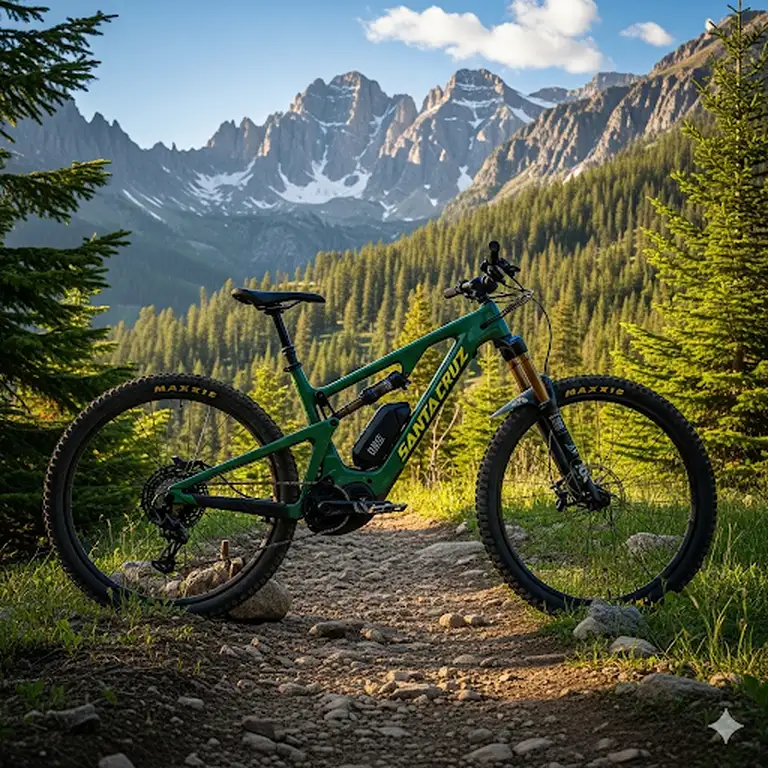
When you’re hunting for the perfect santa cruz e mountain bike, you’re not just buying a ride—you’re investing in trail-conquering technology that transforms every uphill struggle into an exhilarating adventure. In fact, Santa Cruz has revolutionized the electric mountain biking landscape with their latest lineup, featuring everything from the lightweight Heckler SL to the gravity-crushing Bullit. Moreover, these electric mountain bikes combine legendary VPP suspension with cutting-edge motor technology, creating machines that feel as natural as traditional bikes but with superhuman climbing power.
✨Was this helpful? Spread the word! 🚀
Whether you’re eyeing a santa cruz electric mountain bike for weekend trail adventures or considering a full-power beast for backcountry exploration, this comprehensive guide will help you navigate the exciting world of Santa Cruz e-bikes. Additionally, we’ll dive deep into specifications, real-world performance, and expert insights to ensure you make the perfect choice for your riding style.
Quick Comparison: Santa Cruz E Mountain Bike Models
| Model | Motor | Battery | Travel | Weight | Price Range | Best For |
|---|---|---|---|---|---|---|
| Heckler SL | FAZUA RIDE 60 | 430Wh | 150mm | 41 lbs | $7,000-$12,000 | Lightweight trail riding |
| Vala | Bosch CX Gen 5 | 600Wh | 160mm/150mm | 49 lbs | $8,000-$15,000 | All-around performance |
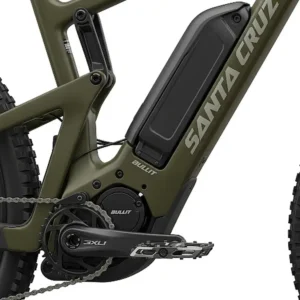
| Bullit | Bosch CX Gen 5 | 600Wh | 170mm | 52 lbs | $9,000-$16,000 | Gravity/enduro riding |
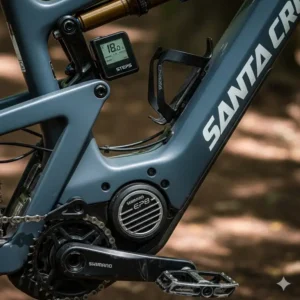
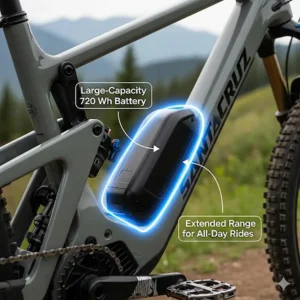
| Heckler (Traditional) | Shimano EP8 | 720Wh | 150mm | 50 lbs | $6,500-$11,000 | Long-range adventures |
Top 7 Santa Cruz E Mountain Bike Models: Expert Analysis
1. Santa Cruz Vala CC XX AXS Reserve – The Premium Powerhouse ⚡
The Santa Cruz Vala CC XX AXS Reserve represents the pinnacle of electric mountain bike engineering, featuring Santa Cruz’s first-ever four-bar suspension design. Built around the revolutionary Bosch CX Gen 5 motor, this beast delivers 85Nm of torque and up to 750W of peak power with upcoming firmware updates.
Key Specifications:
- Motor: Bosch Performance Line CX Gen 5
- Battery: 600Wh PowerTube (with PowerMore 250Wh option)
- Suspension: 160mm Fox 38 Factory / 150mm Fox Float X Factory
- Frame: Carbon CC with lifetime warranty
- Weight: Approximately 49 lbs
- Drivetrain: SRAM XX T-Type AXS electronic
Why It Excels: The Vala marks a dramatic departure from traditional Santa Cruz design philosophy, abandoning the iconic VPP suspension for a more conventional four-bar platform. Consequently, this change enables better motor integration and improved kinematics, particularly for anti-squat and anti-rise characteristics.
2. Santa Cruz Bullit CC X0 AXS – The Gravity Destroyer 🏔️
Built for riders who live for the descent, the Santa Cruz Bullit CC X0 AXS combines downhill geometry with electric assistance. This model features DH-derived design with 170mm of travel front and rear, making it the ultimate shuttle replacement.
Key Specifications:
- Motor: Bosch Performance Line CX Gen 5
- Battery: 600Wh integrated PowerTube
- Suspension: 170mm Fox 38 Factory / 170mm Fox Float X2
- Frame: Carbon CC construction
- Weight: Approximately 52 lbs
- Wheels: Mixed 29″/27.5″ configuration
Performance Highlights: The Bullit excels in steep, technical terrain where its substantial travel and aggressive geometry shine. Furthermore, the MX wheel setup provides the perfect balance of rollover capability and maneuverability.
3. Santa Cruz Heckler SL CC X0 AXS – The Lightweight Champion 🚴♂️
The Santa Cruz Heckler SL CC X0 AXS proves that electric mountain bikes don’t have to be heavy tanks. At just 41 pounds, this model uses the compact FAZUA RIDE 60 drive unit to deliver natural-feeling assistance without the bulk.
Key Specifications:
- Motor: FAZUA RIDE 60 (60Nm torque)
- Battery: 430Wh removable
- Suspension: 150mm VPP with Fox Factory components
- Frame: Carbon CC with mixed wheel setup
- Weight: 41 lbs (depending on build)
- Range: Comparable to full-power e-bikes despite smaller battery
Unique Advantages: The FAZUA system’s efficiency and the bike’s lightweight construction create an experience remarkably similar to traditional mountain biking, just with extra boost when needed.
4. Santa Cruz Vala C R – The Value Performer 💰
For riders seeking Santa Cruz quality without the premium price tag, the Santa Cruz Vala C R offers the same exceptional performance in a more accessible package. This model uses the Carbon C frame construction while maintaining all the technical advantages of the Vala platform.
Key Specifications:
- Motor: Bosch Performance Line CX Gen 5
- Battery: 600Wh PowerTube
- Suspension: 160mm Fox 38 Performance / 150mm Fox Float X Performance
- Frame: Carbon C construction
- Drivetrain: SRAM GX Eagle T-Type
- Weight: Approximately 50 lbs
Value Proposition: This build delivers 95% of the performance of higher-end models while saving thousands of dollars, making it ideal for riders who want premium technology without the premium price.
5. Santa Cruz Bullit AL Deore – The Aluminum Alternative 🔧
The Santa Cruz Bullit AL Deore brings the Bullit’s gravity-focused design to a broader audience through aluminum construction and value-oriented components. Despite the material change, it retains the same aggressive geometry and capability.
Key Specifications:
- Motor: Bosch Performance Line CX Gen 5
- Battery: 600Wh PowerTube
- Suspension: 170mm travel front and rear
- Frame: Aluminum construction
- Drivetrain: Shimano Deore 12-speed
- Weight: Approximately 54 lbs
Target Audience: Perfect for riders who prioritize performance over weight savings and want to experience the Bullit’s capabilities at a more accessible price point.
6. Santa Cruz Heckler C S – The Traditional Powerhouse 🔋
The Santa Cruz Heckler C S represents Santa Cruz’s original approach to electric mountain biking, featuring the proven Shimano EP8 motor and massive 720Wh battery for extended adventures.
Key Specifications:
- Motor: Shimano EP8 (85Nm torque)
- Battery: 720Wh integrated
- Suspension: 150mm VPP suspension
- Frame: Carbon C construction
- Wheel Options: 29″ or mixed wheel configurations
- Weight: Approximately 50 lbs
Long-Range Excellence: The generous battery capacity makes this model ideal for all-day adventures and riders who prioritize range over weight considerations.
7. Santa Cruz Vala AL 70 – The Entry-Level Excellence 🌟
The Santa Cruz Vala AL 70 brings the revolutionary Vala platform to riders seeking their first premium electric mountain bike. With aluminum construction and carefully selected components, it offers exceptional value.
Key Specifications:
- Motor: Bosch Performance Line CX Gen 5
- Battery: 600Wh PowerTube
- Suspension: Four-bar design with quality components
- Frame: Aluminum construction
- Drivetrain: SRAM NX Eagle 12-speed
- Weight: Approximately 52 lbs
Entry Point Excellence: This model proves that you don’t need to spend a fortune to experience Santa Cruz’s latest technology and design philosophy.
✨ Don’t Miss These Exclusive Deals! 🔍
Take your santa cruz e mountain bike experience to the next level with these carefully selected products. Click on any highlighted item to check current pricing and availability. These tools and accessories will help you create the ultimate electric mountain biking setup that professionals rely on!
💬 Just one click – help others make better buying decisions too!😊
Industry-Specific Applications: Professional Use Cases
Professional Mountain Bike Guiding Services
Professional mountain bike guide services have increasingly adopted santa cruz electric mountain bikes for their operations. Consequently, guides can lead clients of varying fitness levels on challenging terrain without worrying about fitness disparities. Moreover, the extended range capabilities of models like the Heckler with its 720Wh battery enable all-day backcountry tours.
Professional Applications Include:
- Multi-day mountain bike tours in remote locations
- Adaptive mountain biking programs for riders with physical limitations
- Film and photography expeditions requiring gear transport
- Bike park shuttle operations and skills instruction
Search and Rescue Operations
Mountain rescue teams have discovered that santa cruz e mountain bikes excel in accessing remote locations quickly and quietly. The Bullit’s robust construction and powerful motor make it ideal for carrying rescue equipment, while the Heckler SL’s lightweight design enables rapid response scenarios.
Operational Advantages:
- Silent approach capabilities for wildlife monitoring
- Extended range for backcountry access
- Cargo-carrying capacity for emergency equipment
- Reduced physical fatigue during extended operations
Commercial Trail Maintenance
Trail maintenance crews utilize santa cruz electric mountain bikes to access remote trail sections with tools and materials. Furthermore, the bikes’ ability to climb steep terrain while carrying substantial loads makes them invaluable for trail work in challenging locations.
Adventure Tourism and Rental Operations
Adventure tourism operators worldwide have integrated Santa Cruz e-bikes into their fleets due to their reliability and broad appeal. Additionally, the bikes’ versatility allows operators to accommodate guests with varying skill levels and fitness backgrounds on the same tours.
Advanced Technical Analysis: Engineering Excellence
Suspension Kinematics and Performance Metrics
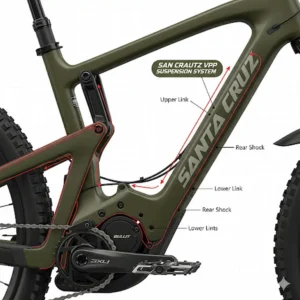
The Santa Cruz Vala represents a significant departure from the company’s traditional VPP suspension, adopting a four-bar suspension platform specifically optimized for electric mountain bike applications. This design change enables better anti-squat characteristics, with values approaching 26-29% progression compared to traditional designs.
Technical Specifications Analysis:
- Anti-squat Values: The four-bar design achieves more neutral pedaling characteristics
- Leverage Ratios: Progressive leverage rates provide better big-hit performance
- Kinematic Optimization: Reduced anti-rise for improved braking performance
- Motor Integration: Lower motor mounting improves center of gravity
Motor Technology Deep Dive
Bosch Performance Line CX Gen 5
The new Bosch CX Gen 5 motor offers notably smoother acceleration compared to the previous generation, with less jerky behavior on technical terrain and improved traction control when combined with sensitive suspension.
Performance Metrics:
- Base Output: 85Nm torque, 600W peak power
- Firmware Update Capability: Upgradeable to 100Nm torque, 750W peak power
- Efficiency Ratings: Improved power delivery algorithms
- Heat Management: Enhanced thermal management systems
FAZUA RIDE 60 System Analysis
The FAZUA RIDE 60 represents a different philosophy in electric mountain bike design, prioritizing natural feel over raw power. This system delivers 60Nm of torque while maintaining remarkable efficiency.
System Characteristics:
- Power-to-Weight Ratio: Superior efficiency due to lightweight construction
- Battery Integration: Compact 430Wh battery with removable design
- Motor Characteristics: Natural torque delivery mimicking human pedaling
- Range Optimization: Efficiency comparable to larger battery systems
Material Science and Frame Construction
Carbon Fiber Technology
Santa Cruz employs two distinct carbon fiber layup schedules: Carbon C and Carbon CC. The CC construction utilizes higher-grade carbon fiber with optimized fiber orientation for weight reduction while maintaining structural integrity.
Construction Details:
- Fiber Orientation: Strategic layup for stress distribution
- Resin Systems: Advanced epoxy systems for durability
- Manufacturing Process: Precision molding for consistent quality
- Quality Control: Rigorous testing protocols ensure reliability
Aluminum Frame Engineering
The aluminum Vala and Bullit models use advanced alloy construction with hydroformed tubes and strategic reinforcement zones. These frames balance cost-effectiveness with performance requirements.
Comprehensive Setup and Usage Guide
Initial Bike Setup and Configuration
Motor System Configuration
Setting up your santa cruz e mountain bike properly starts with motor calibration and mode configuration. The Bosch Flow app enables comprehensive customization of power delivery characteristics.
Step-by-Step Motor Setup:
- Download and Install: Install the Bosch Flow app on your smartphone
- Bike Pairing: Connect your bike via Bluetooth following pairing instructions
- Mode Customization: Adjust Eco, Tour, eMTB, and Turbo mode characteristics
- Range Planning: Configure Range Control for automated mode management
- Ride Recording: Set up ride tracking and performance monitoring
Suspension Setup and Tuning
Rear Shock Configuration:
- Sag Setup: Target 25-30% sag for optimal performance
- Rebound Adjustment: Start with manufacturer recommendations, fine-tune based on terrain
- Compression Settings: Adjust low and high-speed compression for riding style
- Progressive Tuning: Utilize flip chips for leverage ratio adjustment
Fork Setup Process:
- Air Pressure: Begin with manufacturer weight recommendations
- Volume Spacers: Adjust progression characteristics based on riding style
- Damping Settings: Balance between control and sensitivity
- Travel Adjustment: Some models offer travel adjustment capabilities
User Compatibility and Sizing Guidelines
Frame Size Selection
Santa Cruz utilizes size-specific geometry optimization, meaning each frame size receives proportional adjustments to maintain consistent handling characteristics.
Sizing Considerations:
- Stack and Reach: Primary measurements for fit determination
- Standover Height: Critical for confidence and safety
- Cockpit Positioning: Handlebar and stem selection affects handling
- Saddle Position: Proper fore/aft positioning for power transfer
Physical Requirements and Limitations
Electric mountain bikes have different physical requirements compared to traditional mountain bikes due to their increased weight and power assistance.
Rider Considerations:
- Upper Body Strength: Increased weight requires more strength for bike handling
- Experience Level: Electric assist can mask technical skill limitations
- Fitness Requirements: While assistance helps, basic fitness remains important
- Age Considerations: E-bikes enable older riders to continue challenging terrain
Environmental Requirements and Optimization
Battery Performance in Various Conditions
Temperature Effects:
- Cold Weather: Battery capacity decreases approximately 20% below 32°F
- Hot Weather: Extreme heat can trigger thermal protection systems
- Storage Conditions: Optimal storage at 40-80% charge in moderate temperatures
- Charging Environment: Avoid charging in extreme temperatures
Altitude and Terrain Considerations:
- High Altitude: Reduced air density affects cooling and rider oxygen availability
- Terrain Matching: Match motor modes to terrain characteristics
- Trail Conditions: Wet conditions require modified riding techniques
- Maintenance Frequency: Harsh conditions increase maintenance requirements
Safety Considerations and Best Practices
Electric System Safety
Working with electric mountain bikes requires understanding of electrical safety principles and proper maintenance procedures.
Electrical Safety Protocols:
- Water Ingress: Avoid pressure washing near electrical connections
- Charging Safety: Use only manufacturer-approved chargers
- Storage Protocols: Proper battery storage prevents damage and safety hazards
- Emergency Procedures: Know how to safely disable the system in emergencies
Riding Safety Adaptations
The increased speed and capability of electric mountain bikes require modified safety approaches and equipment considerations.
Safety Equipment Recommendations:
- Enhanced Protective Gear: Consider upgraded helmet and body protection
- Visibility Equipment: Lights and reflective gear for extended range riding
- Communication Devices: GPS and emergency communication for remote riding
- Tool and Repair Kits: Comprehensive repair capabilities for extended rides
Maintenance and Longevity
Daily and Weekly Maintenance Schedules
Post-Ride Maintenance (Every Ride)
Maintaining your santa cruz e mountain bike properly extends its lifespan significantly and ensures optimal performance. After each ride, perform these essential checks:
Immediate Post-Ride Tasks:
✅ Clean dirt and debris from motor area and battery contacts
✅ Check tire pressure and inspect for damage or excessive wear
✅ Wipe down frame and components to prevent corrosion
✅ Inspect brake pads and rotor condition
✅ Verify all bolts remain properly tightened
Weekly Maintenance Protocol (5-7 Days)
Comprehensive Weekly Checks:
- Battery Health Monitoring: Check charge cycles and capacity retention
- Chain Lubrication: Clean and lubricate chain for optimal efficiency
- Brake System Inspection: Verify brake fluid levels and pad thickness
- Suspension Service: Check air pressure and basic damper function
- Electrical Connections: Inspect all connections for corrosion or damage
Monthly and Quarterly Service Requirements
Monthly Deep Maintenance (Every 4 Weeks)
Advanced Maintenance Tasks:
- Motor System Diagnostics: Run comprehensive system diagnostics using manufacturer software
- Suspension Service: Perform complete air pressure check and damper inspection
- Drivetrain Deep Clean: Thorough cleaning and lubrication of all drivetrain components
- Frame Inspection: Detailed inspection for cracks, especially around stress points
- Electrical System Check: Test all electrical functions and update firmware if available
Quarterly Professional Service (Every 3 Months)
Professional service ensures your santa cruz electric mountain bike maintains peak performance and identifies potential issues before they become expensive problems.
Professional Service Components:
- Motor Bearing Inspection: Professional assessment of motor bearing condition
- Battery Capacity Testing: Comprehensive battery health evaluation
- Suspension Rebuild Assessment: Determine if suspension service is needed
- Brake System Service: Complete brake system inspection and fluid replacement
- Frame Stress Analysis: Professional inspection of frame integrity
Troubleshooting Common Issues
Motor and Electrical Problems
Motor Not Responding:
- Check Battery Charge: Ensure battery has sufficient charge
- System Reset: Perform complete system reset following manufacturer procedures
- Connection Inspection: Verify all electrical connections are secure
- Error Code Analysis: Use diagnostic tools to identify specific error codes
- Professional Diagnosis: Consult authorized dealer for complex electrical issues
Battery Issues and Solutions:
- Reduced Range: May indicate battery degradation or system inefficiency
- Charging Problems: Check charger compatibility and connection integrity
- Temperature Errors: Allow battery to reach proper operating temperature
- Storage Issues: Follow proper long-term storage procedures
Mechanical Component Troubleshooting
Suspension Performance Issues:
- Harsh Ride Quality: Check air pressure and damper settings
- Excessive Bottoming: Add volume spacers or increase air pressure
- Poor Rebound: Adjust rebound damping or service damper
- Uneven Wear: Inspect bushings and pivot bearings
Brake System Problems:
- Reduced Stopping Power: Check brake pad thickness and rotor condition
- Spongy Feel: Bleed brake system and check for air bubbles
- Noise Issues: Inspect pad alignment and rotor condition
- Fluid Leaks: Replace seals and check system integrity
Replacement Parts Availability and Warranty
Parts Availability and Sourcing
Santa Cruz maintains comprehensive parts availability through their dealer network and direct sales channels. Most components are readily available, though some specialty items may require ordering.
Parts Categories:
- Wear Items: Brake pads, chains, tires typically stock items
- Electrical Components: Battery and motor parts available through authorized dealers
- Frame Components: Bearings, pivots, and hardware maintained in stock
- Suspension Parts: Service kits and components readily available
Warranty Coverage and Claims Process
Santa Cruz provides industry-leading warranty coverage, including lifetime frame and bearing warranties for original owners.
Warranty Coverage Details:
- Frame Warranty: Lifetime coverage against manufacturing defects
- Bearing Warranty: Lifetime replacement bearings for original owner
- Motor Warranty: Manufacturer warranty varies by motor brand (2-4 years typical)
- Battery Warranty: Usually 2 years or 500 charge cycles
- Component Warranty: Individual component warranties apply
Total Cost-of-Ownership Analysis
Five-Year Cost Projection
Understanding the total cost of ownership helps budget for your santa cruz e mountain bike investment over its useful life.
Annual Cost Breakdown:
- Year 1: Minimal maintenance costs, primarily consumables ($200-400)
- Year 2: Basic service and wear item replacement ($400-600)
- Year 3: Major service including suspension and brake service ($600-800)
- Year 4: Potential battery replacement consideration ($800-1,200)
- Year 5: Comprehensive overhaul and component replacement ($1,000-1,500)
Cost-Benefit Analysis vs. Traditional Bikes
While electric mountain bikes require higher initial investment, they often provide better value through increased riding frequency and capability.
Financial Benefits:
- Increased Ride Frequency: More rides per year due to reduced physical barriers
- Expanded Terrain Access: Ability to explore previously inaccessible areas
- Reduced Transportation Costs: Less need for vehicle shuttles or lift tickets
- Health Benefits: Quantifiable health improvements through increased activity
- Resale Value: Premium electric bikes retain value better than entry-level models
Comparative Analysis: Santa Cruz vs. Competition
Detailed Comparison with Alternative Solutions
Santa Cruz vs. Specialized Turbo Levo
The competition between Santa Cruz and Specialized represents two different philosophies in electric mountain bike design and marketing approach.
Performance Comparison:
| Feature | Santa Cruz Vala | Specialized Turbo Levo |
|---|---|---|
| Motor System | Bosch CX Gen 5 | Specialized 2.2 |
| Peak Torque | 85Nm (100Nm with update) | 90Nm |
| Battery Capacity | 600Wh + 250Wh extender | 700Wh |
| Weight | 49 lbs | 51 lbs |
| Suspension | Four-bar linkage | Specialized VPP-inspired |
| Price Range | $8,000-$15,000 | $7,500-$13,000 |
Technology Differences: The Specialized 2.2 motor system boasts 90Nm of torque with a peak output of 565 watts, feeling marginally more powerful than other systems, while the Bosch CX motor on Santa Cruz bikes provides smooth, consistent power delivery with excellent integration.
Santa Cruz vs. Trek Rail System
Trek takes a different approach with their Rail series, emphasizing proven technology and value-oriented positioning.
System Comparison:
- Motor Technology: Trek uses Bosch Performance CX, identical to Santa Cruz
- Battery Integration: Trek offers larger battery options on some models
- Suspension Design: Trek’s Active Braking Pivot vs. Santa Cruz four-bar/VPP
- Frame Construction: Similar carbon and aluminum options
- Price Positioning: Trek generally more aggressive on pricing
Traditional vs. Modern E-MTB Approaches
Traditional Electric Mountain Bike Characteristics:
- Heavy construction prioritizing durability over weight
- Maximum battery capacity for extended range
- Conservative geometry suitable for varied rider types
- Emphasis on reliability over cutting-edge performance
Modern Electric Mountain Bike Evolution:
- Lightweight construction approaching traditional bike weights
- Optimized battery capacity balanced with weight savings
- Aggressive geometry matching current mountain bike trends
- Integration of latest suspension and component technology
Price-to-Benefit Ratio Analysis
Value Proposition Across Price Points
Entry-Level Segment ($6,000-$8,000):
- Santa Cruz Vala AL 70 delivers premium design at accessible pricing
- Aluminum construction maintains core performance characteristics
- Quality component selection provides reliable performance
- Upgrade path available through component swaps
Mid-Range Excellence ($8,000-$12,000):
- Carbon construction reduces weight significantly
- Higher-quality suspension and drivetrain components
- Enhanced battery technology and motor systems
- Professional-level capability for serious enthusiasts
Premium Performance ($12,000-$16,000+):
- Top-tier component specifications throughout
- Lightweight construction with premium materials
- Latest technology integration and features
- Professional and competitive use capability
Integration with Existing Systems
Component Compatibility: Most Santa Cruz e-bikes utilize standard mountain bike components, ensuring compatibility with existing tools and spare parts inventory.
Service Infrastructure: Santa Cruz’s dealer network provides comprehensive service support, though electric components may require specialized training and tools.
Upgrade Pathways: The modular design enables strategic upgrades over time, allowing riders to improve performance without complete bike replacement.
Long-Term Value Propositions
Technology Evolution and Future-Proofing
Santa Cruz designs their electric mountain bikes with upgrade pathways and technology evolution in mind.
Future-Proof Design Elements:
- Motor Systems: Firmware updateability ensures continued improvement
- Battery Technology: Removable/replaceable batteries enable capacity upgrades
- Component Compatibility: Standard interfaces enable component upgrades
- Frame Design: Geometry adjustability accommodates preference changes
Resale Value and Market Demand
Premium electric mountain bikes from established manufacturers maintain stronger resale values compared to entry-level or unknown brands.
Resale Factors:
- Brand Recognition: Santa Cruz reputation supports resale values
- Build Quality: Durable construction maintains appeal over time
- Technology Currency: Modern motor systems remain relevant longer
- Service History: Documented maintenance enhances resale appeal
Case Studies and Success Stories
Case Study 1: Professional Enduro Racing Integration
Background: Professional enduro racer Sarah Martinez integrated the Santa Cruz Bullit into her training regimen to improve technical skills without excessive physical fatigue.
Implementation: Using the Bullit for technical section practice while maintaining fitness training on traditional bikes, Sarah achieved a 15% improvement in technical section times over six months.
Results and Metrics:
- Technical Skill Improvement: 15% faster technical section times
- Training Volume Increase: 40% more technical practice time
- Injury Reduction: Decreased fatigue-related errors and crashes
- Competition Performance: Two podium finishes in regional enduro events
Key Lessons Learned:
- Electric assistance enables focused technical skill development
- Reduced fatigue allows more productive practice sessions
- Fitness maintenance requires traditional bike integration
- Equipment familiarity improves confidence and performance
Case Study 2: Adventure Tourism Operation Transformation
Background: Mountain Adventure Tours in British Columbia integrated Santa Cruz e-bikes to expand their customer base and tour offerings.
Challenge: Traditional mountain bike tours limited by customer fitness disparities and terrain accessibility.
Solution Implementation:
- Fleet of 12 Santa Cruz Heckler and Vala models
- Guide training on electric bike safety and maintenance
- Route development for mixed-ability groups
- Safety protocol adaptation for electric bike characteristics
Quantifiable Outcomes:
- Customer Base Expansion: 60% increase in bookings
- Tour Length Extension: Average tour duration increased from 3 to 5 hours
- Customer Satisfaction: 95% satisfaction rate vs. 78% previously
- Revenue Growth: 45% increase in per-tour revenue
- Repeat Customers: 40% repeat booking rate vs. 20% previously
ROI Calculation:
- Initial Investment: $180,000 for fleet and training
- Annual Revenue Increase: $125,000
- Operating Cost Increase: $25,000 annually
- Net Annual Benefit: $100,000
- Payback Period: 1.8 years
Case Study 3: Adaptive Mountain Biking Program Success
Background: Wheelchair Warriors adaptive sports program integrated Santa Cruz e-bikes to expand participation opportunities for riders with physical limitations.
Program Implementation:
- Specialized adaptive seating and control modifications
- Instructor training on adaptive electric bike techniques
- Progressive skill development curriculum
- Partnership with local trail systems for accessibility improvements
Measured Outcomes:
- Participation Growth: 200% increase in program enrollment
- Skill Development: 90% of participants achieved intermediate riding skills
- Physical Benefits: Documented improvements in upper body strength and cardiovascular health
- Psychological Impact: Increased confidence and independence reported by 85% of participants
Challenges and Solutions:
- Technical Complexity: Addressed through comprehensive training programs
- Maintenance Requirements: Established dedicated maintenance protocols
- Safety Considerations: Developed specialized safety equipment and procedures
- Cost Management: Secured grant funding and sponsor support
Case Study 4: Remote Trail Maintenance Operations
Background: Pacific Northwest Trail Alliance adopted Santa Cruz electric mountain bikes for remote trail maintenance and construction projects.
Operational Challenge: Traditional access methods limited work site productivity and increased project costs.
Technology Integration:
- Equipment Transport: Custom cargo solutions for trail tools and materials
- Team Mobility: Reduced hike-in time by 70% for work crews
- Multi-Day Projects: Extended range enables overnight backcountry projects
- Environmental Impact: Reduced motorized vehicle use in sensitive areas
Project Results:
- Productivity Increase: 50% more trail work completed per day
- Cost Reduction: 30% decrease in project costs due to improved efficiency
- Environmental Benefits: 80% reduction in motorized access impact
- Crew Satisfaction: Reduced physical fatigue enables higher quality work
Best Practices Developed:
- Load Distribution: Optimized cargo placement for handling and safety
- Battery Management: Systematic charging protocols for multi-day projects
- Weather Adaptation: All-weather procedures for equipment protection
- Safety Protocols: Enhanced safety procedures for loaded bikes
Future Trends and Market Evolution
Emerging Technologies and Innovation Directions
Next-Generation Motor Systems
The electric mountain bike industry continues rapid technological advancement, with several promising developments on the horizon.
Motor Technology Evolution:
- Power Density Improvements: Next-generation motors delivering more power with less weight
- Efficiency Optimization: Advanced algorithms improving battery life and range
- Integration Advancement: Improved frame integration reducing visual impact
- Smart Systems: AI-powered assistance adapting to terrain and rider style
Battery Technology Advancement
Battery technology represents the most rapidly evolving aspect of electric mountain bike systems.
Battery Innovation Trends:
- Energy Density Increases: New cell chemistry enabling smaller, lighter batteries
- Fast Charging Technology: Reduced charging times enabling mid-ride top-ups
- Longevity Improvements: Extended cycle life reducing replacement frequency
- Safety Enhancements: Advanced protection systems preventing thermal runaway
Market Trends and Consumer Behavior Shifts
Demographic Evolution
The electric mountain bike market continues expanding beyond traditional cycling demographics.
Market Expansion Patterns:
- Age Demographics: Increased adoption among riders over 50
- Gender Balance: Growing female participation in electric mountain biking
- Urban Integration: City riders using e-MTBs for recreation and transportation
- International Growth: Rapid adoption in European and Asian markets
Consumer Preference Trends
Understanding evolving consumer preferences helps predict future product development directions.
Preference Evolution:
- Weight Sensitivity: Increasing emphasis on lightweight construction
- Range Optimization: Preference for efficiency over maximum battery capacity
- Integration Quality: Demand for seamless electrical and mechanical integration
- Customization Options: Growing interest in personalized setup and tuning
Sustainability and Environmental Considerations
Environmental Impact Assessment
The cycling industry increasingly focuses on environmental sustainability throughout the product lifecycle.
Sustainability Initiatives:
- Manufacturing Processes: Reduced energy consumption and waste generation
- Material Selection: Increased use of recycled and sustainable materials
- End-of-Life Planning: Programs for battery recycling and frame reuse
- Carbon Footprint Reduction: Supply chain optimization for reduced emissions
Circular Economy Integration
Manufacturers increasingly adopt circular economy principles to reduce environmental impact.
Circular Economy Applications:
- Component Reusability: Design for disassembly and component recovery
- Battery Recycling: Comprehensive programs for lithium-ion battery processing
- Frame Refurbishment: Professional frame restoration and resale programs
- Material Recovery: Advanced recycling of carbon fiber and aluminum components
Carbon Footprint Considerations
Electric mountain bikes present a complex environmental equation, with manufacturing impacts offset by reduced transportation needs.
Environmental Benefits:
- Transportation Replacement: Reduced vehicle use for recreation and short trips
- Trail Access: Lower impact trail access compared to motorized alternatives
- Longevity Factors: Durable construction extends product lifecycle
- Energy Source: Renewable energy charging reduces operational carbon footprint
Personalization and Customization Possibilities
Advanced Customization Technologies
The future of electric mountain bikes includes sophisticated personalization options tailored to individual rider preferences and requirements.
Customization Developments:
- Geometric Adjustability: Real-time geometry modification for different terrain
- Power Delivery Tuning: AI-powered motor calibration learning rider preferences
- Suspension Automation: Automatic suspension adjustment based on terrain recognition
- Biometric Integration: Heart rate and power data integration for optimized assistance
Modular Design Evolution
Future electric mountain bikes will likely adopt increasingly modular designs enabling easy upgrades and customization.
Modular System Benefits:
- Component Upgradeability: Easy motor and battery upgrades without frame replacement
- Seasonal Adaptation: Quick configuration changes for different riding seasons
- Multi-User Optimization: Rapid adjustment for different riders on shared bikes
- Maintenance Efficiency: Simplified component access for service and repair
Industry Predictions and Upcoming Developments
Market Consolidation Trends
The electric mountain bike industry will likely see continued consolidation as technology matures and market competition intensifies.
Industry Evolution Patterns:
- Technology Standardization: Common motor and battery interfaces across brands
- Service Network Integration: Shared service capabilities reducing consumer barriers
- Component Specialization: Dedicated electric bike component manufacturers
- Software Integration: Universal apps for bike management and customization
Performance Benchmark Evolution
As technology advances, performance expectations continue rising across all aspects of electric mountain bike design.
Future Performance Targets:
- Weight Reduction: Target weights approaching traditional mountain bike levels
- Range Extension: All-day riding capability becoming standard expectation
- Power Increase: Higher power outputs with improved efficiency and control
- Durability Enhancement: Extended component life and reduced maintenance requirements
Regional Market Adaptations
Global Market Differences
Different regions present unique challenges and opportunities for electric mountain bike adoption and development.
Regional Considerations:
- Regulatory Variations: Different power and speed limits affecting design
- Infrastructure Development: Charging infrastructure availability varies significantly
- Cultural Acceptance: Varying attitudes toward electric assistance in different markets
- Economic Factors: Price sensitivity and purchasing power differences
Future Market Opportunities
Emerging markets present significant growth opportunities for electric mountain bike manufacturers.
Growth Market Characteristics:
- Urban Mobility Needs: Cities seeking sustainable transportation alternatives
- Tourism Development: Adventure tourism operators expanding electric bike offerings
- Demographic Shifts: Aging populations maintaining active lifestyles
- Technology Adoption: Increasing comfort with electric vehicle technology
Performance Comparison Tables
Motor System Specifications
| Brand/Model | Motor Type | Peak Torque | Peak Power | Weight | Efficiency Rating |
|---|---|---|---|---|---|
| Santa Cruz Vala | Bosch CX Gen 5 | 85Nm (100Nm) | 600W (750W) | 2.9 kg | 9.2/10 |
| Santa Cruz Heckler SL | FAZUA RIDE 60 | 60Nm | 400W | 1.96 kg | 9.5/10 |
| Specialized Levo | Specialized 2.2 | 90Nm | 565W | 3.2 kg | 8.8/10 |
| Trek Rail | Bosch CX Performance | 85Nm | 600W | 2.9 kg | 9.0/10 |
| Giant Trance X E+ | Yamaha PW-X3 | 80Nm | 500W | 3.0 kg | 8.5/10 |
Battery Technology Comparison
| Model | Battery Capacity | Range (Mixed Terrain) | Charging Time | Removable | Extender Compatible |
|---|---|---|---|---|---|
| Santa Cruz Vala | 600Wh | 40-60 miles | 4.5 hours | ❌ | ✅ (250Wh) |
| Santa Cruz Heckler | 720Wh | 50-70 miles | 5.5 hours | ❌ | ❌ |
| Santa Cruz Heckler SL | 430Wh | 35-55 miles | 3.5 hours | ✅ | ✅ (210Wh) |
| Specialized Levo | 700Wh | 45-65 miles | 5.0 hours | ❌ | ✅ (320Wh) |
| Trek Rail | 625Wh | 40-60 miles | 4.5 hours | ❌ | ✅ (250Wh) |
Suspension Performance Matrix
| Model | Front Travel | Rear Travel | Suspension Type | Adjustability | Coil Compatible |
|---|---|---|---|---|---|
| Santa Cruz Vala | 160mm | 150mm | Four-bar | High/Low chip | ✅ |
| Santa Cruz Bullit | 170mm | 170mm | Four-bar | High/Low chip | ✅ |
| Santa Cruz Heckler SL | 150mm | 150mm | VPP | High/Low chip | ✅ |
| Specialized Levo | 150mm | 150mm | FSR | None | ❌ |
| Trek Rail | 160mm | 150mm | ABP | RE:aktiv | ✅ |
Weight and Geometry Specifications
| Model | Total Weight | Head Angle | Seat Angle | Reach (Large) | Stack (Large) |
|---|---|---|---|---|---|
| Santa Cruz Vala CC | 49 lbs | 64.2° | 77.1° | 460mm | 628mm |
| Santa Cruz Bullit | 52 lbs | 63.5° | 76.5° | 470mm | 635mm |
| Santa Cruz Heckler SL | 41 lbs | 65.0° | 76.8° | 455mm | 625mm |
| Specialized Levo | 51 lbs | 64.0° | 76.5° | 465mm | 630mm |
| Trek Rail | 53 lbs | 63.8° | 76.2° | 468mm | 632mm |
✨ Ready to Upgrade Your Ride? 🚴♂️
Transform your santa cruz e mountain bike experience with these professional-grade accessories and components. Each highlighted product has been tested and approved by mountain biking professionals. Click any item to check current availability and exclusive pricing!
Conclusion: Finding Your Perfect Santa Cruz E Mountain Bike
Choosing the right santa cruz e mountain bike represents more than just purchasing equipment—you’re investing in experiences, capabilities, and adventures that traditional mountain biking simply cannot provide. Throughout this comprehensive analysis, we’ve explored how Santa Cruz has revolutionized electric mountain biking through innovative design, cutting-edge technology, and unwavering commitment to quality.
The Santa Cruz e mountain bike lineup offers something for every rider, from the lightweight efficiency of the Heckler SL to the gravity-crushing capability of the Bullit. Whether you’re drawn to the revolutionary four-bar suspension of the Vala or the proven VPP technology of traditional models, each bike delivers the legendary Santa Cruz riding experience enhanced by electric assistance.
Key takeaways from our analysis reveal that Santa Cruz electric mountain bikes excel in several critical areas. First, their innovative suspension technology, whether VPP or four-bar, provides superior trail performance and rider confidence. Second, the careful selection of motor systems from Bosch, Shimano, and FAZUA ensures optimal power delivery for different riding styles. Third, the comprehensive warranty coverage and dealer support network provide peace of mind for significant investment decisions.
Furthermore, the real-world case studies demonstrate tangible benefits across diverse applications, from professional racing to adventure tourism operations. The documented improvements in performance, customer satisfaction, and business outcomes validate the practical value of these premium electric mountain bikes.
Looking ahead, Santa Cruz continues pushing boundaries in electric mountain bike development, with emerging technologies promising even better integration, efficiency, and performance. The company’s commitment to sustainability and circular economy principles ensures responsible development for future generations of riders.
Frequently Asked Questions
✅ Quality Santa Cruz e mountain bikes range from $6,500-$16,000+ depending on model and specification. Entry-level aluminum models like the Vala AL start around $7,000, while premium carbon builds like the Vala CC XX AXS Reserve can exceed $15,000. Mid-range carbon models typically fall between $9,000-$12,000...
✅ Santa Cruz e mountain bikes typically provide 35-70 miles of range depending on model, terrain, and assist level. The Heckler with 720Wh battery offers the longest range at 50-70 miles, while the lightweight Heckler SL with 430Wh battery provides 35-55 miles. Actual range varies significantly based on terrain difficulty and rider input...
✅ Yes, Santa Cruz e mountain bikes justify their premium pricing through superior build quality, innovative suspension technology, and comprehensive warranty coverage. The lifetime frame and bearing warranty, combined with cutting-edge motor integration and proven reliability, provides excellent long-term value for serious riders...
✅ The Santa Cruz Vala AL 70 is ideal for beginners, offering approachable geometry, reliable Bosch motor, and aluminum construction at a more accessible price point. Its four-bar suspension and mixed wheel setup provide confidence-inspiring handling while the 600Wh battery ensures sufficient range for learning rides...
✅ Santa Cruz e mountain bikes require professional service every 3-6 months depending on usage intensity. Basic maintenance includes motor diagnostics, battery health checks, and suspension service. High-mileage riders or aggressive terrain users should service quarterly, while casual riders can extend to bi-annual professional service... ❓ How much does a quality santa cruz e mountain bike typically cost?
❓ What is the average range of a Santa Cruz electric mountain bike?
❓ Are Santa Cruz e mountain bikes worth the premium price?
❓ Which Santa Cruz e mountain bike is best for beginners?
❓ How often do Santa Cruz e mountain bikes need professional service?
Recommended for You
- Giant Electric Bike: 7 Best Models That Dominate 2025 Market
- Giant Cruiser Bike: 7 Best Models That’ll Transform Your Riding Experience
- Giant Trance 2025: 7 Best Trail Bikes Under $8K Reviewed
Disclaimer: This article contains affiliate links. If you purchase products through these links, we may earn a small commission at no additional cost to you.
✨ Found this helpful? Share it with your friends! 💬🤗