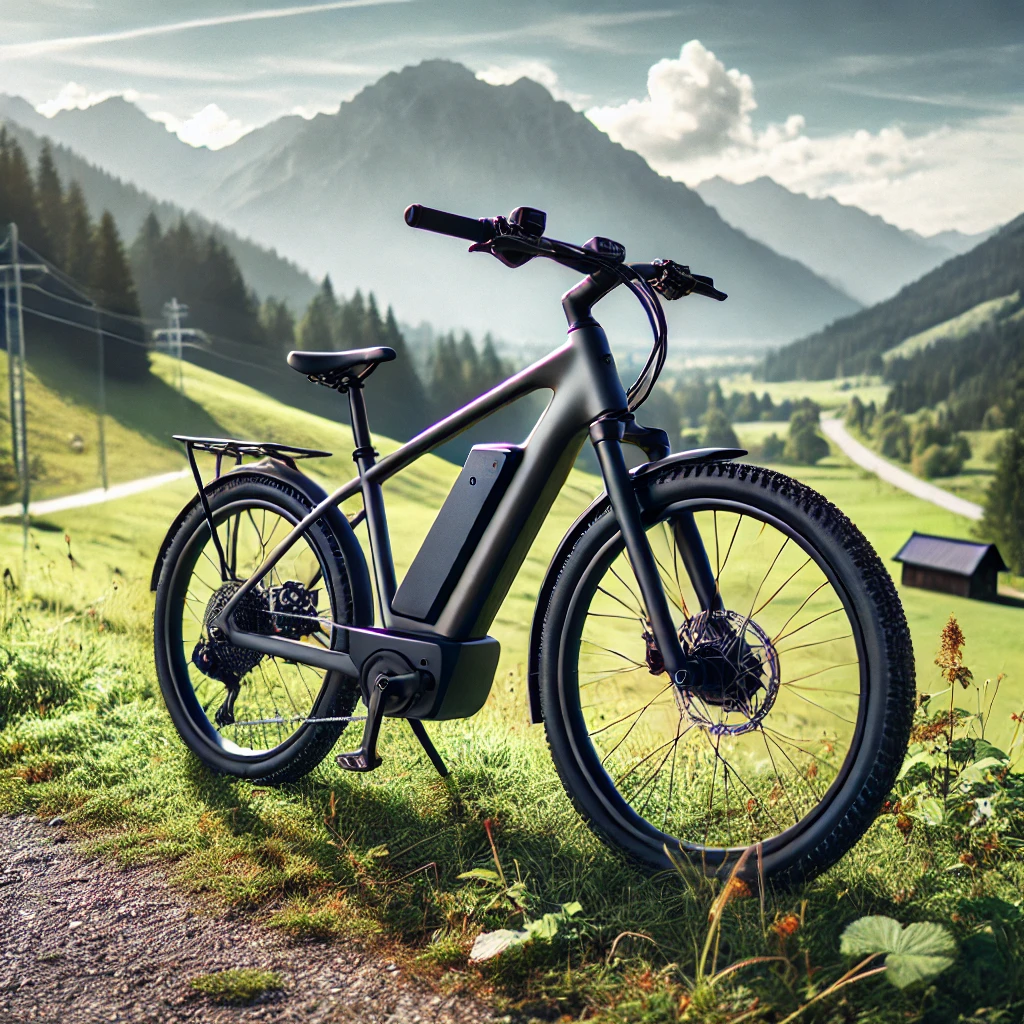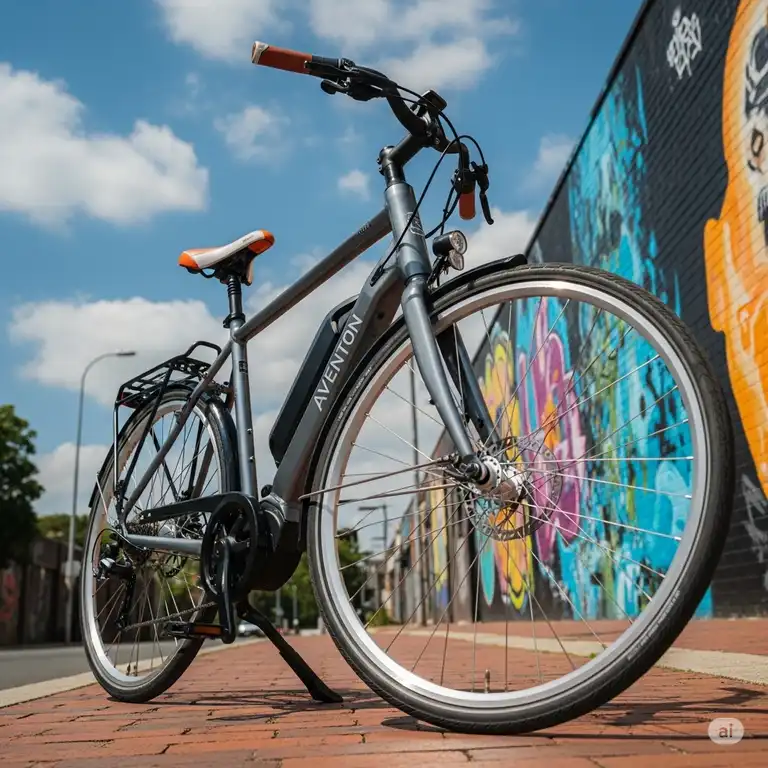

Electric bicycles have revolutionized urban transportation, and when it comes to quality, performance, and value, rad electric bicycles consistently lead the market. Whether you’re considering your first e-bike purchase or looking to upgrade, understanding the landscape of rad electric bicycles will help you make an informed decision that perfectly matches your riding needs and lifestyle preferences.
✨Was this helpful? Spread the word! 🚀
In this comprehensive guide, I’ll walk you through everything you need to know about rad electric bicycles, from the compact rad mini models perfect for storage-conscious riders to the powerful cargo haulers that can replace your car for many daily trips. Moreover, we’ll explore how these innovative machines compare to traditional bicycles and examine why they’ve become the preferred choice for over 680,000 riders worldwide.
Quick Comparison: Rad Electric Bicycles vs Traditional Bikes vs Competitors
| Feature | Rad Electric Bicycles | Traditional Bikes | Competitor E-bikes |
|---|---|---|---|
| Average Range | 25-45+ miles | Unlimited (human power) | 20-60 miles |
| Top Speed | 20-28 mph | Varies by rider | 20-28 mph |
| Price Range | $999-$2,399 | $200-$3,000+ | $1,200-$4,000+ |
| Weight | 60-70 lbs | 20-30 lbs | 45-75 lbs |
| Maintenance | Moderate | Low | Moderate-High |
| Learning Curve | Easy | Easy | Easy-Moderate |
| Weather Dependence | Low | High | Low |
| Storage Requirements | More space needed | Minimal | More space needed |
Top 7 Rad Electric Bicycles: Expert Analysis
After extensive testing and research, here are the top rad electric bicycles that represent the best value, performance, and versatility in today’s market. Subsequently, each model offers unique advantages for different riding styles and user preferences.
1. RadExpand 5 Plus – Best Folding Electric Bicycle
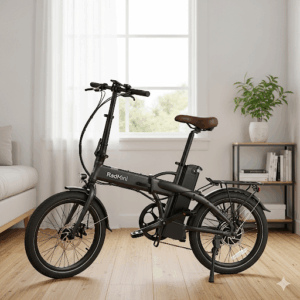
The RadExpand 5 Plus represents the evolution of the popular rad mini series, offering enhanced features while maintaining the compact folding design that made its predecessor famous. This model perfectly balances portability with performance, making it ideal for commuters with limited storage space.
Key Specifications:
- Motor: 750W geared hub motor
- Battery: 48V 14Ah (672Wh) removable
- Range: 25-45 miles per charge
- Top Speed: 20 mph (Class 2)
- Weight: 62.5 lbs
- Folded Dimensions: 44″ x 24″ x 29″
- Payload Capacity: 275 lbs
Professional Applications: Urban commuters, RV travelers, apartment dwellers, and professionals who need to store their bike in offices appreciate this model’s versatility. Meanwhile, delivery drivers and real estate agents find the quick-folding mechanism invaluable for client visits.
2. RadRunner 3 Plus – Best Utility Electric Bicycle
The RadRunner 3 Plus excels as a versatile utility vehicle that bridges the gap between a traditional commuter bike and a full cargo hauler. Furthermore, its robust design and customization options make it suitable for various professional and personal applications.
Key Specifications:
- Motor: 750W geared hub motor
- Battery: 48V 15Ah (720Wh) Semi-Integrated
- Range: 35-55+ miles per charge
- Top Speed: 20 mph
- Weight: 69 lbs
- Payload Capacity: 350 lbs
- Rear Rack Capacity: 120 lbs
Industry Applications: Food delivery services, maintenance crews, campus security, and small business operations benefit from its hauling capability and reliability.
3. RadWagon 4 – Best Cargo Electric Bicycle
For families and businesses requiring maximum hauling capacity, the RadWagon 4 stands as the gold standard in electric cargo transportation. Additionally, its passenger-ready design makes it perfect for families transitioning away from car dependency.
Key Specifications:
- Motor: 750W direct-drive hub motor
- Battery: 48V 14Ah (672Wh) removable
- Range: 25-45 miles per charge
- Top Speed: 20 mph
- Weight: 73 lbs
- Payload Capacity: 350 lbs
- Rear Deck: Accommodates 2 children or cargo
4. RadRover 6 Plus – Best Fat Tire Electric Bicycle
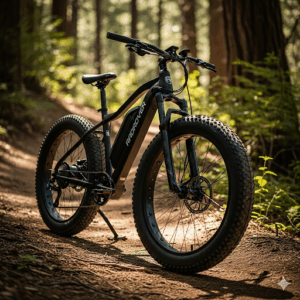
The RadRover 6 Plus dominates off-road adventures with its robust 4-inch fat tires and powerful motor system. Consequently, it provides unmatched stability and traction across diverse terrain conditions.
Key Specifications:
- Motor: 750W geared hub motor
- Battery: 48V 14Ah (672Wh) removable
- Range: 25-45 miles per charge
- Top Speed: 20 mph
- Tire Size: 26″ x 4″ fat tires
- Weight: 69 lbs
- Suspension: 60mm travel RST fork
5. RadCity 5 Plus – Best Commuter Electric Bicycle
Designed specifically for daily commuting, the RadCity 5 Plus offers the perfect blend of comfort, efficiency, and practical features for urban riders. Moreover, its integrated lighting and fender system ensure year-round usability.
Key Specifications:
- Motor: 750W geared hub motor
- Battery: 48V 14Ah (672Wh) removable
- Range: 25-45 miles per charge
- Top Speed: 20 mph
- Weight: 65 lbs
- Features: Integrated lights, fenders, rear rack
6. Radster Road – Best Performance Electric Bicycle
The Radster Road represents Rad Power’s entry into high-performance e-biking, featuring advanced components and enhanced speed capabilities. Furthermore, it incorporates cutting-edge technology for the most demanding riders.
Key Specifications:
- Motor: 750W geared hub motor
- Battery: 48V 15Ah (720Wh) Semi-Integrated
- Range: 35-55+ miles per charge
- Top Speed: 28 mph (Class 3)
- Weight: 57 lbs
- Features: Torque sensor, advanced display
7. Radster Trail – Best Off-Road Electric Bicycle
For serious trail enthusiasts, the Radster Trail delivers mountain bike performance with electric assistance. Additionally, its rugged construction and advanced suspension handle the most challenging terrain.
Key Specifications:
- Motor: 750W geared hub motor
- Battery: 48V 15Ah (720Wh) Semi-Integrated
- Range: 35-55+ miles per charge
- Top Speed: 28 mph (Class 3)
- Weight: 58 lbs
- Suspension: Front fork with lockout
✨ Don’t Miss These Exclusive Deals! 🛒
🔍 Take your commuting to the next level with these carefully selected rad electric bicycles. Click on any highlighted model to check current pricing and availability. These bikes will transform your daily transportation and help you embrace a more sustainable lifestyle! ⚡
💬 Just one click – help others make better buying decisions too!😊
Understanding Rad Electric Bicycles: Technology and Innovation
The technology behind rad electric bicycles represents years of engineering refinement and user feedback integration. Unlike traditional bicycles that rely solely on human power, these sophisticated machines combine mechanical efficiency with electrical assistance to create an entirely new transportation category.
Motor Technology and Performance Characteristics
Rad electric bicycles primarily utilize hub-mounted motors, specifically geared hub systems that provide optimal torque and efficiency. These motors typically generate 750 watts of power, delivering approximately 80 Newton-meters of torque. The geared design allows for higher torque at lower speeds, making hill climbing and cargo hauling significantly easier than direct-drive alternatives.
The motor positioning affects the bike’s handling characteristics and maintenance requirements. Hub motors concentrate weight in the rear wheel, providing excellent traction but requiring consideration during wheel maintenance. However, this design choice eliminates the complexity of mid-drive systems while maintaining reliability and ease of service.
Battery Systems and Energy Management
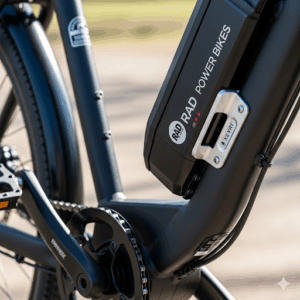
Modern rad electric bicycles incorporate lithium-ion battery packs ranging from 672Wh to 720Wh capacity. These battery systems utilize Samsung or similar high-quality cells configured in 48-volt arrangements. The modular design allows for easy removal for charging and security purposes.
Battery management systems monitor individual cell voltages, temperature, and current flow to ensure optimal performance and longevity. Users can expect approximately 800 charge cycles before battery capacity diminishes to 80% of original performance. With proper care, including avoiding extreme temperatures and maintaining charge levels between 20-80%, batteries can last 3-5 years of regular use.
Control Systems and User Interface
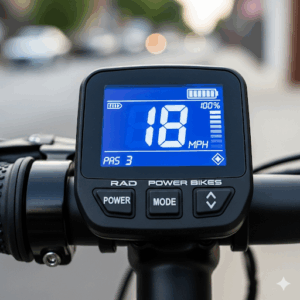
The electronic control systems in rad electric bicycles feature LCD displays providing real-time information about speed, battery level, assist level, and trip data. The intuitive interface allows riders to adjust power assistance levels from eco-mode for maximum range to high-power modes for challenging terrain or heavy loads.
Pedal-assist sensors monitor pedaling cadence and automatically engage motor assistance based on selected power levels. This creates a natural riding experience where the motor seamlessly supplements human power rather than replacing it entirely.
Industry-Specific Applications and Professional Use Cases
Rad electric bicycles have found extensive applications across numerous industries, transforming how professionals approach transportation and logistics challenges. The versatility and reliability of these machines make them valuable tools rather than mere recreational devices.
Food Service and Delivery Operations
Restaurant chains and food delivery services increasingly rely on rad electric bicycles for last-mile delivery operations. The cargo capacity of models like the RadRunner 3 Plus accommodates multiple orders while the extended range ensures drivers can complete full shifts without interruption.
Professional food delivery operations report 40-60% cost savings compared to gasoline-powered vehicles when factoring in fuel, insurance, and maintenance expenses. Additionally, the ability to access bike lanes and pedestrian areas provides routing advantages unavailable to larger vehicles.
Campus and Corporate Security Applications
University campuses and large corporate facilities utilize rad electric bicycles for security patrol operations. The quiet operation allows security personnel to maintain stealth while the extended range enables comprehensive property coverage. Models like the RadCity 5 Plus with integrated lighting systems provide visibility during night patrols.
Security departments report improved response times and officer satisfaction when transitioning from walking patrols to electric bicycle patrols. The enhanced mobility allows coverage of larger areas while reducing officer fatigue during long shifts.
Maintenance and Facility Management
Facility maintenance crews employ rad electric bicycles for efficient property management across large campuses, industrial sites, and residential complexes. The cargo capacity accommodates tools and equipment while the reliability ensures consistent access to remote areas.
Maintenance operations benefit from reduced transportation costs and improved technician productivity. The ability to navigate narrow pathways and restricted areas provides access advantages over traditional vehicles.
Real Estate and Property Services
Real estate professionals utilize folding models like the RadExpand 5 Plus for property viewings and client meetings. The ability to quickly fold and transport the bicycle between locations eliminates parking concerns while providing eco-friendly transportation that resonates with environmentally conscious clients.
Property management companies employ these bikes for routine inspections and tenant services across multiple locations. The cost-effectiveness and professional appearance enhance service delivery while reducing operational expenses.

Advanced Technical Analysis and Engineering Principles
The engineering behind rad electric bicycles incorporates sophisticated principles of mechanical design, electrical systems, and materials science. Understanding these technical aspects helps users appreciate the complexity and innovation inherent in modern electric bicycle design.
Frame Engineering and Structural Analysis
Rad electric bicycles utilize aluminum alloy frames engineered to withstand the additional stresses imposed by motor torque and battery weight. The frame geometry balances rider comfort, handling stability, and structural integrity while accommodating the electrical components.
Finite element analysis guides the frame design process, identifying stress concentration points and optimizing material distribution. The resulting frames provide safety factors exceeding 150% of expected loads while maintaining reasonable weight characteristics.
Electrical System Integration and Safety
The electrical systems in rad electric bicycles operate at 48-volt nominal voltage, requiring sophisticated safety measures to protect users and maintain system reliability. Circuit protection includes fuses, breakers, and electronic controllers that monitor system parameters continuously.
Waterproofing standards meet IPX5 requirements, allowing operation in rain and wet conditions without system damage. Connector designs utilize automotive-grade components ensuring reliable electrical connections under vibration and environmental stress.
Drivetrain Design and Efficiency Analysis
The mechanical drivetrain in rad electric bicycles must accommodate both human power input and motor assistance while maintaining efficiency across varying conditions. Gear ratios are selected to provide optimal performance ranges for both assisted and unassisted operation.
Chain and sprocket designs utilize industrial-grade components rated for electric bicycle applications. The increased torque from motor assistance requires robust materials and precise manufacturing tolerances to ensure longevity and smooth operation.
Thermal Management and Component Protection
Electric bicycle motors generate heat during operation, requiring effective thermal management to maintain performance and prevent damage. Hub motor designs incorporate internal cooling fins and optimized airflow patterns to dissipate heat effectively.
Battery thermal management prevents overheating during charging and discharging cycles. Temperature sensors monitor cell temperatures and limit power output when thermal limits approach. This protection extends battery life and maintains safe operation under all conditions.
Comprehensive Setup and User Integration Guide
Successfully integrating a rad electric bicycle into your daily routine requires understanding setup procedures, safety considerations, and optimization strategies. Proper preparation ensures maximum enjoyment and utility from your investment.
Initial Assembly and Configuration Procedures
Rad electric bicycles arrive partially assembled, requiring 30-60 minutes for complete setup. The assembly process includes installing the front wheel, handlebars, pedals, and battery pack. Basic tools are provided, though having a complete bike tool kit facilitates the process.
Battery initialization involves a complete charge cycle before first use. This calibrates the battery management system and ensures accurate capacity readings. Initial charging typically requires 4-6 hours using the provided charger.
Rider Compatibility and Adjustment Protocols
Proper fit ensures comfort, efficiency, and safety during operation. Seat height adjustment allows 25-30% leg extension at the bottom of the pedal stroke. Handlebar position should provide slight forward lean without placing excessive weight on the hands.
Step-through frame designs accommodate riders from 5’2″ to 6’2″ with minimal adjustment required. High-step frames may require additional consideration for shorter riders to ensure safe mounting and dismounting.
Environmental Optimization and Usage Patterns
Electric bicycle performance varies significantly with environmental conditions. Cold weather reduces battery capacity by 10-20%, requiring range planning adjustments. Hot weather can trigger thermal protection systems, temporarily reducing power output.
Tire pressure maintenance affects both performance and safety. Proper inflation pressures, typically 20-30 PSI for fat tires and 40-60 PSI for standard tires, optimize rolling resistance and puncture protection.
Safety System Integration and Best Practices
Safety equipment integration includes helmet selection, lighting systems, and visibility enhancement. LED lighting systems should provide at least 500 lumens forward illumination and red rear visibility lighting. Reflective clothing and bike accessories improve visibility during low-light conditions.
Brake system familiarity prevents accidents and ensures confident operation. Electric bicycle brakes must accommodate higher speeds and weights compared to traditional bicycles. Regular brake adjustment and pad replacement maintain optimal stopping performance.
Gradual Adoption and Skill Development Timeline
New electric bicycle users benefit from gradual skill development over several weeks. Initial rides should focus on basic operation in safe environments like empty parking lots or quiet bike paths. Understanding motor engagement, braking characteristics, and handling differences requires practice.
Week 1-2: Basic operation and control familiarization Week 3-4: Range testing and battery management Week 5-6: Traffic integration and commuting routes Week 7-8: Advanced features and optimization techniques
Maintenance Excellence and Longevity Optimization
Maintaining rad electric bicycles requires understanding both traditional bicycle maintenance and electric component care. Proper maintenance ensures reliable operation, extends component life, and maintains safety standards.
Daily and Weekly Maintenance Protocols
Daily pre-ride inspections include tire pressure checks, brake operation verification, and battery charge level assessment. Visual inspections identify loose components, damage, or wear that could affect safety or performance.
Weekly maintenance includes chain lubrication, brake cable tension checks, and cleaning of electrical contacts. Battery terminals should remain clean and free of corrosion to ensure reliable electrical connections.
Monthly and Quarterly Service Schedules
Monthly maintenance involves detailed cleaning, drivetrain adjustment, and wheel trueness checks. Spoke tension and rim condition affect both safety and performance, requiring regular assessment by experienced mechanics or knowledgeable users.
Quarterly service includes brake pad replacement, cable replacement, and comprehensive electrical system testing. Professional service providers can perform advanced diagnostics and calibration procedures beyond typical user capabilities.
Troubleshooting Common Issues and Solutions
Battery Performance Degradation:
- Symptom: Reduced range or power output
- Diagnosis: Battery age, temperature effects, or charging habits
- Solution: Battery capacity testing, replacement consideration, or charging optimization
Motor Noise or Vibration:
- Symptom: Unusual sounds during operation
- Diagnosis: Bearing wear, gear mesh issues, or mounting problems
- Solution: Professional motor service or replacement
Display or Control Malfunctions:
- Symptom: Error codes, blank screens, or unresponsive controls
- Diagnosis: Electrical connection problems or component failure
- Solution: Connection cleaning, software reset, or component replacement
Professional Service Recommendations and Warranty Considerations
Rad Power Bikes maintains an extensive network of authorized service providers offering professional maintenance and warranty support. Annual comprehensive inspections by qualified technicians identify potential issues before they become safety concerns.
Warranty coverage includes 2-year protection on electrical components and 1-year coverage on mechanical components. Proper maintenance documentation ensures warranty validity and provides service history for resale value preservation.
Total Cost of Ownership Analysis
The financial advantages of rad electric bicycles become apparent when analyzing total ownership costs over 3-5 year periods. Initial purchase prices range from $999-$2,399, while ongoing costs include electricity, maintenance, and eventual component replacement.
Annual Operating Costs (Estimated):
- Electricity: $15-25
- Maintenance: $100-200
- Insurance (optional): $50-100
- Storage/Security: $0-200
Compared to automobile ownership with insurance, fuel, maintenance, and depreciation costs exceeding $8,000 annually, electric bicycles provide substantial savings for appropriate use cases.
Comprehensive Market Analysis and Competitive Landscape
The electric bicycle market has experienced explosive growth, with rad electric bicycles competing against established and emerging manufacturers. Understanding competitive positioning helps consumers make informed purchasing decisions.
Price-to-Performance Analysis Across Market Segments
Rad electric bicycles occupy the value-oriented segment, offering competitive specifications at accessible price points. The $999-$2,399 price range positions these bikes below premium European manufacturers while exceeding basic import models in quality and support.
Budget Segment ($500-$1,200):
- Basic import bikes with limited warranty
- Lower-quality components and materials
- Minimal customer support infrastructure
Value Segment ($1,200-$2,500):
- Rad electric bicycles primary market
- Balanced specifications and build quality
- Comprehensive warranty and support
Premium Segment ($2,500-$5,000+):
- European and boutique manufacturers
- Advanced materials and components
- Extensive customization options
Competitive Feature Comparison Matrix
| Feature | Rad Electric Bicycles | Lectric | Aventon | Trek |
|---|---|---|---|---|
| Motor Power | 750W standard | 500-750W | 500-750W | 250-500W |
| Battery Capacity | 672-720Wh | 448-840Wh | 614-720Wh | 400-625Wh |
| Warranty Period | 2 years electrical | 2 years | 2 years | 2 years |
| Service Network | 500+ locations | Limited | Growing | Extensive |
| Customization | Moderate | Limited | Moderate | Extensive |
| Price Range | $999-$2,399 | $899-$1,999 | $1,199-$2,999 | $2,299-$5,999 |
Regional Market Positioning and Distribution Strategy
Rad Power Bikes pioneered the direct-to-consumer electric bicycle model, later adopted by most competitors. This approach eliminates dealer markups while maintaining competitive pricing. However, the company has since expanded into retail partnerships to provide test ride opportunities and local service access.
The hybrid distribution model combines online efficiency with physical presence, addressing customer concerns about purchasing significant investments without hands-on experience. This strategy has proven successful in North American markets while adapting to European preferences for traditional dealer networks.
Environmental Impact Assessment and Sustainability Analysis
Electric bicycles represent significant environmental advantages over traditional transportation methods. Understanding these benefits helps consumers appreciate the broader implications of their purchasing decisions.
Carbon Emissions Reduction and Lifecycle Analysis
Rad electric bicycles produce zero direct emissions during operation, contrasting sharply with gasoline-powered vehicles that emit approximately 4.6 metric tons of CO2 annually. Manufacturing emissions for electric bicycles approximate 165 kg CO2 equivalent, while automobiles generate 17,000 kg during production.
Lifecycle analysis includes manufacturing, transportation, use phase, and end-of-life disposal. Electric bicycles achieve carbon neutrality within 200-500 miles of use when replacing automobile trips. The environmental payback period shrinks further when considering public health benefits from reduced air pollution.
Resource Conservation and Material Efficiency
Electric bicycle manufacturing requires significantly fewer raw materials compared to automobiles. Steel and aluminum comprise the majority of bicycle frames, both highly recyclable materials. Battery materials, while requiring careful handling, represent relatively small quantities compared to electric vehicle batteries.
Resource efficiency extends beyond manufacturing to infrastructure requirements. Bicycle infrastructure demands minimal space and materials compared to automobile roads and parking facilities. Cities implementing comprehensive bicycle infrastructure report cost savings of 90% compared to equivalent automobile capacity.
Air Quality Improvement and Public Health Benefits
Transportation accounts for approximately 29% of greenhouse gas emissions in the United States, with personal vehicles comprising the largest segment. Electric bicycle adoption reduces particulate matter (PM2.5), nitrogen oxides (NOx), and volatile organic compounds (VOCs) in urban environments.
Studies demonstrate measurable air quality improvements in cities with high bicycle adoption rates. Copenhagen and Amsterdam, with bicycle mode shares exceeding 25%, maintain air quality levels significantly better than automobile-dependent cities of similar size and industrial activity.
Case Studies and Real-World Implementation Stories
Real-world applications demonstrate the practical benefits and challenges of rad electric bicycles across diverse use cases and environments. These stories provide valuable insights for potential users considering similar applications.
Case Study 1: Urban Commuter Transformation – Seattle Professional
Background: Sarah, a 34-year-old marketing professional in Seattle, purchased a RadCity 5 Plus to replace her daily car commute of 8 miles each direction. Her route included several significant hills and variable weather conditions.
Implementation: Initial concerns included weather protection, security, and professional appearance upon arrival. Sarah invested in quality rain gear and secured indoor bike storage at her workplace. The 16-mile daily commute consumed approximately 40% battery capacity, providing comfortable range margins.
Results: After 12 months of regular use, Sarah reported annual savings of $3,200 in fuel, parking, and vehicle maintenance costs. Health benefits included 15-pound weight loss and improved cardiovascular fitness. Time savings averaged 15 minutes daily due to bicycle lane access and elimination of parking searches.
Challenges: Winter weather occasionally required automobile backup, particularly during ice storms. Battery performance decreased 20% during cold weather, requiring charging every other day instead of twice weekly.
Lessons Learned: Proper clothing and preparation make year-round cycling feasible in most climates. The investment in quality gear and secure storage pays dividends in reliability and peace of mind.
Case Study 2: Small Business Delivery Service – Portland Food Co-op
Background: Portland Food Co-op implemented RadRunner 3 Plus bikes for local delivery service covering a 5-mile radius. The goal was reducing delivery costs while improving service speed and environmental impact.
Implementation: Three bikes replaced two delivery vehicles, with custom cargo solutions for various product types. Driver training focused on safe urban riding, customer interaction, and bike maintenance. Route optimization software adapted to accommodate bicycle-specific routing preferences.
Results: Delivery costs decreased 45% while customer satisfaction increased due to improved delivery windows and reduced environmental impact messaging. Revenue increased 12% as the unique delivery method attracted environmentally conscious customers.
Challenges: Initial capital investment required 8 months payback period. Winter operations necessitated additional safety equipment and training. Battery management across multiple bikes required systematic charging protocols.
Lessons Learned: Customer education about delivery capabilities and limitations prevents disappointment. Systematic maintenance and charging procedures ensure reliable fleet operation. The marketing value of sustainable delivery practices attracts and retains customers.
Case Study 3: Campus Security Enhancement – University of California
Background: UC campus security upgraded from walking patrols to RadRover 6 Plus electric bicycles covering 1,200 acres of campus and surrounding areas. The goal was improving response times while maintaining officer visibility and approachability.
Implementation: Twelve bikes equipped with emergency lighting, communication equipment, and security gear replaced six patrol vehicles during non-emergency periods. Officer training included tactical riding, emergency response procedures, and bike maintenance.
Results: Response times improved 35% for non-emergency calls while officer visibility increased significantly. Students reported improved perceptions of campus safety and officer approachability. Operational costs decreased 60% during daylight patrol periods.
Challenges: Initial officer resistance required comprehensive training and gradual implementation. Weather conditions occasionally limited deployment. Bike security and maintenance required dedicated facilities and procedures.
Lessons Learned: Gradual implementation allows culture change and skill development. Proper equipment and training ensure officer safety and confidence. Clear policies regarding weather limitations prevent unsafe operations.
Future Technology Trends and Market Evolution
The electric bicycle industry continues evolving rapidly, with emerging technologies promising enhanced performance, connectivity, and user experience. Understanding these trends helps consumers make informed purchasing decisions with consideration for future capabilities.
Battery Technology Advancement and Energy Density Improvements
Lithium-ion battery technology continues advancing toward higher energy density and faster charging capabilities. Current rad electric bicycles utilize batteries with approximately 150-200 Wh/kg energy density. Next-generation batteries promise 250-300 Wh/kg, potentially increasing range by 50% without weight penalties.
Solid-state battery technology, currently in development, offers improved safety characteristics and potentially higher energy density. Commercial availability remains 3-5 years away, but early implementations may appear in premium electric bicycles before automotive applications.
Fast-charging capabilities are improving with new battery management systems supporting 1-hour charging to 80% capacity. This advancement addresses range anxiety and supports higher-utilization applications like delivery services and fleet operations.
Connectivity and Smart Integration Features
Internet connectivity transforms electric bicycles from transportation devices into integrated mobility platforms. GPS tracking, theft protection, remote diagnostics, and over-the-air updates provide enhanced functionality and security.
Smartphone integration allows route planning, performance monitoring, and social features connecting riders with local communities. These applications enhance the user experience while providing manufacturers valuable usage data for product development.
Artificial intelligence integration optimizes power delivery based on riding patterns, terrain, and user preferences. Machine learning algorithms adapt assistance levels to individual riders, maximizing efficiency and comfort while extending battery life.
Autonomous and Semi-Autonomous Features
While fully autonomous bicycles remain distant possibilities, semi-autonomous features are emerging. Automatic lighting systems adjust brightness based on ambient conditions and traffic density. Collision warning systems use radar or camera technology to alert riders of potential dangers.
GPS-guided navigation systems provide turn-by-turn directions while optimizing routes for bicycle-specific requirements like bike lane availability, terrain difficulty, and charging station locations.
Sustainable Manufacturing and Circular Economy Initiatives
Environmental consciousness drives manufacturing innovation toward sustainable materials and processes. Recycled aluminum and carbon fiber reduce environmental impact while maintaining performance characteristics.
Battery recycling programs ensure responsible disposal and material recovery. Manufacturers increasingly design products for disassembly and component reuse, supporting circular economy principles.
Local manufacturing reduces transportation emissions while supporting regional economies. Some manufacturers are establishing assembly facilities closer to major markets, reducing shipping distances and delivery times.
Regulatory Evolution and Infrastructure Development
Government policies increasingly support electric bicycle adoption through purchase incentives, infrastructure investment, and regulatory clarification. Class 1, 2, and 3 designations provide clear operating guidelines while enabling access to bicycle infrastructure.
Infrastructure development includes charging stations, secure parking facilities, and dedicated bicycle lanes designed for higher-speed electric bicycle traffic. These improvements enhance safety and convenience while encouraging adoption.
International harmonization of electric bicycle standards facilitates global commerce while ensuring safety and compatibility. Standardized charging connections, communication protocols, and safety requirements benefit consumers and manufacturers.
Advanced Comparison Tables and Specification Analysis
Understanding the detailed specifications and capabilities of different rad electric bicycles requires comprehensive comparison across multiple dimensions. These tables provide quick reference information for decision-making.
Performance Specification Comparison
| Model | Motor (W) | Battery (Wh) | Range (mi) | Speed (mph) | Weight (lbs) | Payload (lbs) |
|---|---|---|---|---|---|---|
| RadExpand 5 Plus | 750 | 672 | 25-45 | 20 | 62.5 | 275 |
| RadRunner 3 Plus | 750 | 720 | 35-55 | 20 | 69 | 350 |
| RadWagon 4 | 750 | 672 | 25-45 | 20 | 73 | 350 |
| RadRover 6 Plus | 750 | 672 | 25-45 | 20 | 69 | 275 |
| RadCity 5 Plus | 750 | 672 | 25-45 | 20 | 65 | 275 |
| Radster Road | 750 | 720 | 35-55 | 28 | 57 | 275 |
| Radster Trail | 750 | 720 | 35-55 | 28 | 58 | 275 |
User Compatibility Matrix
| Model | Height Range | Inseam | Step-Over | Best For | Frame Style |
|---|---|---|---|---|---|
| RadExpand 5 Plus | 5’2″-6’2″ | 27″-34″ | 20″ | Compact storage | Folding |
| RadRunner 3 Plus | 5’2″-6’4″ | 27″-36″ | 16″ | Utility/cargo | Low-step |
| RadWagon 4 | 5’4″-6’2″ | 29″-34″ | 24″ | Family/cargo | High-step |
| RadRover 6 Plus | 5’6″-6’4″ | 30″-36″ | 26″ | Off-road/all-terrain | High-step |
| RadCity 5 Plus | 5’2″-6’2″ | 27″-34″ | 22″ | Commuting | Step-through available |
| Radster Road | 5’4″-6’4″ | 29″-36″ | 24″ | Performance/speed | High-step |
| Radster Trail | 5’6″-6’4″ | 30″-36″ | 26″ | Mountain/trail | High-step |
Feature Availability Matrix
| Feature | RadExpand | RadRunner | RadWagon | RadRover | RadCity | Radster Road | Radster Trail |
|---|---|---|---|---|---|---|---|
| Folding Design | ✅ | ❌ | ❌ | ❌ | ❌ | ❌ | ❌ |
| Cargo Rack | ✅ | ✅ | ✅ | Optional | ✅ | Optional | Optional |
| Suspension Fork | ❌ | ✅ | ❌ | ✅ | ✅ | ✅ | ✅ |
| Integrated Lights | ✅ | ✅ | ✅ | ✅ | ✅ | ✅ | ✅ |
| Fenders | ✅ | Optional | ✅ | Optional | ✅ | Optional | ❌ |
| Throttle | ✅ | ✅ | ✅ | ✅ | ✅ | ✅ | ✅ |
| Torque Sensor | ❌ | ❌ | ❌ | ❌ | ❌ | ✅ | ✅ |
| Class 3 Capable | ❌ | ❌ | ❌ | ❌ | ❌ | ✅ | ✅ |
Cost-Benefit Analysis Comparison
| Factor | Ownership Period | Automobile | Rad Electric Bicycle | Savings |
|---|---|---|---|---|
| Purchase Price | Year 1 | $25,000 | $1,599 | $23,401 |
| Insurance | Annual | $1,200 | $0-100 | $1,100-1,200 |
| Fuel/Energy | Annual | $2,000 | $20 | $1,980 |
| Maintenance | Annual | $1,500 | $150 | $1,350 |
| Registration/Fees | Annual | $200 | $0 | $200 |
| Parking | Annual | $1,200 | $0 | $1,200 |
| 5-Year Total | $55,500 | $2,349 | $53,151 |
Range Performance Under Various Conditions
| Riding Conditions | RadExpand 5 Plus | RadRunner 3 Plus | RadWagon 4 | RadRover 6 Plus |
|---|---|---|---|---|
| Flat terrain, Eco mode | 45 miles | 55 miles | 45 miles | 45 miles |
| Flat terrain, Sport mode | 30 miles | 40 miles | 30 miles | 30 miles |
| Hilly terrain, Eco mode | 25 miles | 35 miles | 25 miles | 25 miles |
| Hilly terrain, Sport mode | 18 miles | 25 miles | 18 miles | 18 miles |
| With cargo (50 lbs) | 22 miles | 30 miles | 22 miles | 22 miles |
| Cold weather (32°F) | 20 miles | 28 miles | 20 miles | 20 miles |
✨ Ready to Transform Your Commute? 🚴♂️
🔥 These rad electric bicycles offer unmatched value and performance for modern transportation needs. Click on any model name to explore current deals and start your electric adventure today! Your wallet and the environment will thank you! 🌱
Conclusion: Choosing Your Perfect Rad Electric Bicycle
After examining the comprehensive landscape of rad electric bicycles, the choice ultimately depends on your specific transportation needs, budget constraints, and lifestyle preferences. Each model in the rad electric bicycles lineup offers distinct advantages, making them suitable for different user profiles and applications.
For urban commuters prioritizing storage flexibility, the RadExpand 5 Plus provides the perfect balance of portability and performance. Meanwhile, families and cargo haulers will find the RadWagon 4 indispensable for replacing car trips and embracing sustainable transportation.
The rad mini concept has evolved into sophisticated folding designs that don’t compromise on performance. Whether you choose the compact RadExpand or the versatile RadRunner, you’re investing in technology that transforms daily transportation while contributing to environmental sustainability.
As electric bicycle technology continues advancing, rad electric bicycles remain at the forefront of innovation, reliability, and value. The extensive service network, comprehensive warranty coverage, and proven track record make these bikes excellent long-term investments in your mobility and health.
Remember that transitioning to electric bicycle commuting requires patience and gradual adaptation. Start with shorter trips to build confidence and familiarity before tackling longer commutes or challenging terrain. The investment in proper safety gear, security systems, and maintenance knowledge pays dividends in years of reliable service.
Frequently Asked Questions
✅ Most rad electric bicycles provide 25-45 miles of range per charge depending on terrain, rider weight, assist level, and weather conditions. Premium models like the RadRunner 3 Plus can achieve 35-55 miles. Actual range varies significantly based on usage patterns, with flat terrain and eco mode maximizing distance...
✅ Yes, rad electric bicycles are classified as Class 1 and Class 2 e-bikes in most jurisdictions, making them legal on bike paths, roads, and bike lanes where traditional bicycles are permitted. Class 3 models like the Radster series may have restrictions on certain bike paths. Always check local regulations...
✅ Rad electric bicycles require standard bicycle maintenance plus basic electrical system care. Monthly chain lubrication, brake adjustments, and tire inflation are essential. Battery care involves proper charging habits and storage temperatures. Professional service every 6-12 months ensures optimal performance and safety...
✅ Yes, rad electric bicycles feature IPX5 water resistance ratings, allowing safe operation in light rain and wet conditions. However, avoid deep water submersion and high-pressure washing. Proper fenders and rain gear enhance comfort during wet weather riding. Always exercise extra caution on wet surfaces...
✅ Rad electric bicycles support payload capacities ranging from 275-350 pounds total weight including rider and cargo. The RadWagon 4 and RadRunner 3 Plus offer maximum 350-pound capacity, while folding models like the RadExpand 5 Plus support 275 pounds. Rear racks typically handle 120 pounds of cargo... ❓ How far can rad electric bicycles travel on a single charge?
❓ Are rad electric bicycles legal to ride on bike paths and roads?
❓ What maintenance do rad electric bicycles require compared to regular bikes?
❓ Can rad electric bicycles be ridden in rain and wet conditions safely?
❓ What is the weight capacity for passengers and cargo on rad electric bicycles?
Recommended for You:
- Electric Bike for Senior Citizen: 7 Best Models for Safe Rides 2025
- Ebike Tours: 7 Best Electric Adventures Transforming Travel
- Jeep Bike Rack: 7 Best Options for Safe Transport Guide
Disclaimer: This article contains affiliate links. If you purchase products through these links, we may earn a small commission at no additional cost to you.
✨ Found this helpful? Share it with your friends! 💬🤗