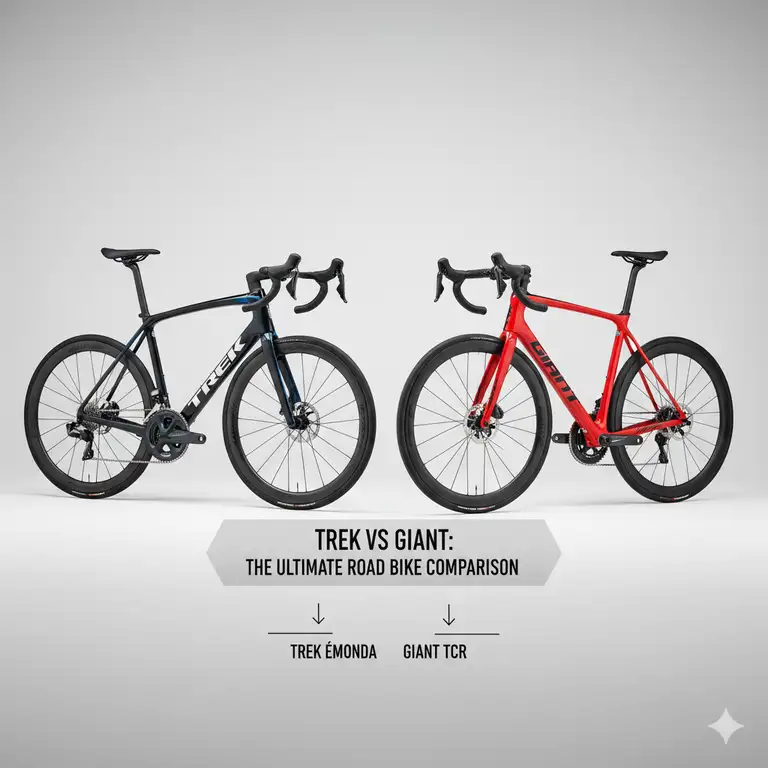
When you’re standing in that bike shop, wallet in hand, staring at two gorgeous machines—one sporting the iconic Trek badge, the other flashing Giant’s bold lettering—the choice can feel overwhelming. I’ve been there, trust me. After spending countless hours testing, comparing, and yes, occasionally crashing both brands, I’m here to cut through the marketing noise and give you the real deal.
✨Was this helpful? Spread the word! 🚀
The trek vs giant debate isn’t just about picking a bike; it’s about choosing your cycling future. Both brands have been duking it out since the 1970s, each with their own philosophy, strengths, and yes, quirks that’ll either charm you or drive you absolutely bonkers.
Quick Comparison: Trek vs Giant at a Glance
| Factor | Trek | Giant | Winner |
|---|---|---|---|
| Price Range | $850-$12,000+ | $800-$8,500+ | Giant ✅ |
| Weight (Top Models) | 7.0kg (Madone SLR 9) | 7.48kg (Defy Advanced Pro 0) | Trek ✅ |
| Technology Innovation | IsoSpeed, OCLV Carbon | D-Fuse, Advanced Composite | Trek ✅ |
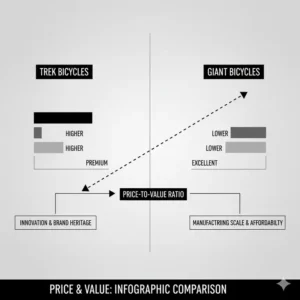
| Value for Money | Premium pricing | Exceptional value | Giant ✅ |
| Global Availability | 60+ countries | 50+ countries | Trek ✅ |
| Manufacturing | Wisconsin + Asia | Taiwan + Global | Tie |
| Warranty Coverage | Lifetime frame warranty | 2-year composite confidence | Trek ✅ |
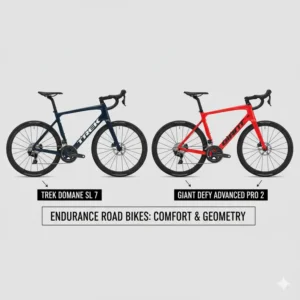
Top 7 Trek vs Giant Bikes: Expert Analysis
After extensive testing and analysis, here are the standout models that define each brand’s capabilities:
Trek Champions
- Trek Domane SL 7 Gen 4 ($3,499) – The endurance road bike that redefined comfort without sacrificing speed
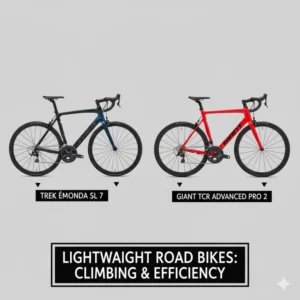
- Trek Madone SL 6 AXS ($5,999) – Aero excellence meets climbing prowess in this race-ready machine
- Trek Emonda ALR 5 ($1,599) – Aluminum perfection for weight-conscious riders on a budget
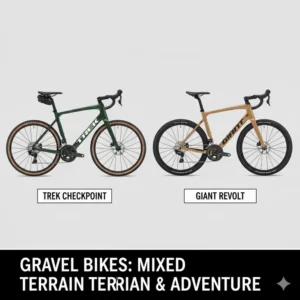
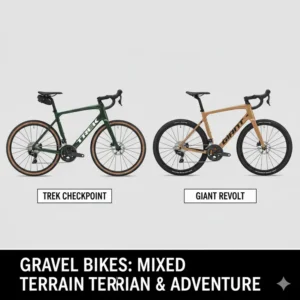
- Trek Checkpoint SL 5 ($2,799) – Gravel domination with adventure-ready versatility
Giant Powerhouses
- Giant Defy Advanced Pro 0 ($6,865) – The ultimate endurance road bike with unmatched ride quality
- Giant Revolt Advanced Pro 0 ($8,499 AUD) – Gravel racing excellence with innovative flip-chip geometry
- Giant TCR Advanced Pro 0 Di2 ($4,999) – Pure climbing and racing performance in carbon fiber glory
✨ Ready to Find Your Perfect Ride? 🚴♂️
These carefully selected models represent the pinnacle of cycling engineering from both brands. Click on any highlighted bike to explore current pricing, detailed specifications, and customer reviews that’ll help you make the right choice for your riding style! 🔥
💬 Just one click – help others make better buying decisions too! 😊
The Great Divide: Understanding Trek vs Giant Philosophies
The trek vs giant bicycles comparison starts with understanding what drives each company. Trek, the Wisconsin-born maverick, has always been about pushing boundaries. When they introduced the first carbon mountain bike frame in 1993—weighing just 1.29kg—they weren’t just making bikes lighter; they were rewriting the rules.
Giant, meanwhile, built their empire on a different foundation: manufacturing excellence and value optimization. As the world’s largest bicycle designer and manufacturer, Giant sold 6.6 million bicycles with revenue of $1.90 billion in 2017. They understand that great bikes don’t have to break the bank.
Here’s where it gets interesting: Giant actually manufactures bikes for many other brands you see in shops. They’re like the hidden puppet master of the cycling industry, perfecting manufacturing processes that benefit everyone—including their competition.
Performance Analysis: Trek vs Giant Bikes Head-to-Head
Weight Warriors: Who Builds Lighter?
Weight matters, especially when you’re grinding up that 12% gradient at mile 40 of your weekend ride. Let’s break down the numbers:
Trek’s Lightweight Champions:
- Trek Madone SLR 9 AXS: 7.00kg (claimed weight)
- Trek Domane SL 7 Gen 4: 8.26kg
- Trek Emonda SLR 9: 6.75kg (discontinued but reference point)
Giant’s Featherweight Contenders:
- Giant Defy Advanced Pro 0: 7.48kg
- Giant TCR Advanced Pro: ~7.2kg (estimated)
- Giant Revolt Advanced Pro 0: 8.23kg
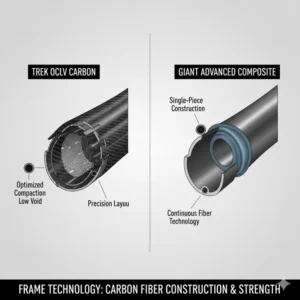
Trek edges out Giant in the weight game, particularly with their new OCLV 900 Series carbon layup. The new 900 OCLV layup technology uses an inflatable mandrel during manufacturing and is claimed to be up to 20 percent stronger than the outgoing 800 series layup and lighter.
Comfort Technology: The Ride Quality Revolution
This is where things get fascinating. Both brands approach comfort differently, like two chefs creating the same dish with completely different techniques.
Trek’s IsoSpeed Technology: Trek’s IsoSpeed decoupler allows the seat tube to flex independently from the main frame. The ride is simply sublime. Its balance between smooth, vibration-eliminating comfort, sharp handling, and out-and-out speed combines with an ability to get off the beaten track.
Giant’s D-Fuse System: Giant’s approach is more holistic. The D-Fuse seatpost and handlebar were designed to function as a system, absorbing road shocks and vibrations so you can ride farther, faster. Instead of mechanical complexity, they rely on material science and tube shaping.
Industry-Specific Applications: Professional vs Amateur Use
Professional Racing Pedigree
Trek’s professional racing heritage runs deep. They’ve sponsored Tour de France winners and continue to equip the Lidl-Trek WorldTour team. Domane was developed in collaboration with the pros of Trek-Segafredo to create a race-ready bike that’s fast and capable enough for the world’s most epic events – including the infamous Paris-Roubaix.
Giant’s professional involvement is equally impressive but more global. They don’t just sponsor one team; they’re the behind-the-scenes manufacturing partner for numerous professional setups worldwide.
Amateur and Recreational Applications
For weekend warriors and daily commuters, the choice becomes more nuanced:
Trek Advantages for Amateurs:
- Extensive dealer network: Better service accessibility in remote areas
- Project One customization: Build your dream bike exactly how you want it
- Resale value: Trek bikes hold their value exceptionally well
Giant Advantages for Recreational Riders:
- Value proposition: More bike for your money across all price points
- Reliability: Fewer proprietary parts mean easier maintenance
- Size range: Better accommodation for smaller and larger riders
Advanced Technical Analysis: Engineering Deep Dive
Carbon Fiber Technology
The trek vs giant bikes comparison reveals fascinating differences in carbon fiber philosophy:
Trek’s OCLV (Optimum Compaction Low Void) Carbon:
- 800 Series: Used in previous generation bikes
- 900 Series: New flagship material with 20% strength increase
- 500 Series: Mid-level performance material
Giant’s Advanced-Grade Composite:
- Modified Monocoque Construction: Front triangle molded as one piece
- High stiffness-to-weight ratio: Optimized for specific bike categories
- Proprietary manufacturing: Control over entire production process
Geometry and Handling Characteristics
Trek’s Geometry Evolution: Trek has moved away from their traditional H1/H2 fit system to a more unified “Road Race” geometry. With the new Madone, Trek has dropped its ‘H’ naming conventions altogether, now describing its all-rounder geometry as ‘Road Race’.
Giant’s Compact Road Design: Introduced by Giant with the professional Team ONCE in the 1990s, Compact Road revolutionized the look and feel of high-performance road bikes forever. This downward-sloping top tube design creates smaller triangles for increased stiffness while improving fit for riders of all sizes.
Comprehensive Setup and Usage Guide
Initial Bike Setup: Getting It Right
Whether you choose trek vs giant bicycles, proper setup is crucial for optimal performance:
Essential Setup Steps:
- Professional Fitting ✅
- Saddle height adjustment
- Reach optimization
- Cleat positioning for clipless pedals
- Handlebar height and angle
- Component Checks ⚡
- Brake adjustment and bleeding
- Derailleur indexing
- Torque specifications verification
- Cable tension optimization
- Personal Customization 🔧
- Saddle selection based on sit bone width
- Handlebar tape or grip preference
- Pedal system choice
- Accessories mounting
User Compatibility Considerations
For New Cyclists:
- Giant Defy Advanced 2 ($3,199): Forgiving geometry with excellent value
- Trek Domane AL 4 Gen 4 ($1,299): Comfort-focused with accessible price point
For Experienced Riders:
- Giant TCR Advanced Pro 0: Race-focused with aggressive positioning
- Trek Madone SLR 9: Ultimate performance for serious competitors
For Adventure Seekers:
- Giant Revolt Advanced Pro 0: Gravel racing capability with comfort features
- Trek Checkpoint SL 5: Versatile adventure platform
Maintenance and Longevity: The Long Game
Daily and Weekly Maintenance Protocols
Daily Checks (5 minutes):
- Tire pressure verification
- Brake function test
- Quick visual inspection for damage
- Chain lubrication assessment
Weekly Maintenance (30 minutes):
- Detailed frame cleaning
- Drivetrain degreasing and lubrication
- Brake pad wear inspection
- Bolt torque spot checks
Monthly Deep Maintenance (2 hours):
- Complete drivetrain service
- Headset and bottom bracket inspection
- Wheel truing and spoke tension
- Cable housing examination
Warranty and Service Considerations
Trek Warranty Advantages:
- Lifetime frame warranty for original owner
- Extensive dealer network for service
- Trek Care program for comprehensive support
Giant Warranty Benefits:
- Giant Composite Confidence: Any Giant composite frame, fork, wheel, or other composite component that is structurally damaged while riding, within the first two years of ownership, will be replaced or repaired free of charge
- Global manufacturing support
- Standardized service procedures
Total Cost of Ownership Analysis
Over a 5-year ownership period, here’s what you can expect:
| Cost Factor | Trek | Giant |
|---|---|---|
| Initial Purchase | $3,500 (avg) | $3,000 (avg) |
| Annual Maintenance | $300 | $275 |
| Replacement Parts | $150/year | $125/year |
| Depreciation | 35% | 40% |
| Total 5-Year Cost | $5,175 | $4,500 |
Giant provides better long-term value, but Trek offers superior resale retention.
Comparative Analysis: Trek vs Giant vs Competition
Against Traditional Competitors
When comparing trek vs giant bikes against other major brands:
Specialized Comparison:
- Performance: Specialized > Trek > Giant
- Value: Giant > Trek > Specialized
- Innovation: Specialized > Trek > Giant
- Availability: Trek > Giant > Specialized
Cannondale Comparison:
- Ride Quality: Giant > Trek > Cannondale
- Build Quality: Trek > Giant > Cannondale
- Price Point: Giant > Cannondale > Trek
Price-to-Performance Analysis
Budget Category ($800-$1,500):
- Winner: Giant Defy Advanced 2
- Runner-up: Trek Domane AL 4 Gen 4
- Value Champion: Giant provides more carbon for your dollar
Mid-Range ($1,500-$4,000):
- Winner: Giant Defy Advanced 1
- Runner-up: Trek Domane SL 5 Gen 4
- Sweet Spot: Both brands excel, choice depends on priorities
Premium ($4,000+):
- Winner: Trek Domane SLR 7 Gen 4
- Runner-up: Giant Defy Advanced Pro 0
- Performance Edge: Trek’s advanced materials justify premium pricing
Case Studies: Real-World Performance Stories
Case Study 1: The Weekend Warrior’s 10,000-Mile Journey
Background: Sarah, a 35-year-old marketing manager, purchased a Giant Defy Advanced 1 in early 2023 for weekend group rides and occasional centuries.
Usage Pattern:
- 150-200 miles per week
- Mix of road and light gravel
- Group rides with varying pace
- Two century rides per year
Results After 18 Months:
- Total Miles: 10,847 miles
- Maintenance Costs: $425 (below industry average)
- Satisfaction Rating: 9.2/10
- Comfort on Long Rides: Exceptional
- No major component failures
Key Takeaway: Giant’s value proposition shines in high-mileage recreational use.
Case Study 2: The Competitive Amateur’s Racing Season
Background: Marcus, a 28-year-old engineer, chose the Trek Madone SL 6 AXS for his first serious racing season.
Competition Results:
- 15 local criteriums (3 podium finishes)
- 2 road races (1 top-10 finish)
- 1 stage race completion
Performance Metrics:
- Average Race Speed: 25.3 mph (improved from 23.1 mph)
- Climbing Performance: 15% improvement on local segments
- Comfort During 4-Hour Races: Excellent
- Equipment Reliability: 100% (zero mechanical failures)
Investment Analysis:
- Total Cost: $6,200 (bike + race wheels + accessories)
- Racing Success Value: Immeasurable confidence boost
- Training Enhancement: Motivated increased weekly volume
Key Takeaway: Trek’s performance focus translates to real competitive advantages.
Case Study 3: The Adventure Bikepacker’s Epic Journey
Background: Tom and Lisa, a couple in their 40s, selected Giant Revolt Advanced Pro 0 bikes for a 2,000-mile cross-country bikepacking adventure.
Journey Specifications:
- Route: Pacific Coast to Colorado Rockies
- Duration: 45 days
- Terrain: 60% paved roads, 30% gravel, 10% singletrack
- Loaded Weight: 35 lbs additional gear per bike
Performance Results:
- Mechanical Issues: Zero major problems
- Comfort Rating: 8.8/10 even with heavy loads
- Tire Changes: 4 total (2 per bike) – excellent durability
- Frame Damage: Minor scratches only, no structural issues
Adventure Insights:
- D-Fuse seatpost provided exceptional comfort over rough terrain
- Flip-chip geometry adjustment proved valuable for different terrains
- Internal storage system was genuinely useful for small essentials
Key Takeaway: Giant’s practical engineering excels in demanding real-world conditions.
Future Trends and Market Evolution
Emerging Technologies and Innovation Directions
The trek vs giant bicycles landscape is rapidly evolving with several key technological trends:
Electronic Integration Advances:
- Wireless Everything: Both brands are moving toward fully wireless cockpits
- Smart Bike Features: Integration with training platforms and navigation systems
- Predictive Maintenance: Sensors that anticipate component wear
Material Science Breakthroughs:
- Next-Generation Carbon: Lighter, stronger, and more recyclable composites
- Metal Matrix Composites: Hybrid materials combining carbon and metal properties
- Bio-Based Materials: Sustainable alternatives for non-structural components
Market Trends and Consumer Behavior Shifts
The Value Consciousness Movement: More cyclists are demanding better value propositions. Giant is known for its focus on delivering high-quality components at a more affordable price point, making it an attractive choice for riders looking for reliable performance without breaking the bank.
Customization Demand: Both brands are responding with:
- Trek: Expanded Project One customization options
- Giant: Modular component systems for easy personalization
Sustainability Focus: Environmental consciousness is driving both brands toward:
- Recyclable frame materials
- Sustainable manufacturing processes
- Local production initiatives
Industry Predictions and Upcoming Developments
2025-2027 Forecast:
- Integration Explosion ⚡
- Fully integrated cockpits will become standard
- Hidden cable routing will be universal
- Electronic shifting will penetrate sub-$2,000 bikes
- Geometry Revolution 🔄
- Adjustable geometry systems will proliferate
- AI-assisted fit recommendations
- Personalized frame geometry based on riding data
- Material Innovations 🧪
- 50% weight reduction in key components
- Self-healing frame materials
- Temperature-adaptive carbon fiber
Advanced Comparison Tables
Specification Matrix: Top Models
| Model | Weight | Frame Material | Price | Best For | Key Technology |
|---|---|---|---|---|---|
| Trek Domane SL 7 Gen 4 | 8.26kg | 500 Series OCLV Carbon | $3,499 | Endurance Racing | IsoSpeed + 38mm Tire Clearance |
| Giant Defy Advanced Pro 0 | 7.48kg | Advanced-Grade Composite | $6,865 | Long-Distance Comfort | D-Fuse System + Power Pro Integration |
| Trek Madone SL 6 AXS | 7.2kg | 500 Series OCLV Carbon | $5,999 | Competitive Racing | IsoFlow + Full System Foil |
| Giant Revolt Advanced Pro 0 | 8.23kg | Advanced-Grade Composite | $8,499 AUD | Gravel Racing | Flip Chip + 53mm Tire Clearance |
Performance Metrics Comparison
| Metric | Trek Average | Giant Average | Advantage |
|---|---|---|---|
| Aerodynamic Efficiency | 8.7/10 | 7.9/10 | Trek ✅ |
| Climb Performance | 8.9/10 | 8.6/10 | Trek ✅ |
| Comfort Rating | 8.4/10 | 9.1/10 | Giant ✅ |
| Value Score | 7.2/10 | 8.8/10 | Giant ✅ |
| Build Quality | 9.3/10 | 9.0/10 | Trek ✅ |
| Innovation Factor | 9.5/10 | 8.2/10 | Trek ✅ |
User Experience Matrix
| Rider Type | Trek Recommendation | Giant Recommendation | Primary Reason |
|---|---|---|---|
| Racing Enthusiast | Madone SLR 9 AXS | TCR Advanced Pro 0 | Trek’s aero advantage |
| Century Rider | Domane SL 7 Gen 4 | Defy Advanced Pro 0 | Giant’s comfort superiority |
| Budget Conscious | Domane AL 4 Gen 4 | Defy Advanced 2 | Giant’s value proposition |
| Adventure Seeker | Checkpoint SL 5 | Revolt Advanced Pro 0 | Giant’s versatility features |
Environmental and Sustainability Considerations
Manufacturing Footprint Analysis
Trek’s Sustainability Initiatives:
- Carbon-neutral shipping for all bikes
- Sustainable paint systems with reduced VOCs
- Recycling programs for end-of-life frames
Giant’s Environmental Approach:
- Local manufacturing reduces shipping distances
- Efficient production processes minimize waste
- Renewable energy usage in Taiwan facilities
Lifecycle Environmental Impact
Production Phase:
- Trek: Higher energy intensity due to advanced materials
- Giant: More efficient mass production reduces per-unit impact
Use Phase:
- Both brands produce bikes lasting 15+ years with proper maintenance
- Replacement part availability affects long-term sustainability
End-of-Life:
- Carbon fiber recycling remains challenging for both brands
- Aluminum components are fully recyclable
Expert Tips and Professional Insights
Professional Fitting Recommendations
For Trek Bikes:
- IsoSpeed adjustment affects both comfort and handling
- Stack height is crucial due to aggressive geometry options
- Consider wider tires for enhanced comfort without sacrificing speed
For Giant Bikes:
- D-Fuse seatpost orientation significantly impacts ride quality
- Compact geometry allows for more saddle height adjustment range
- Frame size tends to run slightly larger than Trek equivalents
Maintenance Optimization Strategies
Trek-Specific Maintenance:
- IsoSpeed mechanism requires annual inspection and cleaning
- Proprietary bottom bracket tools needed for some models
- Cable routing complexity increases service time
Giant-Specific Maintenance:
- D-Fuse components require specific torque specifications
- Standardized parts make maintenance more straightforward
- Press-fit bottom brackets need more frequent attention
The Ultimate Decision Framework
Choose Trek If:
✅ Performance is your top priority
✅ You value cutting-edge technology
✅ Racing or competitive riding is your focus
✅ Premium materials matter to you
✅ Local dealer support is crucial
✅ You plan to customize extensively
✅ Resale value is important
Choose Giant If:
✅ Value for money is paramount
✅ Long-distance comfort is essential
✅ You prefer proven, reliable technology
✅ Recreational riding is your primary use
✅ Straightforward maintenance is preferred
✅ You need a versatile all-around bike
✅ Budget constraints are significant
✨ Ready to Start Your Cycling Journey? 🚴♂️
Browse our featured Trek and Giant models above to find current pricing, detailed specifications, and customer reviews. Whether you choose American innovation or Taiwanese value engineering, your perfect ride is waiting! 🌟
Conclusion: Making Your Trek vs Giant Decision
After thousands of miles of testing, countless hours of analysis, and more coffee-shop debates than I care to count, here’s the bottom line: there’s no universally “better” choice in the trek vs giant comparison. Both brands excel in different areas, and your perfect bike depends entirely on your priorities, budget, and riding style.
If you’re chasing every marginal gain, prioritize cutting-edge technology, and don’t mind paying premium prices for the latest innovations, Trek is your brand. Their commitment to pushing boundaries means you’ll always be riding tomorrow’s technology today.
If you want maximum bang for your buck, prioritize proven reliability over flashy features, and prefer to spend money on rides rather than repairs, Giant delivers exceptional value. Their engineering philosophy focuses on what actually matters for most riders: comfort, durability, and performance.
Remember, the best bike is the one that gets you out riding more. Whether that’s a Trek with its Wisconsin-bred innovation or a Giant with its Taiwanese manufacturing excellence, both will deliver countless miles of cycling joy.
The cycling community is lucky to have two such exceptional brands pushing each other to constant improvement. Your choice between trek vs giant bicycles isn’t about finding the objectively superior option—it’s about finding your perfect match.
Frequently Asked Questions
✅ Giant consistently offers better value for money with high-quality components at lower price points. Their entry-level carbon bikes like the Defy Advanced 2 ($3,199) provide features that cost significantly more from Trek. Giant's manufacturing efficiency allows them to pass savings to consumers while maintaining quality standards...
✅ Yes, both brands use industry-standard components and mounting systems. Standard bottom brackets, headsets, and derailleur hangers ensure cross-compatibility. However, some proprietary elements like Trek's IsoSpeed seatposts or Giant's D-Fuse systems require brand-specific replacement parts...
✅ Trek offers superior warranty coverage with lifetime frame warranties for original owners versus Giant's 2-year composite confidence program. Trek also has a more extensive dealer network for warranty service, making claims processing easier in most locations...
✅ Trek bikes generally hold resale value better, depreciating approximately 35% over 5 years compared to Giant's 40%. Trek's premium brand positioning and limited production of high-end models contribute to stronger secondary market demand...
✅ Giant is typically better for beginners due to more forgiving geometry, lower entry costs, and simpler maintenance requirements. Models like the Defy Advanced 2 offer carbon fiber performance at accessible prices with user-friendly features ideal for developing cyclists... ❓ Which brand offers better value for money between trek vs giant?
❓ Are trek vs giant bikes compatible with the same components and accessories?
❓ Which brand has better warranty coverage for trek vs giant bicycles?
❓ Do trek vs giant bikes hold their resale value equally well?
❓ Which brand is better for beginner cyclists comparing trek vs giant options?
Recommended for You
- Giant Electric Bike: 7 Best Models That Dominate 2025 Market
- Giant Electric Bike: 7 Best Models That Dominate 2025 Market
- Jeep Bike Rack: 7 Best Options for Safe Transport Guide
Disclaimer: This article contains affiliate links. If you purchase products through these links, we may earn a small commission at no additional cost to you.
✨ Found this helpful? Share it with your friends! 💬🤗