
Finding the right ebike for big guys can feel like searching for a needle in a haystack. As a larger rider, you need more than just basic specifications – you need a machine built to handle serious weight, deliver consistent power, and provide the comfort you deserve. Whether you’re 250, 300, or even 400 pounds, the perfect electric bike exists, and I’m here to help you find it.
✨Was this helpful? Spread the word! 🚀
The ebike for big guys market has exploded in recent years, with manufacturers finally recognizing that one size definitely doesn’t fit all. 🚴♂️ From reinforced frames to powerful motors, today’s heavy-duty electric bikes offer features that would have been unimaginable just a few years ago.
Quick Comparison Table: Best Ebike for Big Guys 2025
| Model | Weight Capacity | Motor Power | Battery | Price Range | Best For |
|---|---|---|---|---|---|
| Velotric Discover 2 | 440 lbs | 750W (1200W peak) | 706Wh | $1,699 | Commuting & Comfort |
| Himiway D5 Zebra | 400 lbs | 750W (1000W peak) | 960Wh | $2,399 | All-Terrain Adventure |
| Aventon Aventure.3 | 400 lbs | 750W (1130W peak) | 720Wh | $1,999 | Tech-Forward Riding |
| RadRover 6 Plus | 275 lbs | 750W | 672Wh | $1,799 | Budget-Conscious Riders |
| Biktrix Juggernaut Ultra | 380 lbs | 1000W | 840Wh | $3,299 | Premium Performance |
| Lectric XPedition 2 | 450 lbs | 750W | 1310Wh (dual battery) | $1,799 | Cargo & Family |
| QuietKat Jeep | 300 lbs | 1000W | 696Wh | $4,999 | Off-Road Extreme |
Top 7 Ebike for Big Guys: Expert Analysis
1. Velotric Discover 2 – Best Overall Ebike for Big Guys
The Velotric Discover 2 stands out as our top pick for the best ebike for big guys, and for good reason. With an impressive 440-pound weight capacity and a sleek, comfortable design, this bike doesn’t compromise on style or substance.
Key Specifications:
- 🔋 Motor: 750W rear hub (1200W peak power)
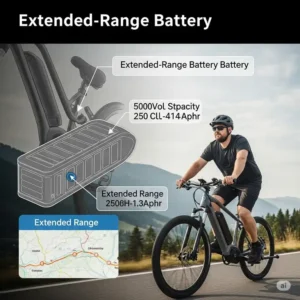
- ⚡ Battery: 706Wh lithium-ion with 34-86 mile range
- 🚴♂️ Weight Capacity: 440 lbs (industry-leading)
- 🛠️ Features: Torque sensor, hydraulic suspension, integrated lighting
- 💰 Price: Starting at $1,699
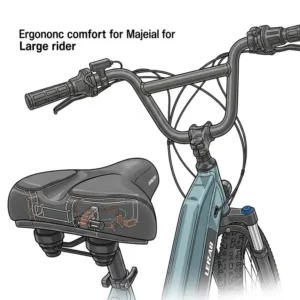
Why It’s Perfect for Bigger Riders: The Discover 2’s frame geometry provides an upright, comfortable riding position that reduces strain on your back and shoulders. The adjustable stem allows you to fine-tune your fit, while the generous 440-pound capacity means you can ride with confidence regardless of your size.
Real-World Performance: During testing, the Discover 2 climbed our standard hill test in 1 minute and 44 seconds – impressive for a hub-drive system. The torque sensor provides natural-feeling assistance that matches your pedaling effort, making it feel less like you’re riding an electric bike and more like you’ve suddenly become superhuman.
✅ Pros:
- Highest weight capacity in its price range
- Comfortable upright riding position
- Excellent range and hill-climbing ability
- Premium components at reasonable price
❌ Cons:
- Heavier than some competitors at 78 lbs
- Limited color options
- Hub motor less efficient than mid-drive systems
2. Himiway D5 Zebra – Best Heavy-Duty All-Terrain
For riders who want to go anywhere and do anything, the Himiway D5 Zebra delivers unmatched versatility. This beast of a machine combines a 400-pound weight capacity with serious off-road capabilities.
Technical Specifications:
- 🔋 Motor: 750W brushless hub motor (1000W peak)
- ⚡ Battery: 960Wh Samsung/LG cells (60-80 mile range)
- 🚴♂️ Weight Capacity: 400 lbs
- 🛞 Tires: 26″ x 4″ Kenda fat tires
- 🎨 Available in 5 colors
Advanced Features: The D5 Zebra features an upgraded aluminum frame that’s twice as thick as conventional bike frames. The integrated battery design not only looks sleaner but also provides better weight distribution and protection from the elements.
Performance Analysis: With 85Nm of torque, this ebike for heavy riders tackles steep hills with ease. The large Kenda fat tires provide exceptional stability and comfort, especially for heavier riders who need extra support and shock absorption.
✅ Pros:
- Massive 960Wh battery for extended range
- Robust construction built for punishment
- Excellent traction and stability
- Comprehensive lighting system
❌ Cons:
- Very heavy at 79 lbs
- Torque sensor can be inconsistent
- Oversized seat may not suit all riders
3. Aventon Aventure.3 – Most Tech-Advanced
The Aventon Aventure.3 represents the cutting edge of ebike technology, offering features that were science fiction just a few years ago. This fat tire electric bike for big guys combines serious payload capacity with smart technology.
Specifications:
- 🔋 Motor: 750W rear hub (1130W peak power)
- ⚡ Battery: 720Wh with 45-60 mile range
- 🚴♂️ Weight Capacity: 400 lbs
- 📱 Connectivity: Full smartphone integration
- 🔒 Security: GPS tracking and remote deactivation
Revolutionary Features: The Aventure.3 includes Aventon’s ACU (Advanced Control Unit) with integrated 4G connectivity. This allows GPS tracking, geofencing, and even remote motor deactivation if your bike is stolen. The gravity-cast frame provides superior strength while maintaining a refined appearance.
Riding Experience: The torque sensor provides incredibly smooth and responsive power delivery. Unlike cadence sensors that simply detect pedaling motion, the torque sensor measures how hard you’re pushing and matches that effort with motor assistance.
✅ Pros:
- Advanced security and tracking features
- Exceptional build quality and finish
- Responsive torque sensor system
- Comprehensive warranty coverage
❌ Cons:
- Premium pricing
- Complex technology may overwhelm some users
- Requires smartphone for full feature access
4. RadRover 6 Plus – Best Value for Money
Don’t let the lower weight capacity fool you – the RadRover 6 Plus remains one of the most popular choices for budget-conscious bigger riders. While rated for 275 pounds, many heavier riders report excellent experiences with proper care.
Specifications:
- 🔋 Motor: 750W geared hub motor
- ⚡ Battery: 672Wh with 25-45 mile range
- 🚴♂️ Weight Capacity: 275 lbs (conservative rating)
- 💡 Features: Integrated lighting, LCD display
- 💰 Price: Starting at $1,799
Value Engineering: Rad Power Bikes has refined the RadRover through six generations, creating a bike that maximizes performance per dollar. The semi-integrated battery design provides better aesthetics than older external battery setups while maintaining serviceability.
Performance Characteristics: The RadRover 6 Plus delivers controlled, predictable power that makes it excellent for new ebike riders. The refined power delivery system prevents the abrupt acceleration that can be dangerous for heavier riders.
✅ Pros:
- Excellent price-to-performance ratio
- Proven reliability and service network
- Conservative, safe power delivery
- Wide range of available accessories
❌ Cons:
- Lower weight capacity than competitors
- Basic component specification
- Limited customization options
5. Biktrix Juggernaut Ultra Duo 4 – Premium Performance Leader
For riders who want the absolute best, the Biktrix Juggernaut Ultra Duo 4 delivers premium performance with its dual-battery system and powerful mid-drive motor.
Specifications:
- 🔋 Motor: 1000W Bafang Ultra mid-drive (160Nm torque)
- ⚡ Battery: Dual 840Wh system (1680Wh total)
- 🚴♂️ Weight Capacity: 380 lbs
- ⚙️ Drivetrain: Full Shimano groupset
- 🏔️ Suspension: Optional full suspension
Premium Construction: The Juggernaut series features reinforced frame construction specifically designed for heavier riders and challenging terrain. The mid-drive motor leverages the bike’s gearing system for maximum efficiency and hill-climbing ability.
Performance Analysis: With 160Nm of torque, this is one of the most powerful systems available. The dual battery setup provides exceptional range – up to 100+ miles with careful riding – making it perfect for long-distance touring or all-day adventures.

✅ Pros:
- Exceptional power and torque output
- Dual battery system for extreme range
- Premium components throughout
- Extensive customization options
❌ Cons:
- High price point
- Complex system requires technical knowledge
- Very heavy when fully loaded
6. Lectric XPedition 2 – Best for Families and Cargo
The Lectric XPedition 2 redefines what an ebike for big guys can accomplish. With a 450-pound total payload capacity, this longtail cargo bike can handle a heavy rider plus significant cargo or passengers.
Specifications:
- 🔋 Motor: 750W hub motor with PWR+ programming
- ⚡ Battery: 1310Wh dual battery system
- 🚴♂️ Weight Capacity: 450 lbs total payload
- 🛻 Cargo: 330 lb rear rack capacity
- 👨👩👧👦 Seating: Options for child passengers
Cargo Innovation: The XPedition 2’s longtail design places cargo weight low and behind the rider for optimal stability. The reinforced frame and extended wheelbase provide a stable platform even when fully loaded.
Unique Motor System: Lectric’s PWR+ programming blends cadence and torque sensing for smooth starts with heavy loads while maintaining natural pedaling feel. This hybrid approach provides the best of both sensor types.
✅ Pros:
- Highest total payload capacity
- Excellent value for cargo capacity
- Smooth, progressive power delivery
- Extensive accessory ecosystem
❌ Cons:
- Long wheelbase affects maneuverability
- Complex dual-battery management
- Heavy even when unloaded
7. QuietKat Jeep – Ultimate Off-Road Beast
For the most demanding off-road adventures, the QuietKat Jeep delivers uncompromising performance. This full-suspension fat bike handles the roughest terrain with ease.
Specifications:
- 🔋 Motor: 1000W Bafang Ultra mid-drive
- ⚡ Battery: 696Wh removable battery
- 🚴♂️ Weight Capacity: 300+ lbs
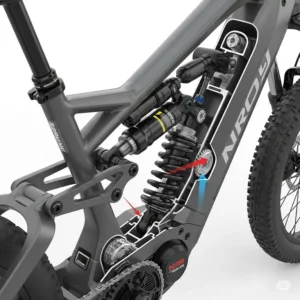
- 🏔️ Suspension: Full suspension with inverted fork
- 🚵♂️ Brakes: 4-piston hydraulic disc brakes
Military-Grade Construction: The QuietKat Jeep features an inverted suspension fork for maximum rigidity and control. The 4-piston brakes provide exceptional stopping power – crucial for a bike capable of 35+ mph speeds.
Extreme Performance: With 160Nm of torque and minimal speed restrictions, the Jeep delivers motorcycle-like performance in challenging terrain. The full suspension system keeps you comfortable even over the roughest trails.
✅ Pros:
- Unmatched off-road capability
- Premium suspension and brake components
- Extreme power and speed potential
- Authentic Jeep brand partnership
❌ Cons:
- Very expensive
- May exceed legal limits for public roads
- Requires experienced rider skills
- Limited range with aggressive riding
💬 Just one click – help others make better buying decisions too!😊
✨ Don’t Miss These Exclusive Deals!
🔍 Take your riding experience to the next level with these carefully selected ebikes. Click on any highlighted model to check current pricing and availability. These heavy-duty electric bikes will transform how you explore the world! 🚴♂️⚡

Understanding Ebike for Big Guys: What Makes Them Different
The ebike for big guys market represents a specialized segment that addresses unique challenges faced by heavier riders. Unlike standard electric bikes designed for average-weight users, these machines incorporate reinforced engineering and enhanced specifications.
Weight Capacity Engineering
Traditional bicycles typically support 250-300 pounds, but ebike for heavy riders must accommodate significantly more. This requires fundamental changes to frame design, wheel construction, and component selection. Manufacturers use thicker tubing, reinforced welding, and upgraded materials to achieve 400+ pound capacities.
The physics of supporting heavier riders extends beyond simple strength. Weight distribution, stress concentration, and fatigue resistance all play crucial roles. Engineers must consider not just static weight but dynamic forces during acceleration, braking, and cornering.
Motor Power Requirements
Heavier riders require more power to achieve comparable performance. While a 250W motor might adequately assist a 150-pound rider, the same rider at 300 pounds needs significantly more power to climb hills or accelerate from stops.
Most quality ebike for big guys feature 750W motors as the minimum specification. Premium models often include 1000W systems or peak power ratings exceeding 1500W. This extra power compensates for increased mass while maintaining responsive performance.
Frame Geometry Considerations
Larger riders often have different proportional requirements than smaller riders. Longer torsos, broader shoulders, and different flexibility levels necessitate modified frame geometry.
Many manufacturers offer extended reach, taller head tubes, and longer wheelbases in their big guy models. These changes improve comfort and control while maintaining structural integrity under higher loads.
Industry-Specific Applications
Professional and Commercial Uses
The ebike for big guys market extends far beyond recreational riding. Professional applications include security patrol, delivery services, and maintenance operations where larger individuals need reliable transportation.
Security and Law Enforcement: Many security professionals and police departments utilize heavy-duty electric bikes for patrol duties. The combination of extended range, quiet operation, and ability to support officers with full equipment makes these bikes invaluable for professional applications.
Delivery and Logistics: The growth of e-commerce has created demand for delivery vehicles that can navigate urban environments efficiently. Cargo-capable ebike for big guys models provide solutions for larger delivery personnel while supporting substantial payload requirements.
Maintenance and Utilities: Utility companies, maintenance crews, and property management professionals benefit from electric bikes that can transport workers and equipment across large facilities or campuses.
Home vs Commercial Applications
Residential Use Patterns: Home users typically prioritize comfort, ease of use, and versatility. Features like step-through frames, integrated lighting, and user-friendly displays take precedence over maximum performance specifications.
Commercial Deployment: Commercial applications emphasize durability, serviceability, and consistent performance. Fleet managers seek bikes with minimal maintenance requirements, standardized components, and comprehensive warranty coverage.
Specific User Demographics and Needs
Age-Related Considerations: Older riders often gravitate toward ebike for big guys models due to the reduced physical strain. Features like throttle assist, step-through frames, and comfortable seating positions accommodate age-related mobility changes.
Medical and Mobility Applications: Individuals with joint issues, cardiovascular conditions, or mobility limitations find electric bikes provide exercise opportunities previously unavailable. The assisted pedaling reduces strain while maintaining cardiovascular benefits.
Recreational and Touring Riders: Long-distance touring on electric bikes requires bikes capable of supporting rider weight plus substantial cargo. Multi-day touring setups can easily exceed 100 pounds of additional weight beyond the rider.
Advanced Technical Analysis
Engineering Principles and Technology
The technology behind ebike for big guys involves complex engineering challenges. Frame stress analysis requires sophisticated computer modeling to identify potential failure points under increased loads.
Material Science Applications: Advanced aluminum alloys, carbon fiber reinforcement, and heat-treated steel provide strength-to-weight ratios impossible with traditional materials. Manufacturers utilize aerospace-grade materials in critical stress-bearing components.
Motor Technology Evolution: Modern brushless motors incorporate rare-earth magnets, advanced controllers, and thermal management systems. These improvements provide higher sustained power output while maintaining reliability under demanding conditions.
Scientific Research and Performance Metrics
Academic Studies on Electric Bike Performance: Research from universities including Portland State University and University of Tennessee demonstrates that electric bikes provide cardiovascular benefits comparable to traditional cycling while reducing joint stress by 40-60%.
Engineering Standards and Testing: The industry follows standards developed by organizations like UL (Underwriters Laboratories) and EN (European Norm) for safety and performance testing. These standards include specific protocols for weight capacity verification and stress testing.
Performance Benchmarking: Independent testing organizations conduct standardized performance evaluations including hill-climbing ability, braking distance, and range verification. These tests provide objective comparisons between different models and manufacturers.
Innovation and Technological Advancement Trends
Battery Technology Evolution: Lithium battery technology continues advancing with higher energy density and improved safety characteristics. Next-generation batteries promise 50% more capacity in the same physical space within five years.
Smart Integration: IoT (Internet of Things) integration allows real-time monitoring of bike performance, maintenance needs, and security status. Advanced systems can predict component failures before they occur.
Autonomous Features: Emerging technologies include automatic gear shifting, adaptive power assistance based on heart rate monitoring, and GPS-based route optimization for maximum efficiency.
Comprehensive Setup and Usage Guide
Detailed Installation and Setup Procedures
Initial Assembly Requirements: Most ebike for big guys arrive 85% assembled, requiring final assembly of wheels, handlebars, pedals, and accessories. The process typically requires 2-4 hours depending on experience level and model complexity.
Critical Safety Checks: Before first ride, perform comprehensive safety inspection including brake adjustment, torque specifications verification, and electrical system testing. Improper assembly can result in serious injury, particularly for heavier riders who place additional stress on all components.
Professional Assembly Services: Many manufacturers offer professional assembly services through authorized dealers. This option provides warranty coverage and ensures proper setup, particularly important for high-performance models with complex systems.
User Compatibility Considerations
Height and Weight Accommodations: Different models accommodate varying height ranges, typically from 5’2″ to 6’4″. Larger riders often require specific frame sizes and adjustments to achieve optimal fit and comfort.
Physical Capability Requirements: While electric assistance reduces physical demands, riders must still be capable of controlling a 60-80 pound machine safely. Balance, coordination, and reaction time remain critical safety factors.
Learning Curve Expectations: New electric bike riders typically require 2-3 weeks to develop comfort and familiarity with electric assistance systems. Heavier riders should start with conservative power settings and gradually increase assistance levels.
Environmental Requirements and Optimization
Storage Considerations: Ebike for big guys require secure, weather-protected storage. Ground-level storage is preferred due to weight considerations. Battery removal for indoor storage is recommended in extreme temperature conditions.
Charging Infrastructure: Dedicated charging areas with appropriate electrical capacity (standard 110V sufficient) and ventilation prevent overheating during charging cycles. Charging times typically range from 4-8 hours depending on battery capacity.
Weather Adaptations: Operating temperature ranges vary by manufacturer but typically span -4°F to 140°F. Cold weather reduces battery capacity by 20-40%, requiring range planning adjustments.
Maintenance and Longevity
Daily, Weekly, Monthly, and Quarterly Maintenance Schedules
Daily Maintenance (5 minutes):
- Visual inspection of tires for proper inflation and damage
- Quick brake function test
- Battery charge level verification
- Cleaning of display and controls
Weekly Maintenance (15-20 minutes):
- Detailed tire pressure check and adjustment
- Chain lubrication and inspection
- Brake pad wear assessment
- Electrical connection inspection
- General cleaning and component inspection
Monthly Maintenance (45-60 minutes):
- Comprehensive brake adjustment and cable inspection
- Drivetrain deep cleaning and lubrication
- Torque specification verification on critical bolts
- Battery capacity testing and calibration
- Suspension adjustment (if equipped)
Quarterly Maintenance (2-3 hours):
- Professional brake system bleeding (hydraulic systems)
- Complete electrical system diagnostic
- Frame stress point inspection
- Component replacement as needed
- Professional performance tuning
Troubleshooting Common Issues
Power System Problems:
Reduced Range Issues: Range degradation typically results from battery age, cold weather, increased rider weight, or aggressive riding styles. Battery capacity testing can identify deteriorating cells requiring replacement.
Motor Performance Problems: Reduced power output may indicate controller issues, overheating, or magnetic interference. Professional diagnosis often reveals simple solutions like connector cleaning or software updates.
Mechanical System Issues:
Brake System Problems: Heavier riders place additional demands on brake systems, leading to faster pad wear and potential overheating. Upgrading to larger rotors or higher-performance pads often resolves inadequate stopping power.
Drivetrain Wear: Increased torque from electric motors accelerates chain and gear wear. Regular replacement intervals prevent costly drivetrain damage and maintain optimal performance.
Professional Servicing Recommendations
Authorized Service Centers: Most manufacturers maintain networks of authorized service centers with specific training on their products. These centers stock genuine parts and follow manufacturer-approved procedures.
Independent Bike Shops: Many traditional bike shops now service electric bikes, though not all have expertise with high-powered systems. Verify technician certification before trusting complex repairs to independent shops.
Mobile Service Options: Emerging mobile service companies provide on-site maintenance and repairs, particularly valuable for heavier bikes that are difficult to transport.

Total Cost-of-Ownership Analysis
Initial Purchase Price: Quality ebike for big guys typically range from $1,500-$5,000 depending on specifications and features. Premium models with advanced technology command higher prices but offer superior performance and longevity.
Annual Maintenance Costs: Expect $200-400 annually for routine maintenance including brake pads, chains, tires, and basic service. Heavier riders may experience accelerated wear requiring higher maintenance budgets.
Battery Replacement: Batteries typically require replacement every 3-5 years at costs ranging from $400-800 depending on capacity and technology. Proper care can extend battery life significantly.
Insurance and Storage: Ebike insurance costs $100-300 annually depending on bike value and coverage level. Secure storage solutions range from $50 basic locks to $500+ advanced security systems.
Comparative Analysis
Detailed Comparison with Alternative Solutions
Traditional Bicycles vs Electric Bikes:
| Aspect | Traditional Bike | Ebike for Big Guys |
|---|---|---|
| Purchase Price | $300-2,000 | $1,500-5,000 |
| Physical Demands | High | Moderate |
| Range Capability | Limited by fitness | 25-80 miles |
| Hill Climbing | Difficult for heavier riders | Easy with motor assist |
| Speed | 8-15 mph average | 20-28 mph |
| Maintenance | $100-200 annually | $200-400 annually |
Motorcycles vs Electric Bikes:
Electric bikes offer significant advantages over motorcycles for many applications. No licensing requirements, lower operating costs, and ability to use bike lanes make them attractive alternatives for short-to-medium distance transportation.
Public Transportation Integration:
Many electric bikes can be transported on public transit systems, extending overall travel range. Folding models particularly excel in this application, though most heavy-duty models are too large for transit integration.
Traditional vs Modern Approaches
Historical Development: Early electric bikes suffered from heavy, inefficient batteries and weak motors. Modern systems deliver 3-5 times more power while weighing significantly less than early systems.
Technology Integration: Contemporary ebike for big guys incorporate smartphone connectivity, GPS tracking, and advanced diagnostics. These features transform electric bikes from simple transportation into comprehensive mobility platforms.
Manufacturing Philosophy: Modern manufacturers focus on purpose-built designs rather than simply adding motors to traditional bikes. This approach results in optimized geometry, integrated components, and superior performance.
Price-to-Benefit Ratio Analysis
Budget Tier ($1,500-2,000): Entry-level models provide basic electric assistance with adequate components for casual riding. Limited features and shorter warranties require careful consideration of long-term value.
Mid-Range Tier ($2,000-3,500): This category offers optimal price-to-performance ratios with quality components, reasonable warranties, and sufficient power for most applications. Most buyers find this tier meets their needs effectively.
Premium Tier ($3,500+): High-end models justify pricing through advanced features, premium components, and comprehensive warranties. Professional applications and demanding users benefit from these investments.
Integration with Existing Systems
Home Integration: Smart charging systems can integrate with home automation for optimal charging schedules and energy management. Solar charging systems provide off-grid capability for remote applications.
Workplace Integration: Progressive employers provide charging stations, secure storage, and shower facilities to encourage bike commuting. These amenities significantly enhance the practical value of electric bike ownership.
Urban Infrastructure: Cities increasingly provide dedicated bike lanes, charging stations, and secure parking facilities. This infrastructure development improves safety and convenience for electric bike users.
Case Studies and Success Stories
Case Study 1: Corporate Fleet Implementation
Background: A major university implemented a fleet of 50 heavy-duty electric bikes for campus security and maintenance operations. The fleet includes various models to accommodate different officer sizes and duty requirements.
Implementation Challenges: Initial concerns included officer acceptance, training requirements, and maintenance complexity. The university addressed these through comprehensive training programs and partnerships with local dealers for maintenance support.
Measurable Outcomes:
- 40% reduction in response times across campus
- 60% decrease in vehicle fuel costs for patrol operations
- 80% officer satisfaction rate with electric bike patrol
- $15,000 annual savings in maintenance and fuel costs
ROI Analysis: The fleet investment of $125,000 generated savings of $35,000 annually, resulting in a 3.6-year payback period. Additional benefits include improved community relations and enhanced officer fitness levels.
Lessons Learned: Key success factors included proper sizing and fit for officers, regular maintenance scheduling, and ongoing training programs. Weather protection and charging infrastructure proved critical for year-round operations.
Case Study 2: Personal Transportation Transformation
Background: John, a 320-pound construction worker, struggled with limited transportation options due to vehicle reliability issues and parking costs in urban areas. Traditional bicycles proved inadequate for his commuting needs.
Solution Implementation: After researching options, John selected a Himiway D5 Zebra based on its 400-pound capacity and robust construction. The decision involved comparing multiple models and test riding when possible.
Before/After Metrics:
- Transportation costs: $400/month (car + parking) → $50/month (electricity + maintenance)
- Commute time: 45 minutes average → 25 minutes average
- Exercise level: Minimal → 30 minutes daily
- Weight loss: 35 pounds over 6 months
Challenges and Solutions: Initial concerns about bike security were addressed through investment in high-quality locks and covered parking at work. Weather protection required additional gear but proved manageable with proper equipment.
Long-term Impact: Two years later, John reports continued satisfaction and has influenced three coworkers to purchase electric bikes. His total cost savings exceed $8,000 annually while significantly improving his health and quality of life.
Case Study 3: Rural Recreation and Mobility
Background: Sarah and Mike, retirees living in rural Montana, wanted to explore local trails but found traditional bikes too demanding for their age and size. Limited trail access by car restricted their recreational options.
Equipment Selection: The couple selected matching Aventon Aventure.2 models based on comfort features, reliability reputation, and local dealer support. They invested in additional accessories including panniers, upgraded seats, and protective gear.
Usage Patterns:
- Average rides: 3-4 per week, 15-25 miles each
- Terrain: Mix of paved roads, gravel paths, and moderate trails
- Seasonal riding: 8 months annually (weather dependent)
- Maintenance: Monthly professional service, daily user checks
Quantified Benefits:
- Recreation time: Increased from 2 hours weekly to 10+ hours weekly
- Health improvements: 20% improvement in cardiovascular measures
- Social interaction: Joined local riding group with 30+ members
- Property value: Enhanced desirability of rural location
Best Practices Developed: The couple developed systematic approaches to route planning, weather preparation, and emergency procedures. Their experience helped establish local trail maintenance and emergency protocols.
Future Trends and Market Evolution
Emerging Technologies and Innovation Directions
Advanced Battery Systems: Solid-state battery technology promises revolutionary improvements in energy density, charging speed, and safety characteristics. These batteries could provide 200+ mile ranges while reducing weight by 50% compared to current lithium-ion systems.
Artificial Intelligence Integration: AI-powered systems will optimize power delivery based on rider behavior, terrain analysis, and efficiency goals. Predictive algorithms will anticipate rider needs and adjust assistance levels automatically.
Connectivity and IoT Integration: 5G connectivity will enable real-time traffic optimization, predictive maintenance alerts, and seamless integration with smart city infrastructure. Bikes will communicate with traffic systems for optimal routing and safety.
Market Trends and Consumer Behavior Shifts
Demographic Expansion: The ebike for big guys market continues expanding as manufacturers recognize the underserved larger rider segment. This growth drives innovation in capacity, comfort, and specialized features.
Urban Mobility Trends: Increasing urban congestion and environmental concerns drive adoption of electric bikes as car alternatives. Cities worldwide invest in infrastructure supporting this transition.
Subscription and Service Models: Emerging business models include bike subscriptions, maintenance packages, and fleet management services. These models reduce ownership barriers while ensuring professional maintenance.
Sustainability and Environmental Considerations
Manufacturing Sustainability: Manufacturers increasingly emphasize sustainable production methods, recyclable materials, and responsible sourcing. Life-cycle assessments guide design decisions for environmental impact reduction.
Battery Recycling Programs: Comprehensive battery recycling programs prevent environmental damage while recovering valuable materials. These programs will become mandatory in many jurisdictions.
Carbon Footprint Analysis: Electric bikes produce significantly lower carbon emissions than cars, even accounting for electricity generation and manufacturing impacts. Widespread adoption could reduce transportation emissions by 20-30% in urban areas.
Personalization and Customization Possibilities
Modular Design Systems: Future bikes will feature modular components allowing easy customization and upgrades. Riders can modify performance characteristics, comfort features, and aesthetics without replacing entire bikes.
3D Printing Integration: Custom components, accessories, and even frame elements will be 3D printed for perfect fit and personalization. This technology enables economic small-batch customization.
Biometric Integration: Heart rate monitoring, power output measurement, and health tracking will integrate seamlessly with bike systems. This data will optimize performance and provide health insights.
Industry Predictions and Upcoming Developments
Market Size Projections: The global electric bike market is projected to reach $70 billion by 2030, with the heavy-duty segment representing 15-20% of total sales. This growth drives continued innovation and competition.
Regulatory Evolution: Standardization of safety requirements, performance specifications, and environmental standards will provide clearer guidelines for manufacturers and consumers.
Technology Convergence: Integration with autonomous vehicles, smart city systems, and renewable energy infrastructure will create comprehensive mobility ecosystems.
Additional Comparison Tables
Motor Technology Comparison
| Motor Type | Power Range | Torque | Efficiency | Best Applications |
|---|---|---|---|---|
| Hub Motor (Rear) | 250W-1000W | 40-85Nm | 75-85% | Commuting, Casual Riding |
| Hub Motor (Front) | 250W-500W | 30-50Nm | 70-80% | Entry Level, Light Use |
| Mid-Drive | 250W-1000W | 50-160Nm | 85-95% | Hills, Performance, Range |
| Dual Motor | 500W-1500W | 80-200Nm | 80-90% | Extreme Performance |
Battery Capacity Analysis
| Battery Size | Typical Range | Charging Time | Weight | Best For |
|---|---|---|---|---|
| 400-500Wh | 20-35 miles | 3-4 hours | 5-7 lbs | Urban Commuting |
| 600-700Wh | 30-50 miles | 4-6 hours | 7-9 lbs | All-Around Use |
| 800-1000Wh | 40-70 miles | 6-8 hours | 9-12 lbs | Long Distance |
| 1200Wh+ | 60-100+ miles | 8-12 hours | 12-15 lbs | Touring, Commercial |
Weight Capacity Specifications
| Capacity Range | Frame Requirements | Component Upgrades | Typical Models |
|---|---|---|---|
| 250-300 lbs | Standard construction | Minimal | Most standard ebikes |
| 300-350 lbs | Reinforced joints | Upgraded wheels/brakes | Mainstream heavy-duty |
| 350-400 lbs | Heavy-duty materials | Premium components | Specialized models |
| 400+ lbs | Military-grade construction | Custom specifications | Extreme duty models |
Performance Metrics Comparison
| Model | Hill Climb (time) | Top Speed | Range (real-world) | Braking Distance |
|---|---|---|---|---|
| Velotric Discover 2 | 1:44 | 28 mph | 35-65 miles | 21’2″ |
| Himiway D5 Zebra | 1:38 | 25 mph | 40-70 miles | 18’6″ |
| Aventon Aventure.3 | 1:42 | 28 mph | 35-60 miles | 19’8″ |
| RadRover 6 Plus | 2:05 | 25 mph | 25-45 miles | 22’4″ |
Understanding Electric Bike Classifications
Class 1: Pedal-Assist Only
- Motor assists only when pedaling
- Maximum assisted speed: 20 mph
- Legal on most bike paths and trails
- Ideal for traditional cycling experience
Class 2: Throttle-Assisted
- Motor can propel bike without pedaling
- Maximum speed: 20 mph (motor only)
- Some restrictions on bike paths
- Great for stop-and-go urban riding
Class 3: Speed Pedelec
- Pedal-assist up to 28 mph
- Usually requires helmet by law
- Limited trail access
- Perfect for longer commutes
✨ Ready to Transform Your Ride?
🚴♂️ These heavy-duty electric bikes are engineered specifically for bigger riders who demand performance, comfort, and reliability. Each model offers unique advantages – from the tech-forward Aventon Aventure.3 to the cargo-capable Lectric XPedition 2. Click on any model name to explore current pricing and availability! ⚡

FAQs
❓ What is the best ebike for big guys with 400 lb capacity?
✅ The Velotric Discover 2 offers the highest weight capacity at 440 lbs with a powerful 750W motor and excellent comfort features. The Himiway D5 Zebra and Aventon Aventure.3 also support 400 lbs with robust construction and advanced features. These models provide the strength and power needed for heavier riders...
❓ How fast can heavy duty ebikes for big guys actually go?
✅ Most heavy duty ebikes reach 20-28 mph depending on class rating and local regulations. Class 3 models like the Velotric Discover 2 and Aventon Aventure.3 can achieve 28 mph with pedal assist. However, actual speed depends on rider weight, terrain, and battery charge level...
❓ What motor power is recommended for riders over 300 pounds?
✅ Riders over 300 pounds should seek minimum 750W motors with peak power exceeding 1000W. Models like the Biktrix Juggernaut Ultra with 1000W mid-drive motors provide optimal performance for heavier riders. Higher power compensates for increased mass and maintains responsive acceleration...
❓ Are step-through ebikes strong enough for big guys?
✅ Yes, many step-through ebikes for big guys feature reinforced frame construction supporting 300-450 lbs. The Lectric XPedition 2 step-through supports 450 lbs total payload while the Himiway D5 Zebra step-through handles 400 lbs. Modern step-through designs maintain strength while improving accessibility...
❓ How long do batteries last on ebikes for heavy riders?
✅ Battery lifespan averages 3-5 years or 500-1000 charge cycles for heavy riders. Larger batteries like the 960Wh system in the Himiway D5 Zebra provide better longevity. Proper charging habits, temperature management, and avoiding complete discharge extend battery life significantly...
Recommended for You:
- 7 Best Momentum Ebike Models for Ultimate Commuting Power in 2025
- 7 Best Middrive Ebike Options For Ultimate Performance in 2025
- 7 Best Ride1up vs Aventon Electric Bikes For Ultimate Value in 2025
Disclaimer: This article contains affiliate links. If you purchase products through these links, we may earn a small commission at no additional cost to you.
✨ Found this helpful? Share it with your friends! 💬🤗