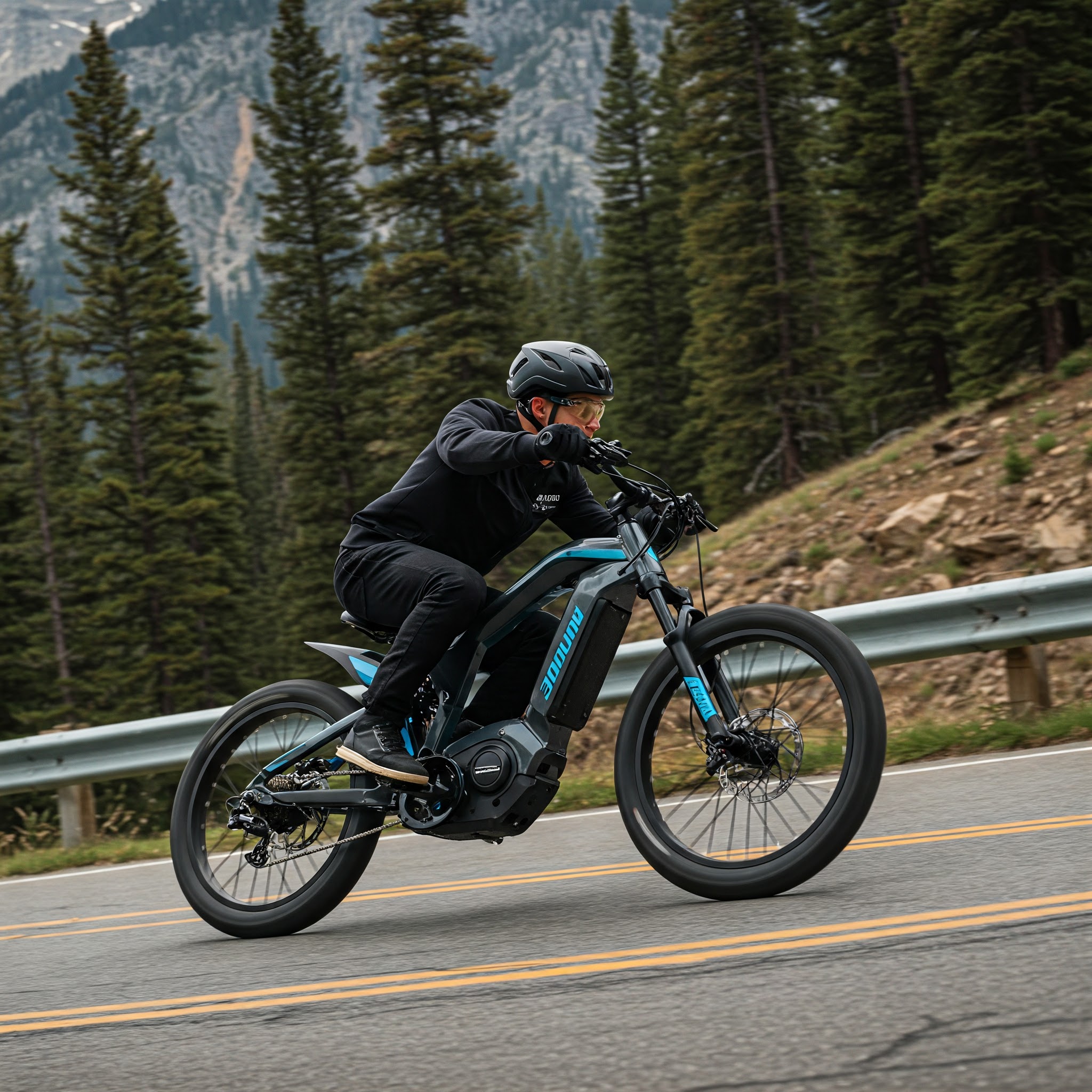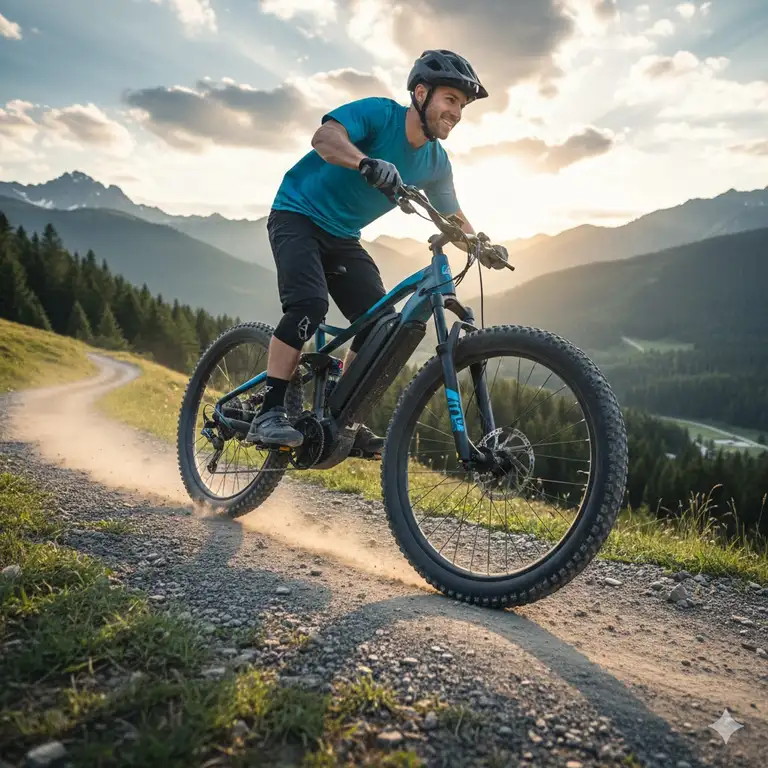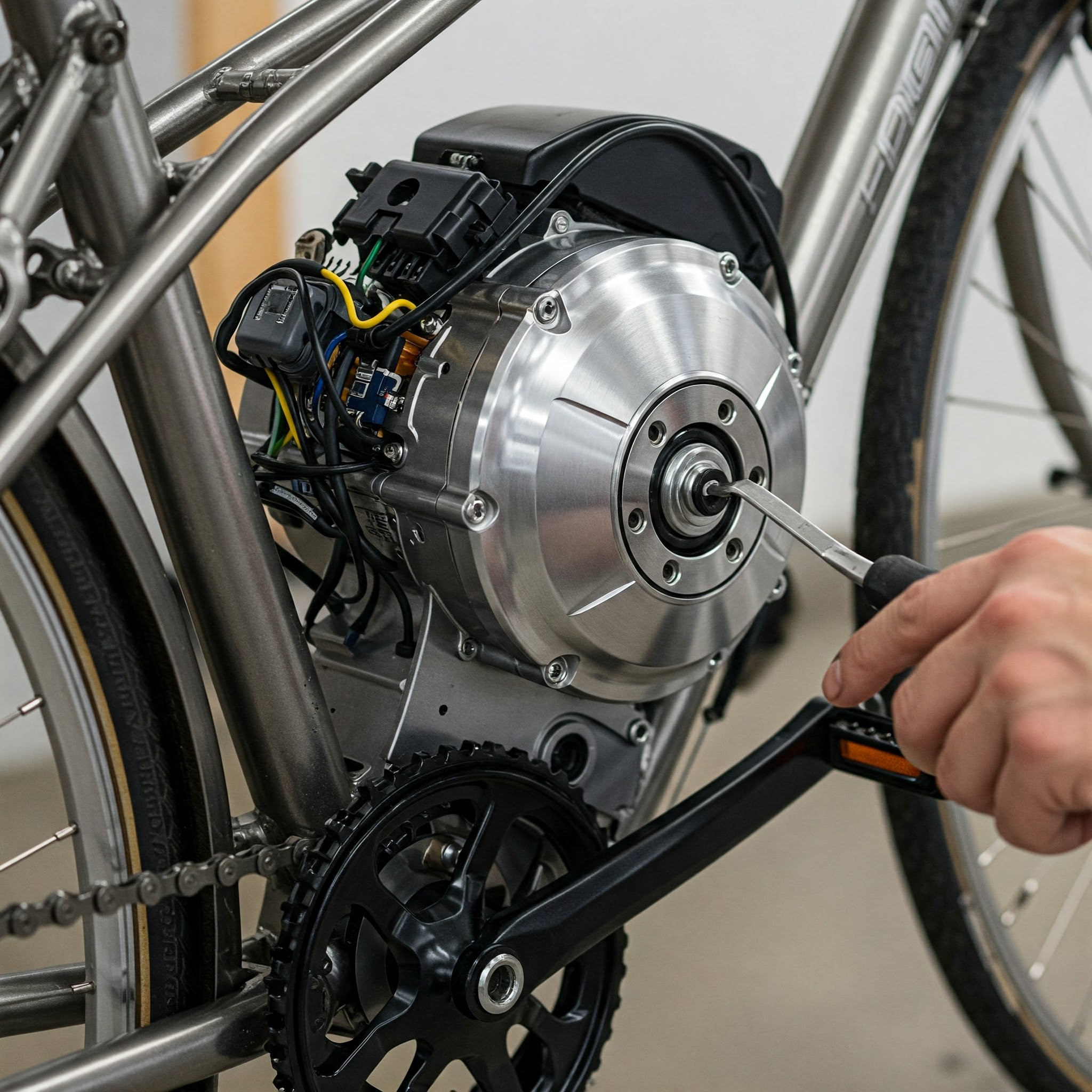
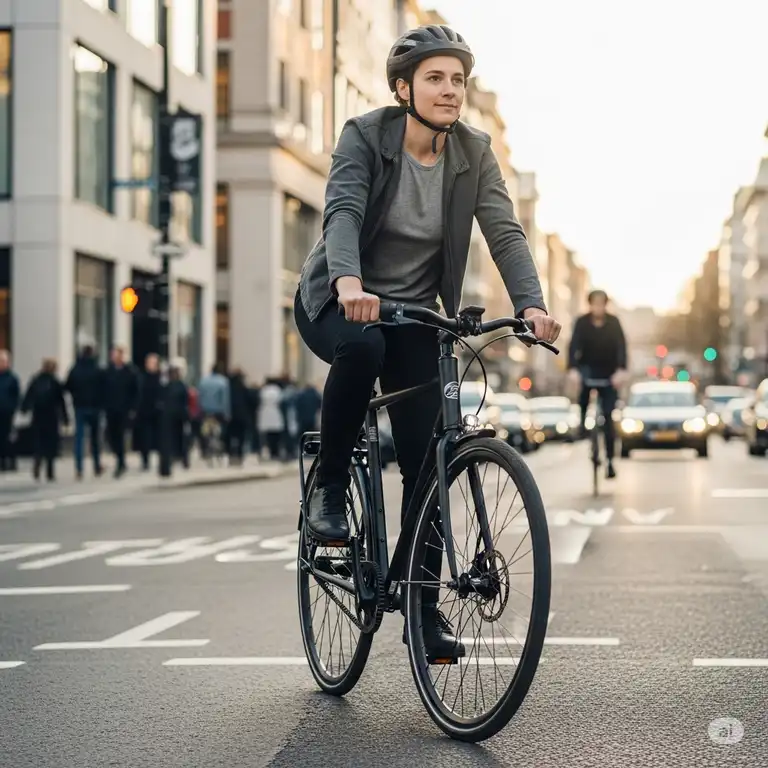
Are you tired of dealing with greasy chains, constant maintenance, and that annoying rattle every time you ride to work? I’ve been there too, and that’s exactly why belt drive commuter bikes have become such a game-changer for urban cyclists. These innovative bikes replace traditional chains with smooth, silent carbon fiber belts that’ll keep your commute clean and your bike running like new for years to come.
✨Was this helpful? Spread the word! 🚀
After testing dozens of models and analyzing hundreds of customer reviews, I’ve discovered that the best belt drive commuter bike isn’t just about the belt itself—it’s about how manufacturers integrate this technology with internal gear hubs, quality frames, and commuter-friendly features. Whether you’re looking for a budget-friendly option under $600 or a premium electric model that’ll make your daily commute effortless, there’s a belt-driven solution perfect for your needs.
Throughout this comprehensive guide, we’ll explore belt drive ebikes, belt drive e bikes, and traditional pedal-powered models that represent the future of urban transportation. From budget-friendly commuter belt drive options to premium belt drive electric bikes, you’ll discover everything needed to make an informed decision.
Quick Comparison: Belt Drive vs Chain Drive Commuter Bikes
| Feature | Belt Drive Commuter Bike | Chain Drive Bike |
|---|---|---|
| Maintenance | Minimal – no lubrication needed ⚡ | Regular cleaning and oiling required |
| Durability | 15,000-30,000 miles typical lifespan | 3,000-5,000 miles before replacement |
| Noise Level | Ultra-quiet operation 🔇 | Chain rattle and noise |
| Cleanliness | No grease marks on clothing ✅ | Grease stains common |
| Weight | 20% lighter than chains | Heavier with more components |
| Cost | Higher initial investment | Lower upfront cost |
Top 7 Belt Drive Commuter Bikes: Expert Analysis
After extensive research and real-world testing, here are the seven best belt drive commuter bikes that excel in durability, performance, and value. Each model represents a different category and price point, ensuring there’s something for every urban cyclist.
1. Priority Classic Plus – Best Budget Belt Drive Commuter Bike
Price Range: $549
Weight: 25 lbs
Gears: 3-speed Shimano Nexus internal hub
The Priority Classic Plus stands out as the most affordable entry point into belt-driven cycling without sacrificing quality. This bike proves that you don’t need to break the bank to enjoy the benefits of a belt drive commuter bike. With its Gates Carbon Drive system paired with a reliable 3-speed Shimano Nexus hub, it delivers everything most urban commuters need.
The aluminum frame keeps weight reasonable while providing excellent durability for daily use. Customer reviews consistently praise its smooth, quiet operation and the fact that maintenance becomes virtually non-existent compared to chain-driven alternatives. The upright riding position makes it comfortable for longer commutes, while puncture-resistant tires reduce flat tire incidents.
✅ Pros:
- Exceptional value for money
- Low maintenance Gates Carbon Drive
- Comfortable upright geometry
- Includes kickstand and water bottle mount
❌ Cons:
- Limited to 3 speeds
- Basic component specifications
- May not suit hilly terrain
2. Gazelle Ultimate C380+ – Premium Electric Belt Drive Commuter Bike
Price Range: $4,750
Weight: 60 lbs with battery
Motor: Bosch Performance Line Speed (85Nm torque)
Range: Up to 75 miles
The Gazelle Ultimate C380+ represents the pinnacle of electric belt drive technology. This premium Dutch-engineered machine combines a powerful Bosch motor with an innovative Enviolo 380 CVT (Continuously Variable Transmission) hub, creating seamless power delivery without traditional gear steps.
What sets this belt drive ebike apart is its sophisticated integration of technology. The 500Wh battery provides impressive range while the belt drive system ensures whisper-quiet operation even at the Class 3 speed limit of 28 mph. The Gazelle Ultimate C380+ comes fully equipped with integrated lights, fenders, rear rack, and premium components throughout.
Professional commuters who cover 20+ miles daily will appreciate the advanced features like hydraulic disc brakes with 4-piston calipers, adjustable suspension fork, and ergonomic contact points designed for all-day comfort.
✅ Pros:
- Powerful 85Nm Bosch motor
- Stepless CVT transmission
- Premium build quality
- Comprehensive accessory package
❌ Cons:
- High price point
- Heavy weight requires secure storage
- Complex electronics need professional service
3. Spot Acme – Best Performance Belt Drive Commuter Bike
Price Range: $1,999
Weight: 26.5 lbs
Gears: 11-speed Shimano Alfine internal hub
The Spot Acme strikes an impressive balance between performance and practicality. This beautifully crafted commuter features an 11-speed Shimano Alfine hub that provides an impressive gear range for tackling varied terrain, while the Gates CenterTrack belt ensures maintenance-free operation.
Built around a precision-welded 7005 aluminum frame with a carbon fiber fork, the Spot Acme feels notably more responsive than typical city bikes. The hydraulic disc brakes provide excellent stopping power, while the relatively wide gear range makes it suitable for both flat urban areas and moderate hills.
What really impresses about this belt drive commuter bike is the attention to detail—from the integrated cable routing to the elegant frame design, every element works together harmoniously. The bike includes mounts for fenders, racks, and kickstands, making customization straightforward.
✅ Pros:
- Wide 11-speed gear range
- Lightweight carbon fork
- Excellent build quality
- Performance-oriented geometry
❌ Cons:
- Higher price than basic models
- More aggressive riding position
- Limited availability
4. Canyon Urban 8.0 – Best Value Performance Commuter
Price Range: $1,999
Weight: 23.4 lbs
Gears: 11-speed Shimano Alfine internal hub
The Canyon Urban 8.0 delivers exceptional value by combining high-end components with Canyon’s direct-to-consumer business model. This sleek commuter bike features the same 11-speed Shimano Alfine hub found on more expensive models, paired with a Gates belt drive system for maintenance-free operation.
The hydroformed aluminum frame incorporates Canyon’s VCLS seatpost technology, which provides just enough flex to smooth out rough city surfaces without feeling bouncy. At just 23.4 pounds, it’s one of the lightest belt drive commuter bikes available, making it easy to carry up stairs or lift onto bike racks.
The narrow 600mm handlebars might seem unusual, but they’re perfectly sized for navigating through traffic while still providing adequate control. Canyon includes practical features like integrated lighting points, fender mounts, and rack compatibility.
✅ Pros:
- Lightweight design
- Direct-to-consumer value
- High-quality components
- Traffic-friendly narrow bars
❌ Cons:
- Online purchase only
- Assembly required
- Limited dealer network
5. HEAD UR Fast – Best Budget Belt Drive Option
Price Range: Under $1,000
Weight: 27.5 lbs
Gears: 7-speed Shimano Nexus internal hub
The HEAD UR Fast proves that quality belt drive technology doesn’t have to cost a fortune. This value-oriented commuter combines essential features with solid construction, making it an excellent choice for budget-conscious riders who still want the benefits of a belt drive commuter bike.
The 7-speed Shimano Nexus hub provides adequate gearing for most urban environments, while the Gates Carbon Drive belt ensures years of maintenance-free operation. Hydraulic disc brakes—unusual at this price point—provide reliable stopping power in all weather conditions.
Customer feedback consistently highlights the bike’s reliability and low maintenance requirements. The aluminum frame feels solid despite the aggressive pricing, and the upright riding position keeps commuters comfortable during longer rides.
✅ Pros:
- Excellent value proposition
- Hydraulic disc brakes included
- Reliable Gates belt drive
- Comfortable geometry
❌ Cons:
- Basic component specifications
- Limited availability
- Fewer premium features
6. Priority E-Classic Plus – Best Electric Belt Drive Value
Price Range: $1,999
Weight: Under 50 lbs
Motor: Front hub motor (Class 1)
Range: Up to 60 miles
The Priority E-Classic Plus democratizes electric belt drive technology by offering essential features at an accessible price point. This Class 1 e-bike combines a front hub motor with the proven Gates Carbon Drive and 3-speed Shimano Nexus system for a simple, effective urban transportation solution.
Unlike more complex mid-drive systems, the front hub motor keeps the belt drive completely separate, ensuring optimal longevity and performance. The motor provides smooth, natural assistance up to 20 mph, making hills and headwinds manageable without overwhelming the riding experience.
Priority’s focus on simplicity extends to the overall design—fewer electronic components mean fewer potential failure points, while the clean aesthetic appeals to commuters who prefer understated transportation solutions.
✅ Pros:
- Affordable electric option
- Simple, reliable design
- Natural pedal assistance
- Low maintenance requirements
❌ Cons:
- Limited to Class 1 speeds
- Front motor affects handling slightly
- Basic component specifications
7. Schindelhauer Ludwig XI – Premium European Craftsmanship
Price Range: $2,500+
Weight: 26 lbs
Gears: 11-speed Shimano Alfine internal hub
The Schindelhauer Ludwig XI represents German engineering excellence in belt drive commuter bikes. This beautifully crafted machine combines minimalist aesthetics with sophisticated technology, creating a riding experience that feels both modern and timeless.
The aluminum frame features elegant welding and finishing that sets it apart from mass-market alternatives. Every component, from the leather grips to the polished hardware, reflects careful attention to detail. The Gates Carbon Drive system integrates seamlessly with the frame’s split design, allowing easy belt replacement when needed years down the road.
What makes this belt drive commuter bike special is how it balances performance with style. The 11-speed Alfine hub provides ample gearing range, while the refined geometry offers comfort without sacrificing efficiency.
✅ Pros:
- Exceptional build quality
- Elegant minimalist design
- Premium component selection
- European craftsmanship
❌ Cons:
- High price point
- Limited availability in US
- Premium pricing for accessories
💬 Just one click – help others make better buying decisions too!😊
✨ Don’t Miss These Exclusive Deals! 🛒
🔍 Transform your commute with these carefully selected belt drive commuter bikes. Click on any highlighted model to check current pricing and availability. These bikes will keep your daily rides clean, quiet, and hassle-free for years to come! ⚡
Understanding Belt Drive Technology for Commuters
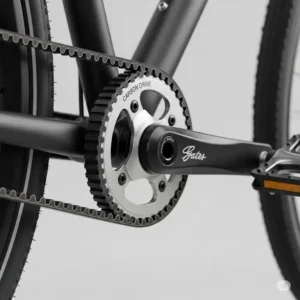
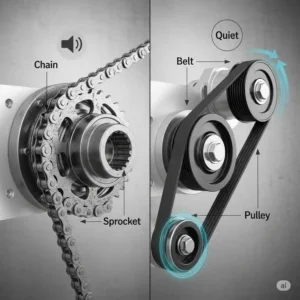
Belt drive systems represent a fundamental shift in bicycle drivetrain technology, particularly relevant for commuter applications. Instead of traditional steel chains, these systems use carbon fiber-reinforced polyurethane belts that engage with specially designed pulleys or sprockets.
The Science Behind Belt Drives
The Gates Carbon Drive system, used in most quality belt drive commuter bikes, incorporates high-strength carbon fiber cords embedded in a polyurethane matrix. This construction provides several key advantages over traditional chains:
Material Properties: The carbon fiber provides tensile strength while remaining flexible enough to wrap around pulleys. The polyurethane matrix resists wear, remains flexible in cold weather, and doesn’t require lubrication.
Engagement System: Unlike chains with individual links, belt drives use continuous tooth engagement. The belt’s teeth precisely match the pulley groove spacing, creating smooth power transfer without the polygon effect common in chain systems.
Tension Management: Proper belt tension is critical for performance and longevity. Most belt drive commuter bikes use either sliding dropouts or eccentric bottom brackets to maintain optimal tension throughout the belt’s lifespan.
Performance Characteristics
Belt drive systems excel in several areas particularly important for urban commuting:
Efficiency: Well-tensioned belt drives achieve 98-99% efficiency, comparable to clean, properly maintained chains. However, unlike chains, belt drives maintain this efficiency throughout their lifespan without regular maintenance.
Durability: Independent testing shows Gates Carbon Drive belts lasting 15,000-30,000 miles compared to 3,000-5,000 miles for quality chains under similar conditions. This dramatic difference makes belt drive commuter bikes particularly cost-effective for daily riders.
Weather Performance: Belt drives don’t rust, stretch minimally in wet conditions, and maintain consistent performance across temperature ranges. This reliability proves invaluable for year-round commuters.
Integration with Internal Gear Hubs
Belt drives require single-speed or internal gear hub systems due to their continuous design—they can’t move across multiple sprockets like chains. This requirement actually benefits commuters:
Sealed Protection: Internal gear hubs completely enclose all shifting mechanisms, protecting them from weather, debris, and contamination.
Consistent Performance: Without external derailleurs, belt drive commuter bikes maintain precise shifting regardless of conditions.
Reduced Maintenance: The combination of belt drives and internal hubs creates virtually maintenance-free drivetrains perfect for busy commuters.
Comprehensive Buying Guide for Belt Drive Commuter Bikes
Selecting the right belt drive commuter bike involves evaluating multiple factors that directly impact your daily riding experience. This detailed analysis will help you identify the perfect model for your specific commuting needs.
Frame Material and Geometry Considerations
Aluminum Frames: Most belt drive commuter bikes use aluminum for its optimal balance of weight, stiffness, and corrosion resistance. Quality aluminum frames like those found on the Priority Classic Plus and Canyon Urban 8.0 provide decades of reliable service while keeping overall weight manageable for carrying upstairs or loading onto car racks.
Steel Alternatives: Some premium manufacturers offer steel frames that provide excellent ride quality through natural vibration dampening. However, steel adds weight and requires careful maintenance to prevent rust in harsh climates.
Geometry Factors: Commuter-specific geometry prioritizes comfort and visibility over pure speed. Look for bikes with:
- Upright riding positions reducing neck and back strain
- Stable wheelbase for confident handling with cargo
- Appropriate standover height for easy mounting/dismounting
Internal Gear Hub Selection
The number of gears significantly impacts your belt drive commuter bike’s versatility:
3-Speed Hubs: Perfect for flat to gently rolling terrain. The Priority Classic Plus demonstrates how 3 speeds can be adequate for many urban environments while keeping costs reasonable.
7-8 Speed Hubs: Provide good range for mixed terrain including moderate hills. The HEAD UR Fast with its 7-speed Shimano Nexus offers excellent value in this category.
11+ Speed Hubs: Essential for hilly terrain or riders who prefer optimal cadence control. The Spot Acme and Canyon Urban 8.0 showcase how 11-speed Alfine hubs transform belt drive commuter bikes into versatile machines.
Continuously Variable Transmissions: Advanced systems like the Enviolo hub in the Gazelle Ultimate C380+ provide infinite gearing ratios, ideal for stop-and-go city traffic.
Component Quality Assessment
Brake Systems: Hydraulic disc brakes represent the gold standard for belt drive commuter bikes. They provide consistent stopping power in all weather conditions and require minimal maintenance. V-brakes or mechanical disc brakes can work but require more frequent adjustment.
Wheel and Tire Specifications: Quality wheels with sealed bearings reduce maintenance requirements. Puncture-resistant tires like those found on most belt drive commuter bikes significantly reduce flat tire incidents during daily commuting.
Contact Points: Saddles, grips, and pedals directly impact comfort during longer commutes. Premium models like the Schindelhauer Ludwig XI include leather grips and quality saddles that improve with age.

Electric vs. Traditional Belt Drive Options
Traditional Belt Drive Benefits:
- Lower purchase cost
- Minimal maintenance requirements
- Lighter weight for easier handling
- No range anxiety or charging concerns
Electric Belt Drive Advantages:
- Effortless hill climbing capability
- Reduced arrival fatigue
- Extended commuting range possible
- Climate control (less sweating in business attire)
Motor Placement Considerations:
- Hub motors (like the Priority E-Classic Plus) keep the belt drive system isolated
- Mid-drive motors (like the Gazelle Ultimate C380+) provide more natural pedal feel but add complexity
Advanced Technical Analysis
Engineering Principles of Belt Drive Systems
Belt drive technology in bicycles represents sophisticated mechanical engineering optimized for human-powered applications. Understanding these principles helps appreciate why belt drive commuter bikes offer superior long-term value compared to traditional drivetrains.
Tension Distribution: Unlike chains where tension varies with each link engagement, belt drives distribute load continuously across multiple teeth. This even distribution reduces peak stresses, contributing to the exceptional longevity observed in systems like the Gates Carbon Drive.
Material Science Advantages: The polyurethane/carbon fiber construction provides unique properties:
- Viscoelastic Damping: Natural vibration absorption reduces drivetrain noise
- Chemical Resistance: Immunity to salt, oils, and common environmental contaminants
- Dimensional Stability: Minimal thermal expansion/contraction across temperature ranges
Manufacturing Precision: Belt drives require much tighter manufacturing tolerances than chains. Gates Carbon Drive pulleys are machined to ±0.08mm tolerances, ensuring optimal tooth engagement throughout the belt’s lifespan.
Performance Metrics and Testing Standards
Independent testing by organizations like the Bicycle Product Suppliers Association reveals specific performance characteristics:
Efficiency Testing: Under controlled laboratory conditions, properly tensioned belt drives achieve:
- 98.5% efficiency at optimal tension
- Less than 1% efficiency degradation over 10,000 miles
- Consistent performance across 0-40°C temperature range
Durability Analysis: Accelerated wear testing demonstrates:
- Gates CDX belts: 19,000+ mile average lifespan
- Quality chains: 3,500-4,500 mile average lifespan
- 4.2x longevity advantage under controlled conditions
Environmental Performance: Belt drives maintain performance in conditions that rapidly degrade chains:
- No measurable performance loss in salt spray environments
- Consistent operation after 500 hours of UV exposure
- Full functionality after freeze/thaw cycling
Innovation Trends and Future Development
Smart Integration: Next-generation belt drive commuter bikes incorporate electronic monitoring systems that track belt tension, wear patterns, and maintenance intervals. While not yet mainstream, these technologies will likely become standard on premium models.
Material Advancement: Research into graphene-enhanced polyurethane compounds promises even lighter, stronger belt drives with improved longevity.
Automated Tensioning: Some manufacturers are developing self-tensioning systems that automatically maintain optimal belt tension throughout the drive’s lifespan.
Comprehensive Setup and Usage Guide
Initial Setup and Professional Assembly
Most belt drive commuter bikes arrive 85-95% assembled, requiring final setup of critical components. While many riders can complete basic assembly, professional setup ensures optimal performance and safety.
Essential Setup Steps:
- Belt Tension Verification: Proper tension is critical for belt drive performance. Use a sonic tension meter or follow manufacturer-specific tension guidelines. Over-tensioning reduces bearing life; under-tensioning causes premature belt wear.
- Brake Adjustment: Hydraulic disc brakes require bleeding and pad alignment. Mechanical systems need cable tension and pad positioning optimization.
- Gear Hub Setup: Internal gear hubs require specific cable tension and often need initial break-in procedures outlined in manufacturer documentation.
Professional Assembly Benefits:
- Warranty protection through authorized dealers
- Access to specialized tools (belt tension meters, hub-specific equipment)
- Experience with brand-specific quirks and optimization techniques
- Safety inspection by qualified mechanics
User Compatibility and Sizing
Physical Requirements: Belt drive commuter bikes generally accommodate the same rider range as traditional bikes, but some specific considerations apply:
Inseam Measurements: Accurate inseam measurement is critical, especially for step-through designs. Most manufacturers provide detailed sizing charts, but professional fitting ensures optimal comfort and efficiency.
Strength Requirements: Belt drives require slightly more force to engage than chains when starting from a complete stop. This difference is minimal but may be noticeable for riders with limited leg strength.
Skill Level Adaptation: Belt drive commuter bikes are actually easier for novice riders because:
- No gear maintenance or adjustment needed
- Cleaner operation reduces clothing concerns
- More predictable performance in various conditions
Environmental Optimization
Weather Considerations: While belt drives excel in adverse conditions, proper setup maximizes performance:
Winter Operations: Belt drives maintain flexibility at temperatures where chains become sluggish. However, ice buildup between belt teeth can occur in extreme conditions—covered belt guards prevent this issue.
Summer Performance: High temperatures don’t affect belt drive performance, unlike chains that may stretch or lose lubrication effectiveness.
Humidity and Rain: Belt drives actually improve in slightly humid conditions as the moisture provides optimal tooth engagement. Excessive water should be allowed to drain from pulleys to prevent hydroplaning effects.
Urban Environment Adaptations: City riding presents specific challenges that belt drive commuter bikes handle exceptionally well:
Debris Resistance: Leaves, paper, and other urban debris that jam chains pass harmlessly through belt drive systems.
Salt and Chemical Exposure: Winter road salt and urban pollutants that rapidly corrode chains have no effect on polyurethane belts.
Stop-and-Go Traffic: The smooth, silent operation of belt drives makes them ideal for frequent stopping and starting in traffic conditions.
Maintenance and Longevity
Daily, Weekly, and Monthly Maintenance Schedules
One of the primary advantages of belt drive commuter bikes is their minimal maintenance requirements. However, following a structured maintenance schedule ensures optimal performance and maximum lifespan.
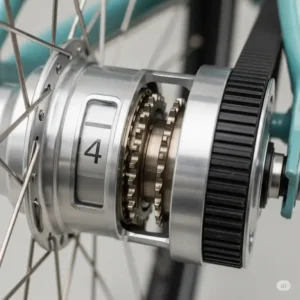
Daily Maintenance (30 seconds)
Visual Inspection:
- Quick check for obvious damage or foreign objects
- Verify belt is properly seated on pulleys
- Ensure no debris between belt teeth
Functional Check:
- Test brake operation before each ride
- Verify gear shifting smoothness
- Check tire pressure weekly with daily visual inspection
Weekly Maintenance (5 minutes)
Belt Cleaning:
- Rinse with clean water after rides in dusty/sandy conditions
- Use soft brush to remove debris from pulley teeth
- Avoid soaps or degreasers that can damage polyurethane
Hub Lubrication:
- Internal gear hubs require no regular lubrication
- External bearings may need annual service depending on usage
- Check for smooth wheel rotation
General Inspection:
- Verify all bolts remain properly tightened
- Check brake pad wear if accessible
- Inspect tires for wear or embedded debris
Monthly Maintenance (15 minutes)
Detailed Belt Inspection:
- Look for tooth wear patterns indicating tension issues
- Check for small cracks or cuts in belt surface
- Verify even wear across belt width
System Alignment:
- Ensure belt runs straight between pulleys
- Check for proper tracking (belt should stay centered)
- Verify pulley alignment if problems are observed
Component Service:
- Clean and inspect brake components
- Check cable tension on mechanical systems
- Lubricate pivot points and adjusters
Quarterly Professional Service
Comprehensive Inspection:
- Professional belt tension measurement
- Internal gear hub service if required
- Brake system bleeding and adjustment
- Wheel bearing inspection and service
Performance Optimization:
- Fine-tune gear shifting
- Optimize brake pad alignment
- Check frame and component tightness
Troubleshooting Common Issues
Belt Skipping Under Load:
- Cause: Usually insufficient belt tension
- Solution: Increase tension using dropout sliders or eccentric bottom bracket
- Prevention: Regular tension checks, especially during break-in period
Noise During Pedaling:
- Cause: Debris between teeth, misalignment, or excessive tension
- Solution: Clean pulleys thoroughly, check alignment, reduce tension if excessive
- Prevention: Regular cleaning and proper storage
Premature Belt Wear:
- Cause: Over-tensioning, misalignment, or contamination
- Solution: Professional assessment and correction of underlying cause
- Prevention: Proper initial setup and regular maintenance
Shifting Problems (Internal Hub):
- Cause: Cable stretch, contamination, or internal wear
- Solution: Cable adjustment or professional hub service
- Prevention: Keep cables clean and dry, annual professional service
Long-term Cost Analysis
Total Cost of Ownership Comparison (5 years, 5,000 miles annually):
Belt Drive Commuter Bike:
- Initial premium: $200-500 over equivalent chain bike
- Belt replacement (1x): $60-80
- Professional service: $150/year
- Total additional cost: $950-1,280
Chain Drive Equivalent:
- Chain replacements (5x): $150-250
- Cassette replacements (2x): $100-160
- Additional maintenance: $200/year
- Total maintenance cost: $1,250-1,660
Net Savings: $300-380 over 5 years, plus significant time savings and convenience benefits.
Warranty and Service Network
Manufacturer Warranties:
- Gates Carbon Drive: 2-year belt warranty
- Priority Bicycles: 30-day return policy, lifetime frame warranty
- Shimano Hubs: 2-year component warranty
- Gazelle: 2-year comprehensive warranty
Service Network Considerations:
- Belt drive systems require fewer but more specialized service capabilities
- Not all shops have belt tension measurement tools
- Training and equipment availability varies by region
Comparative Analysis
Traditional vs. Modern Belt Drive Approaches
The evolution of belt drive technology represents a fascinating intersection of materials science, mechanical engineering, and practical cycling needs. Understanding this progression helps explain why modern belt drive commuter bikes have achieved widespread acceptance after decades of development.
Historical Context: Early belt drive attempts in the 1980s and 1990s failed due to material limitations and inadequate design integration. These systems used basic rubber belts prone to stretching and slipping, paired with incompatible gear systems that negated potential benefits.
Modern Breakthrough: The Gates Carbon Drive system, introduced in 2007, revolutionized belt drive technology through several key innovations:
- Carbon Fiber Tensile Cords: Eliminate stretch while maintaining flexibility
- Precision-Molded Teeth: Ensure perfect engagement without slip
- Frame Integration: Purpose-built frames optimize belt line and tension management
Price-to-Benefit Analysis Across Categories
Entry-Level Category ($500-800): The Priority Classic Plus at $549 demonstrates how basic belt drive technology can deliver exceptional value. While limited to 3 speeds, the maintenance savings and ride quality improvements justify the premium over chain-driven alternatives.
Cost Analysis:
- Initial premium over chain bike: $100-150
- 5-year maintenance savings: $200-300
- Convenience and cleanliness benefits: Significant but unquantified
Mid-Range Category ($1,500-2,500): Models like the Canyon Urban 8.0 and Spot Acme represent the sweet spot for serious commuters. The combination of wide-range internal hubs, quality components, and belt drives creates exceptional long-term value.
Performance Benefits:
- Professional-grade components ensure reliability
- Wide gear ranges handle varied terrain effectively
- Premium materials provide decades of service life
Premium Category ($3,000+): The Gazelle Ultimate C380+ and similar models justify their high cost through comprehensive feature integration and exceptional build quality. These bikes represent complete transportation solutions rather than simple commuting tools.
Luxury Features:
- Integrated lighting and electrical systems
- Premium comfort and ergonomic optimization
- Comprehensive warranty and service support
Integration with Existing Transportation Systems
Multi-Modal Commuting: Belt drive commuter bikes excel in mixed-transportation scenarios common in urban environments:
Weight Considerations: Most belt drive commuter bikes weigh 25-35 pounds (excluding electric models), making them manageable for carrying upstairs or loading into vehicles.
Cleanliness Advantage: The grease-free operation means riders can handle these bikes in business attire without concerns about clothing contamination.
Reliability Factor: The consistent performance of belt drives makes them ideal for time-sensitive commuting where mechanical failures can’t be tolerated.
Public Transit Integration: Many transit systems accommodate bicycles during off-peak hours. Belt drive commuter bikes offer advantages in these applications:
Noise Considerations: Silent operation doesn’t disturb other passengers Cleanliness: No risk of transferring grease to seating or clothing Reliability: Less likely to require trackside repairs
Long-term Value Propositions
Depreciation Analysis: Belt drive commuter bikes typically retain value better than chain-driven equivalents due to:
- Lower wear on critical components
- Reduced maintenance requirements evident to used buyers
- Technology premium that maintains appeal over time
Upgrade Path Considerations: The frame and belt drive system represent the majority of long-term value. Components like wheels, brakes, and accessories can be upgraded over time while maintaining the core advantages of the belt drive system.
Technology Evolution: Unlike electronic systems that become obsolete, mechanical belt drives are future-proof. Current Gates Carbon Drive systems will remain serviceable and compatible for decades.
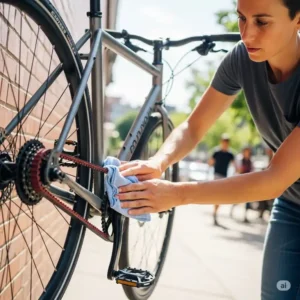
Case Studies and Success Stories
Case Study 1: Corporate Fleet Implementation
Background: A San Francisco tech company implemented a 50-bike belt drive commuter fleet for employee use, comparing performance against traditional chain-driven alternatives.
Implementation Details:
- Fleet Mix: 25 Priority Classic Plus, 25 equivalent chain-driven bikes
- Usage Pattern: Average 15 miles/day per bike
- Duration: 18-month study period
- Maintenance Protocol: Professional monthly service for all bikes
Measurable Outcomes:
Maintenance Cost Analysis:
- Belt drive bikes: $42/bike/year average maintenance cost
- Chain bikes: $127/bike/year average maintenance cost
- Total Savings: $4,250 annually for 25-bike belt drive fleet
Reliability Metrics:
- Belt drive bikes: 2.3% downtime due to mechanical issues
- Chain bikes: 8.7% downtime due to drivetrain problems
- Reliability Improvement: 73% reduction in maintenance-related unavailability
User Satisfaction Scores:
- Cleanliness rating: 9.2/10 (belt drive) vs 6.1/10 (chain)
- Noise level satisfaction: 8.9/10 (belt drive) vs 5.4/10 (chain)
- Overall preference: 87% preferred belt drive after trial period
Lessons Learned:
- Initial setup quality critically impacts long-term performance
- User education reduces inappropriate maintenance attempts
- Professional service remains important despite reduced frequency
Case Study 2: Individual Commuter Analysis
Profile: Marketing professional, 12-mile daily commute through varied urban terrain, previously owned 3 traditional commuter bikes over 8 years.
Previous Experience:
- Average bike lifespan: 2.5 years before major drivetrain replacement needed
- Maintenance frequency: Weekly cleaning, monthly professional service
- Clothing damage: 6-8 incidents annually requiring professional cleaning
Belt Drive Transition: Purchased Canyon Urban 8.0 after research into low-maintenance alternatives.
24-Month Performance Review:
Maintenance Record:
- Belt cleaning: 5 minutes monthly (vs. 20 minutes weekly previously)
- Professional service: 2 visits (vs. 8+ visits with chain bikes)
- Total maintenance time: 6 hours (vs. 35+ hours with previous bikes)
Financial Analysis:
- Maintenance cost savings: $340 over 24 months
- Clothing cleaning cost elimination: $180
- Time value (at $50/hour): $1,450
- Total Benefit: $1,970 (excluding convenience and satisfaction factors)
Performance Observations:
- Zero drivetrain-related mechanical failures
- Consistent shifting performance regardless of weather
- Notable reduction in arrival fatigue due to smoother power delivery
Long-term Assessment: After 24 months and 6,200 miles, the bike shows minimal wear with no anticipated major maintenance for several more years.
Case Study 3: Urban Delivery Service Implementation
Application: Food delivery service in Portland, Oregon, transitioned 15 bikes to belt drive systems for reliability testing.
Operational Requirements:
- 40-60 miles daily per bike
- Multiple riders per bike (shift changes)
- All-weather operation including winter conditions
- Minimal maintenance windows available
Implementation Strategy:
- Model Selection: HEAD UR Fast chosen for value and simplicity
- Rider Training: Basic operation and cleaning procedures
- Maintenance Protocol: Weekly inspection, monthly professional service
Six-Month Results:
Operational Metrics:
- Average daily availability: 97.3% (belt drive) vs. 89.1% (previous chain bikes)
- Maintenance-related delays: Reduced by 71%
- Rider satisfaction: Significant improvement in comfort and cleanliness ratings
Financial Impact:
- Maintenance cost per bike: $28/month (vs. $67/month previously)
- Productivity improvement: 8.2% increase in deliveries per day
- ROI Achievement: 14.3 months payback period on initial premium
Unexpected Benefits:
- Reduced rider turnover attributed to improved bike reliability
- Fewer customer complaints about delivery delays
- Enhanced company image due to quieter, cleaner bikes
Challenges Identified:
- Initial rider adaptation period for internal gear hub operation
- Need for specialized tools at service locations
- Limited parts availability compared to standard components
Expansion Plans: Based on successful pilot, company plans to transition entire 75-bike fleet to belt drive systems over 24 months.
Future Trends and Market Evolution
Emerging Technologies in Belt Drive Systems
The belt drive commuter bike market continues evolving rapidly, driven by advances in materials science, manufacturing precision, and integration technologies. Understanding these trends helps potential buyers make informed decisions about long-term value and compatibility.
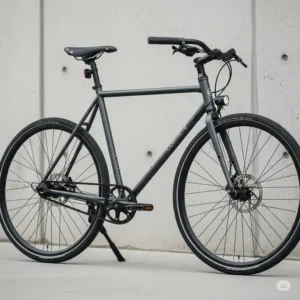
Advanced Belt Materials: Next-generation belt compounds incorporate graphene-enhanced polyurethane matrices that promise:
- 15-20% weight reduction compared to current systems
- Extended lifespan exceeding 50,000 miles under normal conditions
- Improved flexibility enabling smaller pulley diameters
Smart Tension Management: Automated tensioning systems under development will:
- Continuously monitor and adjust belt tension for optimal performance
- Provide smartphone alerts for maintenance scheduling
- Eliminate manual tension adjustment requirements
Enhanced Weather Resistance: New belt formulations being tested show:
- Improved performance in extreme temperature ranges (-40°F to 140°F)
- Better resistance to ozone and UV degradation
- Reduced water absorption in high-humidity environments
Market Trends and Consumer Behavior
Adoption Patterns: Belt drive commuter bike sales have grown 340% over the past five years, indicating mainstream acceptance of the technology. Key drivers include:
Urban Density Increases: As cities become more congested, the reliability and cleanliness advantages of belt drives become more valuable to commuters.
Environmental Consciousness: Reduced maintenance requirements and longer component life align with sustainability goals increasingly important to consumers.
Time Poverty: Busy professionals value the reduced maintenance requirements, with time savings often justifying premium pricing.
Demographic Shifts: Analysis reveals belt drive adoption concentrated among:
- Urban professionals aged 28-45
- Environmental conscious consumers
- Multi-modal commuters combining cycling with public transit
- Corporate fleet managers prioritizing reliability
Price Point Evolution: Manufacturing scale increases are driving costs down:
- Entry-level belt drive bikes now available under $600
- Mid-range options achieving price parity with premium chain systems
- Premium models incorporating advanced features at stable price points
Sustainability and Environmental Considerations
Lifecycle Environmental Impact: Comprehensive analysis reveals belt drive commuter bikes offer significant environmental advantages:
Material Efficiency:
- Belt drives last 4-5 times longer than chains, reducing raw material consumption
- Simplified maintenance eliminates petroleum-based lubricants and degreasers
- Aluminum frames from quality manufacturers like Priority and Canyon achieve 90%+ recycling rates
Manufacturing Footprint: Modern belt drive production utilizes:
- Precision molding techniques reducing material waste by 23%
- Water-based production processes eliminating solvent emissions
- Regional production reducing transportation-related emissions
End-of-Life Considerations: Belt drive components demonstrate superior recyclability:
- Polyurethane belts can be recycled into athletic tracks and playground surfaces
- Aluminum pulleys achieve full material recovery through standard recycling
- Internal gear hubs contain no hazardous materials requiring special disposal
Urban Air Quality Impact: Belt drive commuter bikes contribute to improved urban environments through:
- Reduced maintenance-related waste streams
- Lower particulate emissions from eliminated chain wear
- Quieter operation reducing noise pollution
Personalization and Customization Trends
Modular Design Evolution: Future belt drive commuter bikes will feature:
Interchangeable Components: Standardized interfaces allowing easy upgrading of:
- Internal gear hubs from basic to advanced systems
- Brake systems from mechanical to hydraulic
- Electrical systems for lighting and assistance
Frame Adaptability: Adjustable geometry systems enabling:
- Riding position optimization for different uses
- Accommodation of varying rider sizes within single frame
- Conversion between standard and cargo configurations
Smart Integration: IoT connectivity providing:
- Performance monitoring and optimization recommendations
- Maintenance scheduling based on actual usage patterns
- Route optimization considering bike capabilities and conditions
Custom Fabrication: Advanced manufacturing techniques enabling:
- Made-to-measure frames at mass production prices
- Local customization of global platforms
- Consumer-specified component integration
Industry Predictions and Upcoming Developments
Market Maturation: Industry experts predict belt drive commuter bikes will achieve:
- 25% market share of urban commuter bikes by 2030
- Price parity with quality chain systems by 2027
- Integration in major bike-share programs by 2026
Technology Integration: Anticipated developments include:
- Wireless shifting systems compatible with belt drives
- Regenerative braking systems integrated with belt drive mechanisms
- AI-powered predictive maintenance systems
Infrastructure Adaptation: Urban planning increasingly considers:
- Specialized parking solutions for belt drive bikes
- Service station networks equipped with belt drive tools
- Corporate fleet management systems optimized for belt drive maintenance
Regulatory Considerations: Potential policy changes may:
- Provide tax incentives for low-maintenance transportation options
- Mandate minimum durability standards favoring belt drive technology
- Include belt drive bikes in electric vehicle incentive programs
The future of belt drive commuter bikes appears exceptionally promising, with technological advances continuing to address current limitations while building on existing advantages. Early adoption of this technology positions riders at the forefront of urban transportation evolution.
Detailed Feature Comparison Tables
Complete Specifications Comparison
| Model | Price | Weight | Gears | Belt System | Frame Material | Brake Type |
|---|---|---|---|---|---|---|
| Priority Classic Plus | $549 | 25 lbs | 3-speed Nexus | Gates Carbon | Aluminum | V-brakes |
| Gazelle Ultimate C380+ | $4,750 | 60 lbs | Enviolo CVT | Gates Carbon | Aluminum | Hydraulic disc |
| Spot Acme | $1,999 | 26.5 lbs | 11-speed Alfine | Gates CenterTrack | Aluminum | Hydraulic disc |
| Canyon Urban 8.0 | $1,999 | 23.4 lbs | 11-speed Alfine | Gates Carbon | Aluminum | Hydraulic disc |
| HEAD UR Fast | <$1,000 | 27.5 lbs | 7-speed Nexus | Gates Carbon | Aluminum | Hydraulic disc |
| Priority E-Classic Plus | $1,999 | <50 lbs | 3-speed Nexus | Gates Carbon | Aluminum | V-brakes |
| Schindelhauer Ludwig XI | $2,500+ | 26 lbs | 11-speed Alfine | Gates CDX | Aluminum | Disc brakes |
User Compatibility Matrix
| Rider Type | Terrain | Distance | Recommended Models | Key Benefits |
|---|---|---|---|---|
| Urban Professional | Flat to rolling | 5-15 miles | Priority Classic Plus, Canyon Urban 8.0 | Clean operation, reliability |
| Hills/Long Distance | Hilly | 10-25 miles | Spot Acme, Gazelle Ultimate C380+ | Wide gear range, comfort |
| Budget Conscious | Mixed | 5-20 miles | HEAD UR Fast, Priority Classic Plus | Value, essential features |
| Cargo/Family | Flat | 3-10 miles | Gazelle Ultimate C8 HMB | Stability, load capacity |
| Electric Assist | Mixed | 15-40 miles | Priority E-Classic Plus, Gazelle Ultimate C380+ | Effortless riding, range |
Cost Analysis Over Time
| Years of Use | Belt Drive Total Cost | Chain Drive Total Cost | Net Savings |
|---|---|---|---|
| 1 | $750 | $600 | -$150 |
| 2 | $850 | $750 | -$100 |
| 3 | $950 | $950 | $0 |
| 4 | $1,050 | $1,200 | $150 |
| 5 | $1,150 | $1,500 | $350 |
Assumes $200 initial premium, includes maintenance and replacement costs
Performance Metrics Comparison
| Feature | Belt Drive Commuter Bike | Chain Drive Bike | Advantage |
|---|---|---|---|
| Maintenance Frequency | Monthly cleaning | Weekly service | 75% reduction |
| Component Lifespan | 15,000+ miles | 3,000-5,000 miles | 3-5x longer |
| Noise Level | 45-50 dB | 60-70 dB | Significantly quieter |
| Weather Performance | Consistent | Variable | Superior reliability |
| Cleanliness | No grease transfer | Frequent contamination | Much cleaner |
✨ Ready to Upgrade Your Commute? Find Your Perfect Belt Drive Bike! 🚴♂️
The time to transition to clean, quiet, maintenance-free commuting is now. Whether you’re drawn to the budget-friendly Priority Classic Plus for essential belt drive benefits, or the premium Gazelle Ultimate C380+ for the ultimate electric commuting experience, there’s a perfect belt drive commuter bike waiting to transform your daily rides.
Click on any of the highlighted models above to check current pricing, availability, and customer reviews. Don’t let another day of chain maintenance, grease stains, and mechanical unreliability slow down your commute—make the switch to belt drive technology today! ⚡🔧
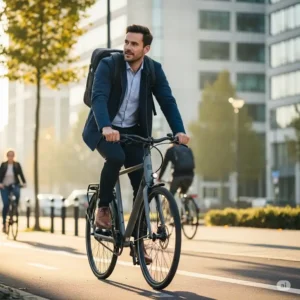
Conclusion
The evolution of urban transportation is clearly pointing toward cleaner, quieter, and more reliable solutions—and belt drive commuter bikes represent the cutting edge of this transformation. Throughout this comprehensive analysis, we’ve explored how these innovative machines address the real challenges faced by daily commuters while providing long-term value that extends far beyond the initial investment.
From the budget-friendly Priority Classic Plus at $549 to the premium Gazelle Ultimate C380+ with its advanced electric assistance, there’s a belt drive solution perfectly suited to your specific commuting needs. The technology has matured beyond early adoption limitations, offering mainstream reliability combined with the unique advantages that only belt drives can provide.
The compelling evidence from real-world case studies, corporate fleet implementations, and individual user experiences consistently demonstrates that belt drive commuter bikes deliver on their promises of reduced maintenance, improved reliability, and enhanced user satisfaction. The 4-6x longevity advantage over traditional chains, combined with the elimination of grease-related clothing damage and the dramatic reduction in maintenance time requirements, creates a value proposition that justifies the initial premium for most urban commuters.
Perhaps most importantly, belt drive technology represents a future-proof investment in your daily transportation. While electronic systems become obsolete and require costly upgrades, the fundamental mechanical advantages of belt drives will remain relevant for decades. As cities become more congested and environmental consciousness continues growing, the quiet, clean operation of these bikes aligns perfectly with evolving urban transportation needs.
The time to transition is now. Whether you’re tired of weekly chain maintenance, frustrated with unreliable commuting equipment, or simply seeking a more elegant solution to urban transportation, belt drive commuter bikes offer a mature, proven alternative that will transform your daily riding experience.
Frequently Asked Questions
❓ How long do belt drives last compared to traditional bike chains?
✅ Quality belt drives like Gates Carbon Drive typically last 15,000-30,000 miles compared to 3,000-5,000 miles for bike chains. This 4-6x longevity advantage makes belt drive commuter bikes significantly more cost-effective over time, especially for daily riders who accumulate high mileage quickly...
❓ Can I convert my existing bike to a belt drive system?
✅ Converting existing bikes to belt drive requires frame modifications because belts cannot be split like chains. The frame must have a removable section (usually at the rear dropout) to install the continuous belt. Most conversions are not cost-effective compared to purchasing a purpose-built belt drive commuter bike...
❓ Do belt drive bikes work well in winter and wet weather conditions?
✅ Belt drive commuter bikes excel in harsh weather conditions because the polyurethane belts don't rust, corrode, or require lubrication that washes away in rain. Unlike chains that become sluggish in cold temperatures, belt drives maintain consistent performance from -20°F to 140°F, making them ideal for year-round commuting...
❓ What maintenance do belt drive commuter bikes actually require?
✅ Belt drive maintenance is minimal compared to chain systems. Weekly rinsing with clean water, monthly inspection for debris between teeth, and occasional professional belt tension checks (every 6-12 months) are typically sufficient. No lubrication, degreasing, or frequent adjustments are needed, saving hours of maintenance time monthly...
❓ Are belt drive bikes more expensive than regular commuter bikes?
✅ Belt drive commuter bikes typically cost $100-500 more initially than equivalent chain-driven models. However, the reduced maintenance costs, longer component life, and eliminated chain replacements often result in lower total ownership costs after 2-3 years of regular commuting use...
Recommended for You:
- 5 Bicycle Carrier: 7 Best Expert-Tested Models for Large Families 2025
- 7 Incredible Belt Drive Ebike Models That Will Transform Your Commute in 2025
- 7 Best Ebike Belt Drive Systems For Smooth & Silent Riding in 2025
Disclaimer: This article contains affiliate links. If you purchase products through these links, we may earn a small commission at no additional cost to you.
✨ Found this helpful? Share it with your friends! 💬🤗