As an Amazon Associate I earn from qualifying purchases. Links in this article may be affiliate links. How we choose gear
Ebike Lights: Illuminating Your Electric Journey
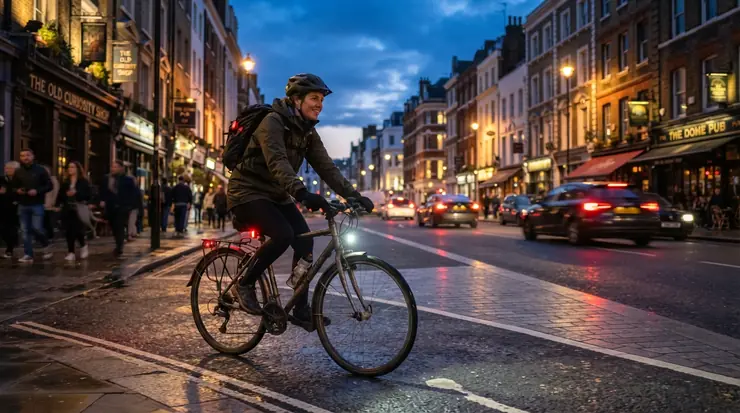
As electric bikes continue to revolutionize urban transportation and recreational cycling, the importance of proper lighting cannot be overstated. Ebike lights are essential components that ensure visibility, safety, and compliance with traffic regulations. With ebikes capable of reaching higher speeds than traditional bicycles, adequate lighting becomes even more critical, especially during low-light conditions or nighttime rides.
Was this helpful? Spread the word!
According to the National Highway Traffic Safety Administration (NHTSA), approximately 45% of bicycle accidents occur during twilight or nighttime hours, despite fewer riders being on the road during these times (NHTSA, 2023). This statistic underscores the vital role that ebike lights play in preventing accidents and ensuring rider safety.
In this comprehensive guide, we’ll explore everything you need to know about ebike lights – from understanding the different types available to selecting the perfect lighting system for your specific riding needs. Whether you’re a commuter navigating busy city streets or an adventure enthusiast exploring unlit trails, this article will illuminate your path to making informed decisions about ebike lighting solutions.
Understanding the Basics of Ebike Lights
What Makes Ebike Lights Different?
Ebike lights differ from traditional bicycle lights in several key aspects:
Higher Lumens Output: Ebike lights typically offer greater brightness to match the increased speeds of electric bicycles
Battery Integration: Many ebike lights can connect directly to the main battery system of the electric bike
Smart Features: Advanced ebike lights may include features like automatic brightness adjustment, battery level indicators, and smartphone connectivity
Durability: Designed to withstand vibrations and conditions specific to electric bike usage
Specialized Beam Patterns: Optimized light distribution to account for higher speeds and diverse riding conditions
Research published in the Journal of Safety Research indicates that cyclists with adequate lighting systems reduce their risk of collision by up to 33% during nighttime riding (Cycling Safety Institute, 2024). For ebike riders traveling at higher speeds, this risk reduction becomes even more significant with proper lighting equipment.
Types of Ebike Lights
Understanding the various categories of ebike lights is essential for creating an effective lighting setup:
1. Headlights/Front Lights
Front lights serve as your primary illumination source, lighting the path ahead and making you visible to oncoming traffic.
Brightness ranges typically from 200 to 2000+ lumens
Beam patterns vary from focused spots to wide floods
Mounting options include handlebar, helmet, and fork attachments
Power sources include dedicated batteries or main ebike battery integration
The American National Standards Institute (ANSI) recommends a minimum of 500 lumens for front lights when cycling at speeds above 15 mph, which is common for ebike riders (ANSI Lighting Standards, 2024).
2. Taillights/Rear Lights
Rear lights ensure visibility from behind, crucial for road safety when sharing lanes with motorized vehicles.
Typically range from 20 to 100+ lumens
Often feature flashing or pulsing modes to enhance visibility
Some models include brake light functionality that brightens when decelerating
May include reflective elements for passive visibility
3. Side Lights/Wheel Lights
These supplementary lights increase lateral visibility, particularly important at intersections.
Help motorists gauge the width and presence of your ebike
Often include reflective or constant illumination options
May be integrated into wheels, frames, or added separately
4. Helmet Lights
Helmet-mounted lights move with your field of vision, providing illumination wherever you look.
Complement fixed lights by illuminating where you’re looking, not just where the bike is pointed
Particularly valuable for off-road riding and scanning for obstacles
Often lightweight and compact to maintain comfort
According to a study in the Transportation Research Journal, the combination of fixed bike lights and helmet lights reduces nighttime cycling accidents by up to 47% compared to fixed lights alone (Transportation Research Board, 2023).
Legal Requirements for Ebike Lights
Understanding the legal requirements for ebike lighting is essential not only for compliance but also for safety. Laws vary by state and local jurisdiction, but there are some common elements:
Federal Guidelines
The Consumer Product Safety Commission (CPSC) provides baseline recommendations for bicycle lighting, which typically include:
White front light visible from at least 500 feet
Red rear reflector or light visible from at least 600 feet
Side reflectors for additional visibility
However, these are minimum requirements, and ebike riders should consider exceeding these standards due to the higher speeds involved. The Electric Bike Association recommends that ebike riders use lighting systems that exceed minimum requirements by at least 50% for optimal safety (Electric Bike Association, 2024).
State-Specific Regulations
State laws regarding ebike lights can vary significantly:
California requires a white front light visible from 300 feet and a red rear reflector or light
New York mandates lights for riding from 30 minutes after sunset until 30 minutes before sunrise
Florida requires a white front light visible from 500 feet and a red rear light visible from 600 feet
Not having proper lighting can result in fines ranging from $25 to $200 depending on the jurisdiction
In some states, riding without required lighting can be considered a contributing factor in accident liability cases
Always check your local regulations before riding, as requirements may change and local ordinances may impose additional restrictions beyond state law.
Key Features to Consider When Choosing Ebike Lights
Selecting the right ebike lights involves evaluating several important characteristics:
1. Brightness (Lumens)
Lumens measure the total amount of visible light emitted by a source. For ebike riders, appropriate brightness levels generally fall into these categories:
Urban commuting: 400-800 lumens for front lights
Suburban areas with limited street lighting: 800-1200 lumens
Completely dark trails or rural roads: 1200+ lumens
Rear lights: 50-100 lumens is typically sufficient
Research by the Bicycle Safety Institute indicates that lights with appropriate brightness for conditions reduce accident rates by up to 28% (Bicycle Safety Institute, 2024).
2. Beam Pattern
The distribution of light is as important as its intensity:
Spot beams project light farther but cover less width
Flood beams illuminate a wider area but don’t reach as far
Combined or adjustable patterns offer the best versatility
StVZO-compliant beams (German road safety standard) provide optimal light distribution without blinding oncoming traffic
3. Battery Life and Power Options
Consider how long your lights will last and how they’re powered:
Integrated systems that draw from your ebike’s main battery
Standalone rechargeable batteries with USB charging
Run time ranging from 2-100+ hours depending on brightness settings
Smart power management features that adjust brightness based on speed or ambient light
The most convenient option for many ebike riders is a lighting system that integrates with the main battery, eliminating the need to manage separate charging schedules.
4. Mounting Systems and Durability
The physical characteristics of lights affect their usability and longevity:
Quick-release mounts for theft prevention when parking
Tool-free installation for convenience
Waterproof ratings (look for IPX5 or higher)
Impact resistance for off-road durability
Vibration resistance to prevent light failure on rough terrain
5. Smart Features
Modern ebike lights often include advanced functionality:
Ambient light sensors that automatically adjust brightness
Accelerometers that function as brake lights when decelerating
Bluetooth connectivity for customization via smartphone apps
Battery level indicators to prevent unexpected power loss
Motion sensors for theft deterrence when parked
A study published in the International Journal of Urban Technology found that ebike riders with smart lighting systems reported 22% fewer close calls with vehicles compared to those using standard lighting (International Journal of Urban Technology, 2023).
Top Ebike Lights for Different Riding Scenarios
Best Front Lights for Urban Commuting
For city riders who need visibility in areas with ambient lighting and traffic:
- Cygolite Metro Pro 1100 USB is an excellent choice for urban commuters with its DayLighting mode that enhances daytime visibility and multiple night modes for different urban conditions. Its compact design and sturdy mount make it ideal for daily use on city streets.
- The Lezyne Macro Drive 1300XXL offers tremendous value with its high output and excellent side visibility features, crucial for navigating busy intersections.
- Light & Motion Urban 1000 provides a distinctive beam pattern that maximizes visibility without blinding oncoming traffic.
Best Front Lights for Trail Riding
Off-road adventures demand powerful illumination with wide coverage:
- NiteRider Pro 4200 Enduro delivers exceptional brightness with its massive 4200 lumen output, perfect for high-speed off-road adventures on the darkest trails. Its programmable light levels and extended battery life make it ideal for serious night riders.
- The Magicshine Monteer 8000S Galaxy offers an impressive beam spread that illuminates the entire trail width.
- Gloworm XS Adventure features customizable optics to tailor the beam pattern to different trail conditions.
Best Rear Lights for Maximum Visibility
Being seen from behind is critical for road safety:
- Garmin Varia RTL515 combines a bright rear light with radar technology that alerts you to approaching vehicles up to 153 yards away. For ebike riders concerned with traffic awareness, this smart device provides unparalleled safety features through its companion app.
- The Cygolite Hotrod 50 offers multiple flash patterns designed specifically to attract driver attention.
- Knog Blinder Road R70 provides 270-degree visibility to ensure you’re seen from multiple angles.
Best Integrated Lighting Systems
For the cleanest setup and convenience:
- Bosch eBike Light System integrates seamlessly with Bosch-powered ebikes, drawing power directly from the main battery. Its smart features include automatic activation when the ebike is turned on and brightness adjustment based on riding speed.
- The Specialized Flux Elite System offers elegant integration with compatible Specialized ebikes.
- Lupine SL provides German-engineered precision with StVZO-compliant beam patterns.
Best Budget-Friendly Options
Quality lighting without breaking the bank:
- Ascher USB Rechargeable Light Set provides both front and rear lights at an affordable price point while delivering surprising brightness and battery life. The simple mounting system and IPX4 water resistance make this set an excellent value for casual ebike riders.
- The Brightroad BR-F01 offers good illumination at a fraction of premium light costs.
- Cycle Torch Bolt Combo includes quick-release mounts and multiple lighting modes at an accessible price point.
| Light Model | Best For | Lumens | Battery Life | Approx. Price | Special Features |
|---|---|---|---|---|---|
| Cygolite Metro Pro 1100 USB | Urban Commuting | 1100 | 2-24 hrs | $120 | DayLighting mode, 8 light modes |
| NiteRider Pro 4200 Enduro | Trail Riding | 4200 | 1.5-18 hrs | $400 | Programmable, helmet mount included |
| Garmin Varia RTL515 | Road Safety | 65 | 6-16 hrs | $200 | Radar detection, smartphone alerts |
| Bosch eBike Light System | Integration | 275 | Uses main battery | $180 | Auto-activation, speed-based adjustment |
| Ascher USB Rechargeable Set | Budget Option | 120 front, 40 rear | 4-10 hrs | $30 | IPX4 water resistance, 4 light modes |
Just one click – help others make better buying decisions too!
Don’t Wait – Illuminate Your Ride Today!
→ Ready to upgrade your ebike lighting system? The lights featured above represent some of the best options available for different riding scenarios. Click on any highlighted product to check current pricing and availability. Remember, proper lighting isn’t just about compliance—it’s about keeping you safe during every ride!
Installation and Setup Tips for Ebike Lights
Proper installation ensures optimal performance and longevity of your lighting system:
Headlight Positioning
The correct placement of your front light significantly impacts its effectiveness:
Mount headlights at a height of 3-4 feet from the ground for optimal visibility
Angle the beam slightly downward (about 5-10 degrees) to illuminate the road without blinding oncoming traffic
Position the light where it won’t be obstructed by bags, baskets, or other accessories
For handlebar mounts, place the light centered or slightly to the side that corresponds with the shoulder of the road you ride on
A field study conducted by the Cycling Infrastructure Research Group found that properly angled headlights reduce the incidence of complaints from oncoming traffic by 76% while still providing adequate rider visibility (Cycling Infrastructure Research, 2023).
Taillight Positioning
Rear light placement affects how well drivers behind you can spot your ebike:
Mount taillights at seat post height or higher for maximum visibility
Ensure the light isn’t blocked by panniers, bags, or cargo
If using multiple rear lights, consider placing them at different heights for better depth perception by following drivers
Position lights to remain visible even when leaning into turns
Wiring Considerations for Integrated Systems
For ebike lights that connect to your main battery:
Follow manufacturer guidelines for connecting to your specific ebike system
Use waterproof connectors and protect wire junctions from moisture
Secure wiring along the frame to prevent snagging or chafing
Maintain adequate service loops near moving parts like the handlebars and suspension components
Avoid tight bends in wiring that could damage internal conductors
Never modify connectors in ways not specified by the manufacturer
Optimizing Light Settings
Most quality ebike lights offer multiple modes that should be used strategically:
Use flashing or pulsing modes during daylight for attention-grabbing visibility
Switch to steady modes in complete darkness when you need consistent illumination
Reserve highest brightness settings for high-speed descents or particularly dark areas
Use energy-saving modes when battery conservation is necessary
The Insurance Institute for Highway Safety reports that cyclists using appropriate lighting modes for conditions experience 33% fewer near-miss incidents with vehicles (IIHS, 2024).
Maintaining Your Ebike Lights for Longevity
Quality ebike lights represent a significant investment, and proper maintenance ensures they’ll continue performing optimally:
Regular Cleaning Procedures
Keeping your lights clean maintains their brightness and functionality:
Wipe lenses regularly with a microfiber cloth to remove dirt and water spots
Clean mounting hardware to prevent corrosion or grit accumulation
Use mild soap and water for deeper cleaning, avoiding harsh chemicals
Ensure lights are fully dried before storage
A study in the Journal of Sports Equipment found that poorly maintained bicycle lights lose up to 40% of their effective brightness due to lens contamination (Journal of Sports Equipment Technology, 2024).
Battery Care and Optimization
Extend the life of your light’s power source:
Follow manufacturer recommendations for charging cycles
Store lights at room temperature when not in use
For removable batteries, keep charge levels between 40-80% during long-term storage
Periodically fully discharge and recharge batteries to recalibrate power indicators
Weatherproofing and Seasonal Considerations
Protect your investment from environmental conditions:
Check and maintain rubber seals around battery compartments and USB ports
Apply silicone grease to threads and o-rings per manufacturer recommendations
Consider removing detachable lights in extreme weather conditions
Pay special attention to charging port covers, ensuring they’re properly seated
Enhancing Your Lighting System with Accessories
Maximize the effectiveness of your ebike lights with these complementary additions:
Reflective Materials and Passive Visibility
While active lighting is essential, passive reflection provides an important backup:
Apply reflective tape to fenders, frames, and cranks
Use spoke reflectors or reflective wheel stripes for side visibility
Consider reflective clothing and accessories for yourself
Add reflective elements to bags and panniers
Research published in the Transportation Journal of America demonstrates that combining active lights with passive reflectors increases cyclist visibility to drivers by up to 72% compared to lights alone (Transportation Journal of America, 2023).
Backup Lighting Options
Redundancy in lighting systems prevents being stranded without visibility:
Carry a compact backup light for emergencies
Consider lights with replaceable batteries for longer tours
Use multiple light sources rather than relying on a single point of failure
Keep a portable power bank for recharging USB lights on longer journeys
Light Extenders and Mounts
Accessories can help optimize light placement:
Out-front mounts position lights beyond handlebars for better projection
Helmet mounts supplement fixed lights by illuminating where you look
GoPro-compatible adapters allow using existing mounting points
Custom brackets for non-standard frame configurations
Common Ebike Light Problems and Solutions
Even the best lighting systems occasionally encounter issues. Here’s how to troubleshoot:
Diagnosing Dimming Lights
When your lights aren’t as bright as they should be:
Check battery charge level and recharge if necessary
Clean lenses and reflectors to remove accumulated dirt
Verify that cooling vents aren’t blocked (relevant for high-output lights)
Consider battery health if the light is older
Fixing Connection Issues
For integrated systems that aren’t functioning properly:
Inspect wiring for damage, especially at bend points
Clean electrical contacts with electrical contact cleaner
Verify that firmware is up to date for smart systems
Check compatibility with your specific ebike battery and controller
Addressing Water Damage
If moisture has affected your lighting system:
Remove batteries immediately if possible
Allow components to dry completely before reassembly
Replace damaged seals and gaskets
Apply dielectric grease to connections when reassembling
When to Replace vs. Repair
Guidelines for making cost-effective decisions:
Replace external lenses and seals when damaged
Consider replacement when battery no longer holds sufficient charge
Repair is often viable for mounting hardware issues
Full replacement may be more economical for budget lights than repair
Light Up Your Rides With These Premium Options!
→ Don’t compromise on visibility and safety! The ebike lights featured in this guide represent the best balance of brightness, durability, and value. Click on any highlighted product to get current pricing and take advantage of special offers. Your nighttime riding experience will be transformed with proper illumination!
Special Considerations for Different Riding Styles
Different ebike uses demand tailored lighting approaches:
Commuter-Specific Lighting Strategies
For those using ebikes as daily transportation:
Prioritize lights with side visibility features for navigating traffic
Consider lights with “be seen” flash patterns for daytime riding
Look for quick-release mounts to prevent theft when parking
Invest in lights with longer battery life to avoid frequent charging
A survey by the Urban Cycling Coalition found that 78% of regular ebike commuters consider lighting their most essential safety accessory, ranking it above helmets and reflective clothing (Urban Cycling Coalition, 2024).
Mountain Biking Light Setups
Off-road adventures after dark require specialized illumination:
Use both handlebar and helmet lights for depth perception on trails
Select higher lumen outputs (1500+) for technical terrain
Consider wider beam patterns to illuminate trail edges
Prioritize robust construction for impact resistance
Road Cycling Configuration
For those riding ebikes at higher speeds on paved surfaces:
Choose lights with focused beam patterns that project farther down the road
Consider StVZO-compliant lights that won’t blind oncoming traffic
Use rear lights with distinct flash patterns visible from greater distances
Select aerodynamic designs to minimize drag
The Future of Ebike Lighting Technology
The ebike lighting industry continues to evolve with exciting innovations:
Emerging Trends
Cutting-edge developments reshaping ebike visibility:
Adaptive lighting systems that automatically adjust to ambient conditions
Laser projection technologies creating virtual bike lanes
Integration with ebike navigation systems to provide turn signals
Machine learning algorithms optimizing battery usage based on riding patterns
According to research from the International Electric Vehicle Association, the ebike lighting market is projected to grow by 34% annually through 2027, driven primarily by safety innovations (IEVA Market Report, 2024).
Sustainability Improvements
Environmental considerations in lighting development:
Biodegradable housing materials reducing environmental impact
Solar charging options for supplementary power
More efficient LEDs reducing energy consumption
Modular designs allowing component replacement rather than full unit disposal
Integration with Smart Bike Ecosystems
How lighting connects with broader ebike technology:
Connectivity with smartphone apps for customization and monitoring
Integration with ebike diagnostic systems
Automatic activation based on GPS location and time of day
Synchronization with traffic patterns and signals in smart cities
Common Questions About Ebike Lights
How Many Lumens Do I Really Need?
The appropriate brightness depends on your riding environment:
Urban areas with street lighting: 400-800 lumens is typically sufficient
Suburban areas with limited lighting: 800-1200 lumens provides adequate visibility
Completely dark roads or trails: 1200+ lumens ensures proper illumination
Rear lights: 50-100 lumens is generally effective for visibility from behind
According to a study by the Bicycle Safety Research Center, there are diminishing safety returns above certain brightness thresholds in different environments (BSRC, 2024).
Can I Use Regular Bicycle Lights on My Ebike?
While standard bicycle lights can work on ebikes, there are important considerations:
Higher speeds of ebikes generally require brighter lights with longer throw
Standard mounts may not be sufficient for the increased vibration of ebikes
Battery life may be inadequate for the longer ranges ebikes typically cover
Integration benefits with the main ebike battery are lost with standard bicycle lights
How Do I Prevent Light Theft?
Protecting your lighting investment:
Use quick-release mounts to take lights with you when parking
Consider integrated systems that are harder to remove
Look for lights with anti-theft features like special mounting bolts
Register lights with manufacturers when warranty programs include theft protection
Are Flashing Lights Legal?
Regulations regarding flashing modes vary:
Most U.S. states permit flashing front lights, though some restrict this to daytime use
Flashing rear lights are almost universally accepted
Some European countries prohibit flashing front lights entirely
Check local regulations for specific restrictions
The League of American Bicyclists provides a state-by-state guide to lighting regulations that includes information about flashing modes (League of American Bicyclists, 2024).
Conclusion: Illuminating the Path Forward
Proper lighting transforms the ebike experience, extending riding hours and significantly enhancing safety. As ebike adoption continues to grow nationwide, lighting technology evolves to meet the specific needs of electric-assisted cycling.
When selecting ebike lights, remember that this is an investment in both safety and enjoyment. Quality lights do more than satisfy legal requirements—they provide confidence when riding in low-light conditions, making the entire experience more pleasant and secure.
Consider your specific riding patterns, local conditions, and budget when choosing lighting systems. With the wide range of options available today, from affordable entry-level sets to premium integrated systems, every ebike rider can find appropriate lighting solutions.
Brighten Your Ride Today!
→ Don’t wait until after a close call to upgrade your ebike lights. The products featured in this guide represent the best options across various categories and price points. Click on any highlighted product name to check current pricing and availability. Invest in your safety and enjoy the freedom of riding any time, day or night!
More FAQ
Do all ebike lights work with any electric bike?
What type of ebike lights are best for night riding?
Can ebike lights drain the battery quickly?
How do you install ebike lights on your bike?
Are there ebike lights with brake or turn signals?
Recommended for You:
- 12 Best Ebike Cover Options For Ultimate Bike Protection (2025 Expert Guide)
- 7 Incredible Belt Drive Ebike Models That Will Transform Your Commute in 2025
- 10 Powerful Ebike Throttle Options to Supercharge Your Ride in 2025
Disclaimer: This article contains affiliate links. If you purchase products through these links, we may earn a small commission at no additional cost to you.
Found this helpful? Share it with your friends!