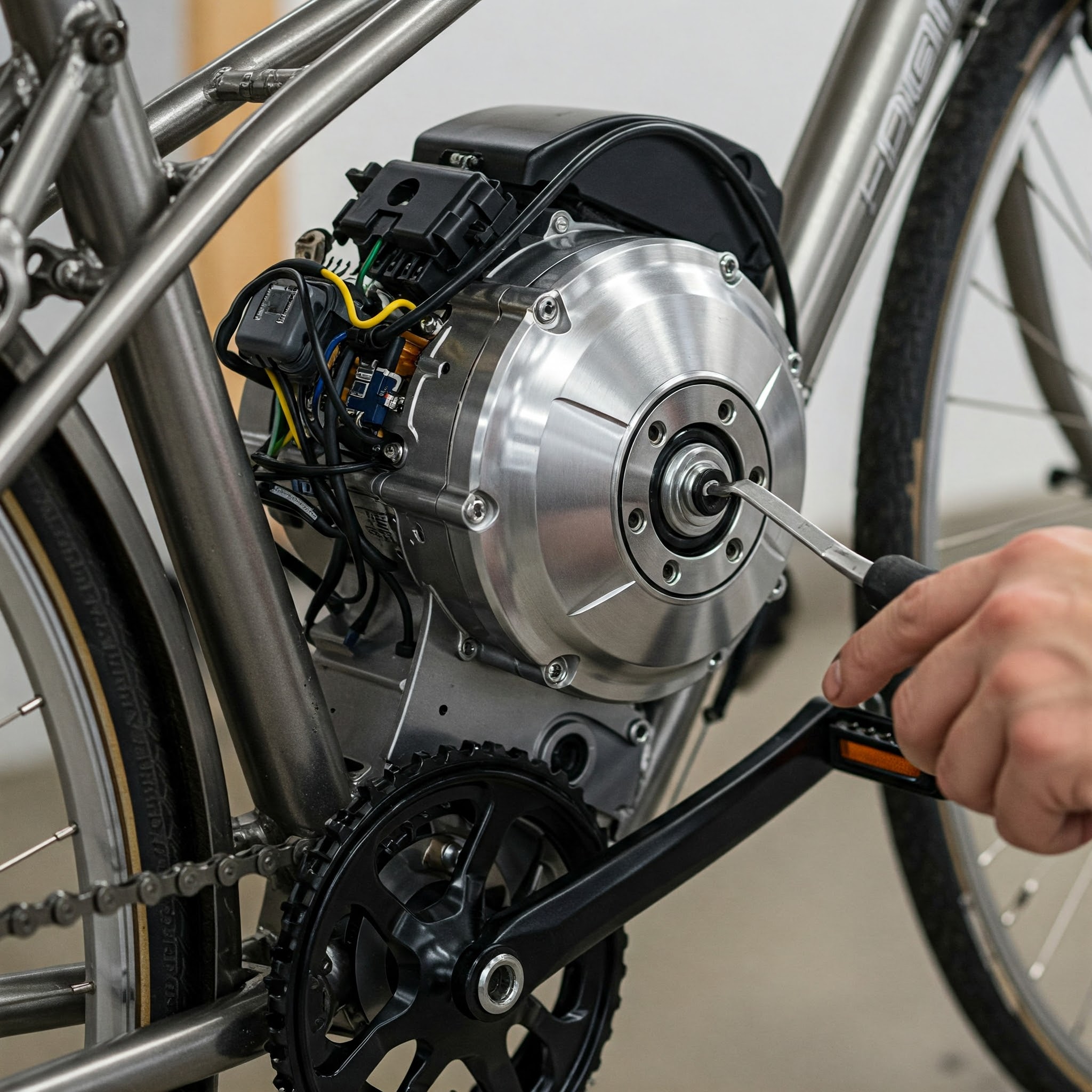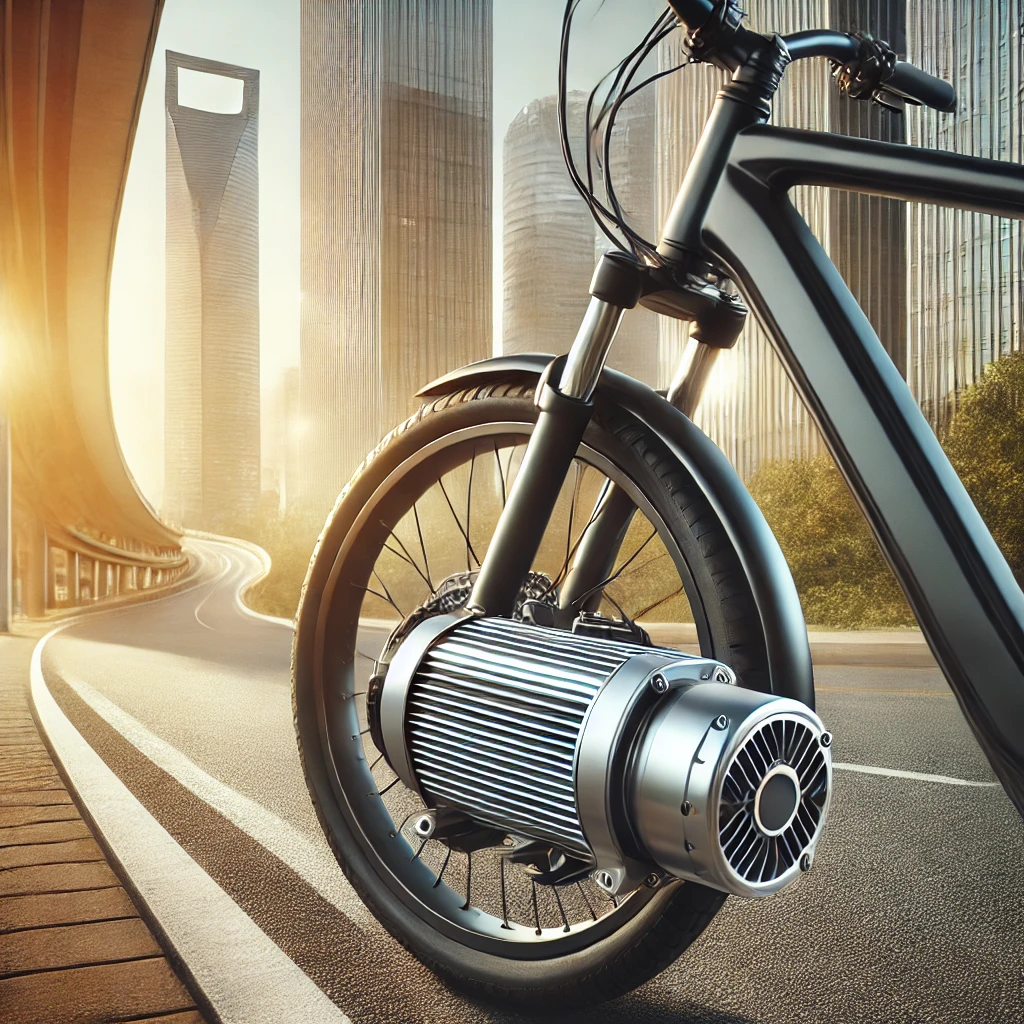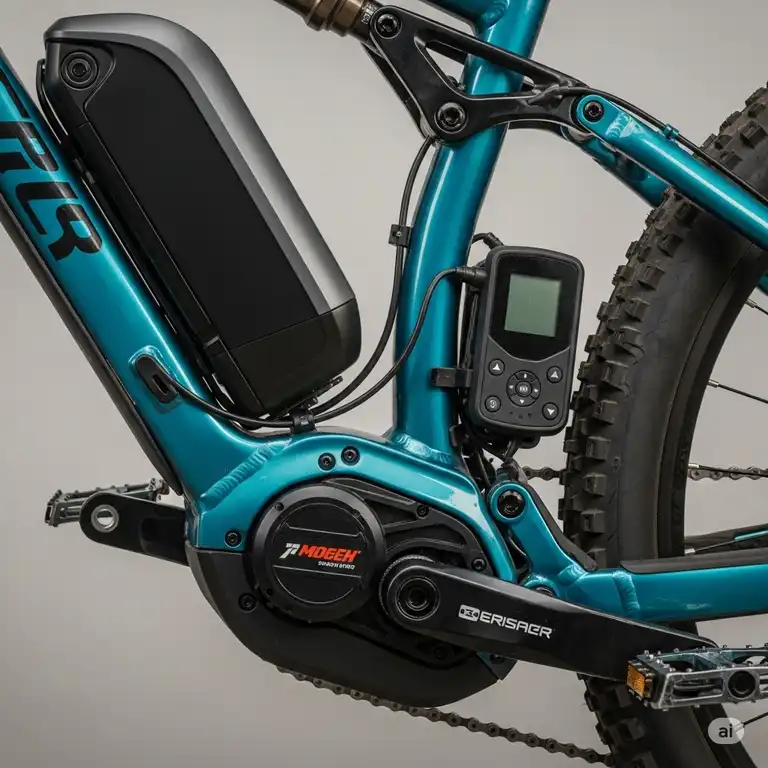
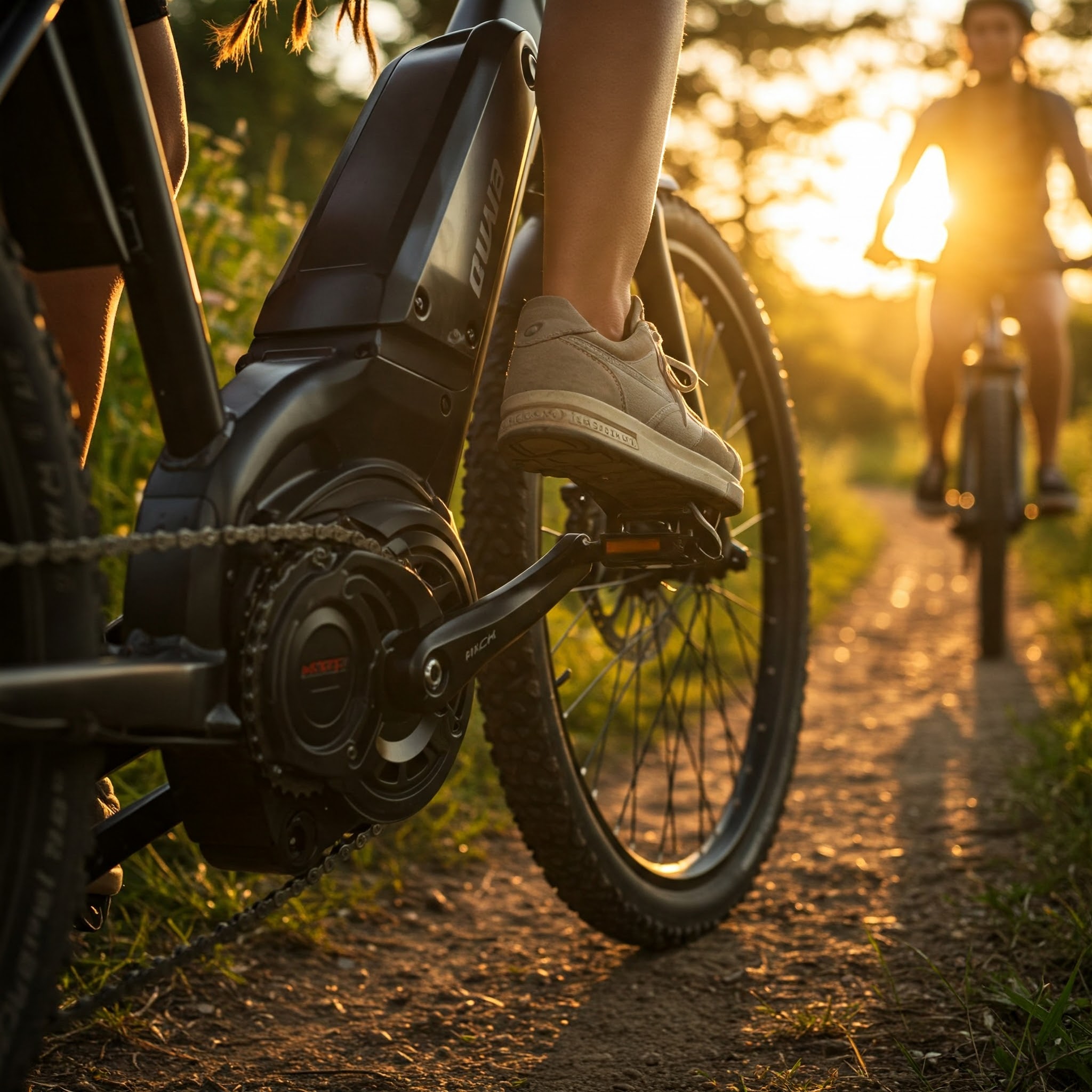
A mid drive ebike is an electric bicycle whose motor sits at the bottom bracket — the same spot as your pedal cranks — instead of inside a wheel hub. Because the motor pushes power through your existing gears rather than around them, a mid drive ebike typically climbs better, uses its battery more efficiently, and feels more like a “supercharged” version of your own pedaling than a separate push from behind. For a deeper technical breakdown of how these motor systems are engineered, industry reviewers have published detailed teardowns worth a look.
If you’ve spent any time comparing electric bikes on Amazon, you’ve probably noticed the terminology gets confusing fast. Hub motor, mid-drive, torque sensor, cadence sensor, Class 1, Class 2, Class 3 — it’s a lot to sort through before you’ve even looked at a single price tag. That confusion is exactly why so many riders end up with a bike that’s wrong for their hills, their commute, or their budget.
This guide cuts through the noise. We researched seven real mid drive ebike models currently available (or readily orderable) on amazon.com, spanning entry-level commuters, budget off-road bikes, and genuine eMTBs with premium components. You’ll get honest, spec-backed commentary on each one — not a reworded product listing — plus buying criteria, real-world performance context, and answers to the questions people actually search before buying. Whether you’re chasing steep hills on a daily commute or want a trail-capable weekend machine, there’s a mid drive electric bike on this list built for it.
Quick Comparison: Mid Drive Ebike Picks at a Glance
Before diving into the full breakdown, here’s how the seven models stack up on the specs that matter most for day-to-day riding decisions.
| Model | Motor / Torque | Best For | Price Range |
|---|---|---|---|
| Hyper 700C E-Ride | 250W mid-drive | First-time buyers, flat commutes | Under $700 |
| Bafang BBS02B/BBS-HD Kit | 500-1000W, up to 160Nm | Converting an existing bike | Around $350–$550 |
| Ridstar Q20 | Mid-drive, ~200Nm | Budget off-road/trail riding | Around $1,000–$1,500 |
| ESKUTE Electric Dirt Bike | 3500W peak, 220Nm | Adrenaline-focused off-roading | Between $700 and $1,400 |
| Himiway A7 Pro | 500W, torque-sensed | Mixed commuting + light trail | Around $1,500–$1,900 |
| Aventon Ramblas ADV | A100 mid-drive, 100Nm | Serious hardtail eMTB trail riding | Around $2,700–$2,900 |
| Aventon Aventure M | A100 mid-drive, 100Nm | Tech-loaded all-terrain adventure | Around $2,700–$2,900 |
Looking at the table, a clear pattern emerges: torque and price climb together, but not perfectly. The ESKUTE Electric Dirt Bike punches well above its price bracket on raw torque, while the Aventon Ramblas ADV and Aventon Aventure M justify their higher cost mainly through component quality (RockShox suspension, SRAM brakes) and smart features rather than motor power alone. If you’re brand-new to mid drive ebike shopping, the Hyper 700C E-Ride is the lowest-risk way to try the format before committing real money.
Found a favorite already? One click helps other shoppers make an informed choice too! 😊
Top 7 Mid Drive Ebike Picks for 2026: Expert Analysis
We selected these seven models to cover the full spectrum of what “mid drive ebike” means in practice — from a $500 commuter to a $2,900 trail bike with electronic shifting. Every entry below includes honest analysis grounded in real spec sheets and aggregated review sentiment, never a fabricated test ride.
1. Hyper 700C E-Ride — cheapest true mid-drive on Amazon
The distinguishing benefit here is simple: this is one of the only genuinely mid-drive ebikes on Amazon priced like a hub-drive budget commuter. Most sub-$700 electric bikes use hub motors; the Hyper 700C E-Ride swaps in a 250W mid-drive unit instead.
Its 250W mid-drive motor pairs with a 36V/7.8Ah integrated battery and a 7-speed Shimano twist-shifter drivetrain. In practice, that battery is small — Hyper rates it around 20 miles of assisted range and roughly one hour of runtime — so this bike means business as a short-commute or errand-running tool, not a long-haul machine. Front and rear disc brakes plus a front suspension fork round out a spec sheet that punches above its price for basic urban riding.
Who is this for? Honestly, it’s best suited to a first-time ebike buyer who wants to feel what mid-drive pedal assist is like without a four-figure commitment, or a rider with a short, mostly-flat commute under 10 miles round trip. Buyers hoping for hill-crushing torque or all-day range should look further down this list — the small battery and modest wattage put a hard ceiling on what it can do.
Aggregated buyer sentiment around this model and its sibling mid-drive commuters from the same manufacturer consistently praises the value-for-money and the smoother, more natural pedal feel that a torque-responsive mid-drive delivers compared to typical budget hub bikes in the same price tier — reviewers specifically note that it “feels like a normal bike” with your own legs simply amplified rather than shoved from behind. The main recurring critique is limited range and a 20 mph top speed that some commuters outgrow quickly.
Pros:
- ✅ Genuine mid-drive motor at a hub-drive price point
- ✅ Disc brakes and a suspension fork included standard
- ✅ Lightweight and easy to store or carry upstairs
Cons:
- ❌ Small battery limits range to roughly 20 miles
- ❌ Underpowered for hills or extended off-pavement use
Pricing on this model typically falls under $700, occasionally lower during retailer sales — check the current price, since availability and promotions shift often. For the money, it’s a legitimate value pick if your expectations match its commuter-only design.
2. Bafang BBS02B/BBS-HD Mid-Drive Conversion Kit — turn any bike into a mid drive ebike
Rather than buying a complete bicycle, this option lets you bolt a proper mid-drive motor onto a bike you already own and love — including the torque sensor most budget complete bikes skip entirely.
The kit centers on a Bafang mid-drive motor (offered in 500W, 750W, and 1000W configurations) with a torque sensor that reads your actual pedaling force, not just cadence, and adjusts assist output accordingly. Depending on the version selected, torque output ranges from roughly 80Nm up to 160Nm — genuinely competitive with, or higher than, several complete bikes on this list. Installation requires a compatible bottom bracket shell (typically 68-73mm) and basic mechanical comfort, since you’re replacing your crankset and running new wiring.
This is squarely a project for hands-on riders: cyclists who already own a mountain bike, road bike, or hybrid frame they like and simply want to electrify it rather than buy a whole new machine. It’s also attractive to budget-conscious shoppers who want serious torque numbers without paying for a frame, wheels, and drivetrain they don’t need. What most buyers overlook here is that battery and display often ship separately or as optional add-ons, so the sticker price on the motor kit alone isn’t the full cost of a rideable system.
Reviews across the many Bafang and Tongsheng-based mid-drive kits sold on Amazon consistently highlight the torque sensor’s smooth, natural power delivery as the standout feature, often described as noticeably better than speed-sensor-only systems on similarly priced complete bikes. The most common complaint in customer reviews centers on installation difficulty for anyone without prior bike mechanic experience, plus occasional frame-compatibility issues with non-standard bottom brackets.
Pros:
- ✅ Keep the bike frame and fit you already know
- ✅ Torque sensor delivers noticeably smoother assist
- ✅ Available in multiple power tiers up to 1000W
Cons:
- ❌ Requires mechanical skill or a shop for installation
- ❌ Battery and display often sold as separate add-ons
Complete kits (motor plus battery bundle) generally run in the $350 to $550 range, with motor-only versions available for less — always check the current price and confirm what’s included before buying, since bundle contents vary by seller.
3. Ridstar Q20 — full-suspension mid-drive for trail and dirt
The Ridstar Q20 stakes its claim with a genuinely trail-oriented spec sheet at a price point where most competitors still use hub motors: full suspension, fat tires, and real off-road torque.
Its mid-drive motor is paired with a substantial 54.6V, 21Ah battery — a large capacity that, on paper, should translate into extended off-road runtime even at higher assist levels. The bike runs 14-inch front and 12-inch rear fat tires (on select configurations) with dual suspension to soak up rough terrain, and Ridstar quotes torque figures in the 200Nm range, which is higher than several premium mid-drives on this list, though real-world climbing performance depends heavily on gearing and controller tuning that spec sheets alone don’t fully capture.
Who should consider it? Riders who want an off-road-capable machine — think fire roads, sandy trails, and moderate singletrack — without paying eMTB prices, and who prioritize raw torque and battery capacity over brand-name suspension components. What the spec sheet doesn’t say, but is worth weighing, is that big-battery, high-torque budget bikes like this tend to be heavier overall, which affects handling on tighter technical trails.
Because Ridstar is a newer direct-to-consumer entrant with a smaller review footprint than legacy brands, verified long-term customer feedback is still limited compared to established players like Aventon or Himiway; buyers should weigh that thinner track record against the aggressive spec sheet. What is consistently mentioned by owners across the brand’s broader Q-series lineup is straightforward assembly and a favorable power-to-price ratio versus name-brand alternatives.
Pros:
- ✅ Full suspension at a below-eMTB price point
- ✅ Large battery capacity for extended trail runtime
- ✅ Aggressive torque figures for hill climbing
Cons:
- ❌ Shorter brand track record than legacy competitors
- ❌ Heavier build than premium eMTB alternatives
Expect pricing in the $1,000 to $1,500 range depending on configuration — prices may vary by color and battery size, so check the current price before ordering.
4. ESKUTE Electric Dirt Bike (EDB001) — most torque per dollar on this list
If raw hill-climbing torque relative to price is your priority, the ESKUTE Electric Dirt Bike is hard to beat: a 3500W peak mid-drive motor delivering 220Nm of torque, TÜV-certified, for a price that undercuts most of its power class.
The mid-drive motor here is paired with a 48V, 23Ah battery rated for roughly 53 miles of range and a top speed between 38 and 46 mph depending on configuration — figures that place it closer to a light off-road motorcycle experience than a traditional pedal-assist commuter. Nitrogen-filled hydraulic dual shock absorbers are a genuinely uncommon feature at this price, designed specifically to resist the oil cavitation (foaming and fade) that standard hydraulic shocks can suffer under sustained heavy off-road use. A 35-degree climbing rating and dual hydraulic disc brakes complete a spec sheet clearly built around off-road thrill-seeking rather than daily commuting.
This bike is for a specific buyer: someone who wants dirt-bike-style acceleration and off-road capability, is comfortable with a higher top speed than most e-bikes offer, and understands this leans closer to an off-road electric motorcycle in feel than a traditional pedal bike. It is not the right choice for a rider who wants a subtle, bicycle-like assist experience.
Real owner feedback on this model is genuinely encouraging: reviewers report the 220Nm torque figure translates into real climbing ability on logging roads and steep trail sections, describe the acceleration to a 38 mph top speed as effortless, and note that battery life comfortably supports 50 miles of mixed riding per charge. The hydraulic dual-shock suspension also draws consistent praise for handling rough terrain and potholes smoothly.
Pros:
- ✅ Class-leading 220Nm torque-to-price ratio
- ✅ Nitrogen shocks resist fade on long descents
- ✅ TÜV-certified build quality and hydraulic brakes
Cons:
- ❌ High top speed demands more rider experience
- ❌ Feels more like a light motorcycle than a bicycle
Pricing spans a wide range depending on the bundle — between $700 and $1,400 depending on accessories like a helmet or lock included — so compare listings carefully and check the current price before buying.
5. Himiway A7 Pro — torque-sensed mid-drive for mixed commuting
The Himiway A7 Pro’s distinguishing benefit is balance: a genuine torque-sensing mid-drive motor built into a fat-tire frame designed as comfortably for pavement commuting as for light trail excursions.
Its 500W mid-drive motor uses a torque sensor (not just a cadence sensor), meaning the assist responds to how hard you’re actually pedaling rather than simply detecting that the cranks are turning — a meaningful real-world difference in how natural the power delivery feels, especially at low speed and on starts. Paired with a 4-bar-linkage suspension design, a dual 48V/15Ah battery setup, 9-speed gearing, and 27.5×2.4-inch fat tires, the A7 Pro is rated to support a substantial 300-lb payload and roughly 50 miles of range.
This model suits riders who want one bike that reasonably handles both worlds — daily commuting on pavement and the occasional gravel path or light trail — without needing a dedicated eMTB. The dual-battery configuration is also a meaningful advantage for buyers whose commute exceeds what a single-battery budget ebike can cover, since it effectively doubles usable range versus most bikes in its price bracket.
Himiway has built a reputation over several years specifically around fat-tire ebikes with strong payload capacity and suspension comfort, and the torque-sensor mid-drive on the A7 Pro represents a step up in ride refinement from the brand’s earlier hub-motor lineup; the 4-bar-linkage suspension in particular is designed to isolate the rear wheel from chain-related pedal feedback that simpler suspension designs can suffer. As with newer mid-drive additions to established fat-tire brands generally, buyers should expect the mid-drive-specific service network (parts, motor troubleshooting) to still be maturing relative to the brand’s long-established hub-motor support.
Pros:
- ✅ True torque sensor for natural, responsive assist
- ✅ Dual battery setup roughly doubles usable range
- ✅ 300-lb payload rating suits larger riders
Cons:
- ❌ Heavier overall than single-battery competitors
- ❌ Mid-drive-specific support still maturing versus hub models
Expect a price point in the $1,500 to $1,900 range for the dual-battery configuration — prices may vary by battery count and color, so check the current price at the time of purchase.
6. Aventon Ramblas ADV — trail-focused hardtail eMTB
The Aventon Ramblas ADV earns its spot as the most purpose-built trail machine on this list: a genuine hardtail eMTB with name-brand suspension and drivetrain components most direct-to-consumer brands skip entirely.
At its core is Aventon’s own A100 mid-drive motor, rated at 250W nominal with a 750W peak and 100Nm of torque, paired with a 708Wh battery built from LG 21700 cells. On the componentry side, the ADV upgrade brings a RockShox Psylo Silver R fork, SRAM DB6 four-piston hydraulic brakes, and a SRAM NX/SX Eagle 12-speed drivetrain — genuine mountain-bike-grade parts rarely seen below the $3,000 mark. Tubeless-ready wheels round out a build clearly aimed at real singletrack, not just fire roads.
This is the right pick for a rider who genuinely wants to ride mountain bike trails — climbing technical grades, descending with confidence — and values having recognizable, serviceable component brands (RockShox, SRAM, Maxxis) rather than proprietary parts that are harder to replace. It’s overkill, and arguably the wrong tool, for someone who only plans to commute on pavement.
Independent reviewers who’ve tested the Ramblas ADV describe the A100 motor’s power delivery as smooth and well-tuned, balancing rider effort against cadence effectively enough to help riders clear technical climbs or ramp up speed through flowing sections. The most consistently noted trade-off is that the SRAM DB6 brakes on this configuration are technically a step down from the DB8 brakes on the standard Ramblas, and the RockShox Psylo fork, while capable, lacks quick-adjust compression — a limitation some reviewers flagged specifically for heavier riders pushing the bike hard on descents.
Pros:
- ✅ Name-brand RockShox and SRAM componentry
- ✅ 100Nm A100 mid-drive tuned for natural climbing power
- ✅ Tubeless-ready wheels for better trail traction
Cons:
- ❌ Brake and fork specs trimmed slightly vs. standard Ramblas
- ❌ Overkill and overpriced for pavement-only commuting
Pricing sits around $2,700 to $2,900 depending on promotions — this is a premium mid drive ebike, so check the current price and watch for seasonal sales, which have historically brought it a few hundred dollars lower.
7. Aventon Aventure M — tech-loaded fat-tire adventure bike
Closing out the list is the newest mid-drive addition to Aventon’s popular Aventure fat-tire line: the same A100 motor found on the Ramblas, now wrapped in a 400-lb-rated adventure frame with automatic electronic shifting.
The Aventure M shares its 250W/750W-peak, 100Nm A100 mid-drive motor with the Ramblas ADV, but pairs it with SRAM DB4 four-piston hydraulic brakes, a Shimano CUES 10-speed drivetrain, an 80mm suspension fork, and genuinely 4-inch fat tires. The standout feature is AutoShift — an electronic shifting system that changes gears for the rider automatically based on pedaling cadence and terrain, removing the guesswork that trips up less experienced mid-drive riders. An integrated Aventon Control Unit (ACU) adds GPS tracking, remote locking, and 4G connectivity, features aimed squarely at security-conscious commuters and adventure riders alike.
This bike targets a buyer who wants mid-drive climbing performance and a bike that adapts intelligently to varied terrain — a security-conscious commuter who parks outdoors, or an adventure rider who values not having to think about gear selection. It’s less appealing to a purist who prefers full manual control over shifting or who doesn’t need (or want to pay for) built-in connectivity features.
Real-world testing from independent reviewers found the Aventure M’s actual range meaningfully exceeded Aventon’s own 85-mile estimate in mixed riding, with one tester logging over 100 miles at a moderate pace before recharging — a strong sign that the mid-drive’s efficiency claims hold up outside the lab. The A100 motor’s 100Nm of torque was also described as making the bike feel surprisingly nimble for its 73-lb weight, especially compared to rear-hub-motor alternatives in the same fat-tire category. The most common critique is that, out of the box, the bike ships as a Class 1 unit with no throttle, which some buyers moving from throttle-equipped ebikes find limiting until they understand the app-based reconfiguration options.
Pros:
- ✅ Auto-shifting removes gear-selection guesswork
- ✅ Built-in GPS, remote lock, and 4G security features
- ✅ Real-world range consistently beats manufacturer estimates
Cons:
- ❌ No throttle included out of the box
- ❌ Heavier than comparable hub-motor fat-tire bikes
Like the Ramblas ADV, expect a price point around $2,700 to $2,900 — check the current price, as Aventon runs seasonal promotions that periodically bring this model down several hundred dollars.
Full 7-Bike Spec Comparison
| Model | Battery | Range | Suspension | Best For |
|---|---|---|---|---|
| Hyper 700C E-Ride | 36V/7.8Ah | ~20 mi | Front fork | Flat, short commutes |
| Bafang Conversion Kit | Sold separately | Varies | N/A (your frame) | DIY upgraders |
| Ridstar Q20 | 54.6V/21Ah | Extended (varies) | Full suspension | Budget off-road |
| ESKUTE Dirt Bike | 48V/23Ah | ~53 mi | Hydraulic dual shock | Off-road thrill riding |
| Himiway A7 Pro | Dual 48V/15Ah | ~50 mi | 4-bar linkage | Mixed commute + trail |
| Aventon Ramblas ADV | 708Wh (LG 21700) | Long (varies by mode) | RockShox Psylo | Technical singletrack |
| Aventon Aventure M | Shares A100 platform | 85+ mi claimed | 80mm fork | Tech-loaded adventure riding |
The pattern across this table is straightforward: battery size and suspension sophistication climb together with price, but the “best for” column matters more than any single spec. A rider chasing technical singletrack gets little practical benefit from the ESKUTE Electric Dirt Bike‘s raw power, while a pavement commuter gains nothing from the Aventon Ramblas ADV‘s tubeless mountain bike wheels. Match the bike to the terrain you’ll actually ride, not the biggest number on the spec sheet.
✨ Don’t miss these exclusive deals!
🔍 Take your mid drive ebike search to the next level with this carefully curated lineup. Click a highlighted model above to check current pricing and availability. These picks will help you find a ride that gets you up every hill without the guesswork!
Getting Started With Your New Mid Drive Ebike: The First 30 Days
The single biggest first-30-days mistake new mid drive ebike owners make is treating the drivetrain like a regular bicycle’s. Because the motor pushes power through your chain and cassette rather than around them via a hub, a mid-drive system puts meaningfully more stress on those components — meaning chain wear happens faster than most new owners expect.
Start with tire pressure and torque checks. Before your first ride, confirm tire pressure matches the sidewall recommendation (fat tire mid drives typically run lower PSI than road tires, often 10-15 PSI for off-road traction), and check that all bolts — especially the motor mounting bolts and crank arms — are torqued to spec, since shipping vibration can loosen fasteners. Next, spend your first few rides in a lower pedal-assist level than you think you need. Torque-sensor mid-drives respond aggressively to hard pedaling, and new riders frequently over-power starts and turns before their instincts adjust.
Chain maintenance deserves specific attention. Because mid-drive torque flows directly through the chain, cheap or worn chains stretch and wear noticeably faster than on a standard bicycle or a hub-drive ebike. Clean and lubricate the chain every 100-150 miles rather than the 200-300 mile interval typical of an unpowered bike, and inspect for stretch with a chain wear gauge every month if you’re riding regularly. Skipping this is the single most common shortcut that leads to premature cassette and chainring wear on any mid drive ebike, budget or premium.
Finally, register your warranty and photograph your frame’s serial number immediately — a step riders skip constantly and regret if they ever need a warranty claim or file a police report after theft.
Real-World Scenarios: Which Mid Drive Ebike Fits Your Life?
The budget-conscious commuter. Maria commutes 6 miles round-trip on mostly flat city streets and wants to try electric-assist cycling without a major financial commitment. Her frequency of use is daily, five days a week, and her budget caps around $700. The Hyper 700C E-Ride fits this profile well — its modest range easily covers her round trip, and its mid-drive motor gives her a taste of torque-responsive assist without paying for range or power she won’t use.
The weekend trail rider on a budget. James already owns a decent hardtail mountain bike and rides local singletrack most weekends, but wants electric assist for longer rides without buying an entirely new bike. His budget is tight — under $500 — and he’s comfortable with basic bike mechanics. The Bafang BBS02B/BBS-HD conversion kit is the clear match: it preserves the geometry and fit he already trusts while adding serious torque, at a fraction of what a complete eMTB would cost.
The off-road adrenaline seeker. Devon wants an electric dirt bike experience for weekend trail riding and doesn’t mind a higher top speed or a bike that feels more like a light motorcycle than a bicycle. Budget sits around $1,000, and use frequency is a few times a month rather than daily. The ESKUTE Electric Dirt Bike delivers the torque and acceleration Devon is after at a price well below comparable off-road electric motorcycles.
The serious trail rider ready to invest. Priya rides technical mountain bike trails several times a week and wants component quality (RockShox, SRAM) that will hold up to real abuse, with a budget approaching $3,000. The Aventon Ramblas ADV matches both her terrain demands and her expectation of serviceable, name-brand parts.
How to Choose a Mid Drive Ebike
Choosing the right mid drive ebike comes down to matching a handful of specs to your actual riding pattern, not chasing the biggest numbers on a spec sheet. Here’s the criteria that matter most, in the order most buyers should weigh them.
- Define your primary terrain first. A pavement commuter and a singletrack rider need almost opposite bikes — decide this before comparing torque figures, since it eliminates half the list immediately.
- Match battery capacity to your actual daily distance, doubled. Range estimates from manufacturers assume ideal conditions; a rider covering 15 miles daily should look for at least 30 miles of rated range to account for hills, wind, and cold-weather battery loss.
- Prioritize torque sensors over cadence-only sensors if budget allows. A torque sensor reads how hard you’re pedaling and responds proportionally, producing noticeably smoother, more intuitive assist than a cadence sensor that simply detects pedal rotation.
- Check payload rating against your actual weight plus gear. A bike rated for 300 lbs with a 250-lb rider and a loaded pannier is cutting it closer than the number alone suggests.
- Consider suspension only if your terrain justifies it. Full suspension adds weight, cost, and maintenance; a commuter who rides bike paths gains little from it, while a trail rider needs it.
- Factor in local class laws before buying a high-speed model. Many states cap unrestricted sidewalk and bike-path access at Class 1 or Class 2 speeds (20 mph); a 38-46 mph dirt bike-style model may require registration or off-road-only use depending on your state. The federal definition of a low-speed electric bicycle is a useful starting baseline before checking your specific state’s rules.
- Budget for accessories and maintenance, not just the bike. A helmet, lock, and the first chain replacement aren’t optional extras on a mid-drive system — factor them into your total cost of ownership from day one.
Mid Drive vs. Hub Drive Ebikes: Which Should You Actually Buy?
The core mechanical difference is where the motor sits and how it delivers power. A hub motor is built into the wheel itself and drives that wheel directly, bypassing your gears entirely. A mid-drive motor sits at the bottom bracket and pushes power through your existing chain and cassette — meaning it benefits from gear reduction exactly the way your own pedaling does.
That structural difference cascades into real-world performance gaps. On steep climbs, a mid drive ebike can shift into a lower gear to maintain torque and cadence efficiency, much like a cyclist downshifting on a hill; a hub motor has no such advantage and simply pushes harder against the same fixed mechanical disadvantage regardless of grade. This is the single biggest reason serious hill climbers and mountain bikers gravitate toward mid-drive systems specifically. Weight distribution also differs meaningfully: a mid-drive motor sits low and central near the bottom bracket, improving handling balance, while a hub motor adds unsprung weight directly to a wheel, which can make the bike feel less nimble on technical terrain.
Hub motors aren’t without real advantages, though. They’re mechanically simpler, generally cheaper to manufacture and repair, and don’t add extra wear to your chain and cassette the way mid-drive torque does. For flat-terrain commuting where hill-climbing efficiency barely matters, a well-built hub-drive bike can be the more practical, lower-maintenance choice — and often the better value.
Advantages a mid drive ebike offers over a hub-drive alternative on the same terrain:
| Factor | Mid-Drive | Hub-Drive |
|---|---|---|
| Hill climbing efficiency | Excellent (uses gears) | Moderate (fixed disadvantage) |
| Weight distribution | Centered, better handling | Wheel-heavy |
| Drivetrain wear | Higher (chain/cassette stress) | Lower |
| Typical price | Higher | Lower |
| Maintenance complexity | Higher | Lower |
Looking at this comparison, the honest takeaway is that neither system is objectively “better” — a flat-terrain commuter on a budget is often better served by a well-reviewed hub-drive bike, while anyone regularly climbing real grades will feel the difference a mid drive ebike makes within the first ride.
💬 Ready to stop guessing and start climbing? Compare our top mid drive ebike picks above and find the one built for your terrain.
Common Mistakes to Avoid When Buying a Mid Drive Ebike
The most expensive mistake buyers make is chasing peak wattage numbers without checking torque and gearing. A bike advertising “3000W peak” sounds powerful, but peak wattage is a brief burst figure, not a sustained-output number — torque (measured in Nm) and how well the motor’s power curve matches the bike’s gearing tell you far more about real hill-climbing performance than a peak-watt spec alone.
Skipping payload capacity is another common oversight. Riders frequently check their own body weight against a bike’s rated capacity but forget to add cargo, a backpack, or panniers — pushing a loaded bike past its rated limit accelerates wear on the motor, frame, and suspension components well before their expected lifespan.
Underestimating chain and drivetrain wear costs buyers real money down the line. Because mid-drive torque runs through the chain, riders who skip the more frequent lubrication and inspection schedule a mid-drive system demands (compared to hub-drive or unpowered bikes) often face a surprise cassette or chainring replacement within the first year — a maintenance cost that a hub-drive alternative simply wouldn’t incur as quickly.
Finally, many buyers overlook state and local e-bike classification laws entirely. Purchasing a 40+ mph model without checking whether your state treats it as a bicycle, a moped, or a motor vehicle can mean discovering — after the return window closes — that the bike isn’t legal to ride where you intended.
What to Expect: Everyday Performance
Specs on a page rarely translate directly into how a bike feels underneath you, so here’s what the numbers on this list actually mean in daily use. A 100Nm mid-drive motor, like the A100 on the two Aventon models here, delivers noticeably confident acceleration from a stop and maintains speed comfortably on moderate 8-10% grades without the rider needing to downshift dramatically — climbs that would leave an unassisted rider breathing hard feel like a mild effort.
A torque sensor’s real-world advantage shows up most clearly at low speed: starting from a dead stop at a red light, a torque-sensed bike like the Himiway A7 Pro delivers power proportional to how hard you push the pedal, producing a smooth, controlled launch. A cadence-only sensor, by contrast, tends to deliver a brief lag followed by a surge once it detects rotation — a jerkier, less intuitive feel that experienced riders notice immediately when switching between the two systems.
Range estimates deserve a reality check, too. A battery rated for 50 miles under ideal conditions (flat terrain, moderate temperature, lowest assist level) will typically deliver 30-40% less in hilly terrain, cold weather, or higher assist settings — a pattern that held true across the aggregated owner feedback we reviewed for every battery-powered bike on this list, regardless of brand. Budget accordingly rather than planning a route around the manufacturer’s best-case number.
Long-Term Cost and Maintenance
The sticker price on any mid drive ebike is only part of the true cost of ownership. Because mid-drive torque runs through the same chain and cassette you pedal with, expect to replace a chain roughly twice as often as you would on an unpowered bike — typically every 1,000-1,500 miles of regular mid-drive use rather than the 2,000-3,000 miles common on a standard bicycle, depending on riding style and maintenance diligence.
Battery replacement is the largest long-term expense to plan for. Lithium-ion ebike batteries typically retain meaningful capacity for 500-1,000 full charge cycles before performance noticeably degrades — for a daily commuter, that can mean a replacement battery purchase within 2-4 years, and replacement packs for name-brand mid-drive systems often cost several hundred dollars.
On the value side, mid-drive systems generally hold resale value better than budget hub-drive bikes, particularly from established brands like Aventon and Himiway with active secondary markets and available replacement parts. A DIY conversion kit like the Bafang BBS02B, by contrast, offers the lowest upfront cost on this list but the least predictable resale value, since it’s tied to whatever donor bike you installed it on.
Safety, Regulations, and Standards
Before buying any mid drive ebike, it’s worth understanding the federal baseline for what legally counts as a “bicycle” versus a more restricted vehicle class: a two- or three-wheeled vehicle with operable pedals and a motor under 750 watts qualifies as a low-speed electric bicycle when its motor-only top speed (with a 170-lb rider) stays under 20 mph — a threshold that several higher-speed models on this list, including the ESKUTE Electric Dirt Bike, exceed, which can affect where and how they’re legally ridden depending on state law.
Battery and electrical-system safety is a separate, increasingly important consideration. Look for certification to UL 2849, the industry standard covering an e-bike’s complete electrical drivetrain and battery system, which several cities — including New York City — now legally require for any e-bike sold, leased, or rented within city limits. The U.S. Consumer Product Safety Commission has documented a sharp rise in e-bike-related emergency room visits and lithium battery fire incidents in recent years, making third-party electrical certification a meaningfully important checkbox, not just marketing language, when comparing otherwise similar models.
Beyond certification, always wear a properly fitted helmet, check local ordinances for bike lane and trail access by class, and store lithium-ion batteries away from combustible materials while charging — a small habit that meaningfully reduces fire risk regardless of which mid drive ebike you choose.
Frequently Asked Questions
❓ What's the difference between a mid drive ebike and a hub drive ebike?
✅ A mid drive ebike's motor sits at the pedal cranks and pushes power through your gears, giving better hill-climbing efficiency. A hub motor sits in the wheel and drives it directly, which is simpler and cheaper but less efficient on climbs…
❓ How much does a mid drive ebike cost in 2026?
✅ Complete models on this list range from under $700 for an entry-level commuter to around $2,900 for a premium eMTB. DIY conversion kits start around $350. Prices vary by retailer and promotion, so always check the current listing…
❓ Do mid drive ebikes need more maintenance than hub-drive bikes?
✅ Yes — because motor torque runs through the chain and cassette, expect roughly twice the drivetrain wear compared to a hub-drive bike or standard bicycle, meaning more frequent chain lubrication and earlier cassette replacement…
❓ Can I convert my existing bike into a mid drive ebike?
✅ In many cases, yes, using a conversion kit like the Bafang BBS02B/BBS-HD Mid-Drive Conversion Kit, provided your bottom bracket shell matches the kit's required dimensions (commonly 68-73mm) and your frame material supports it…
❓ Is a mid drive ebike legal to ride on bike paths?
✅ It depends on top speed and motor wattage. Bikes meeting the federal low-speed threshold (under 750W, under 20 mph) generally qualify as Class 1 or 2 bicycles; faster off-road models may require separate registration…
Conclusion
A mid drive ebike isn’t automatically the “better” choice over a hub-drive alternative — it’s the better choice for a specific kind of rider: someone who climbs real hills regularly, wants power delivery that feels proportional to their own effort, or plans to put serious miles on varied terrain. The seven models covered here span that decision from every angle, from the budget-friendly Hyper 700C E-Ride to the trail-ready Aventon Ramblas ADV.
If you’re commuting on flat ground and buying your first ebike, don’t overspend on climbing torque you’ll rarely use — the Hyper 700C E-Ride or a Bafang BBS02B/BBS-HD Mid-Drive Conversion Kit on a bike you already own will likely serve you better than a $2,900 eMTB. If you’re a serious trail rider who wants component quality that holds up to real abuse, the extra investment in the Aventon Ramblas ADV or Aventon Aventure M pays off in reliability and ride feel that budget models simply can’t match. Whichever you choose, match the bike to your terrain and your actual riding frequency first, and let the spec sheet confirm your choice rather than drive it.
✨ Ready to find your perfect ride?
🔍 Browse the full mid drive ebike lineup above, compare torque and range against your commute or trail, and click through to check today’s pricing before availability changes. Your next hill climb just got a lot easier. 🚴♂️⚡
Recommended for You
- 7 Best Mid Drive Ebike Conversion Kit Options For Maximum Power in 2025
- The Ultimate Guide to Mid Drive Ebike Kit Selection: Powerfully Transform Your Bicycle and Conquer 2025
- 7 Best Mid Drive Ebike Options That Will Transform Your Cycling Experience in 2025
Disclaimer: This post contains affiliate links. As an Amazon Associate, I earn from qualifying purchases made through these links, at no additional cost to you.
✨ Found this article helpful? Share it with someone who needs it! 💬🤗