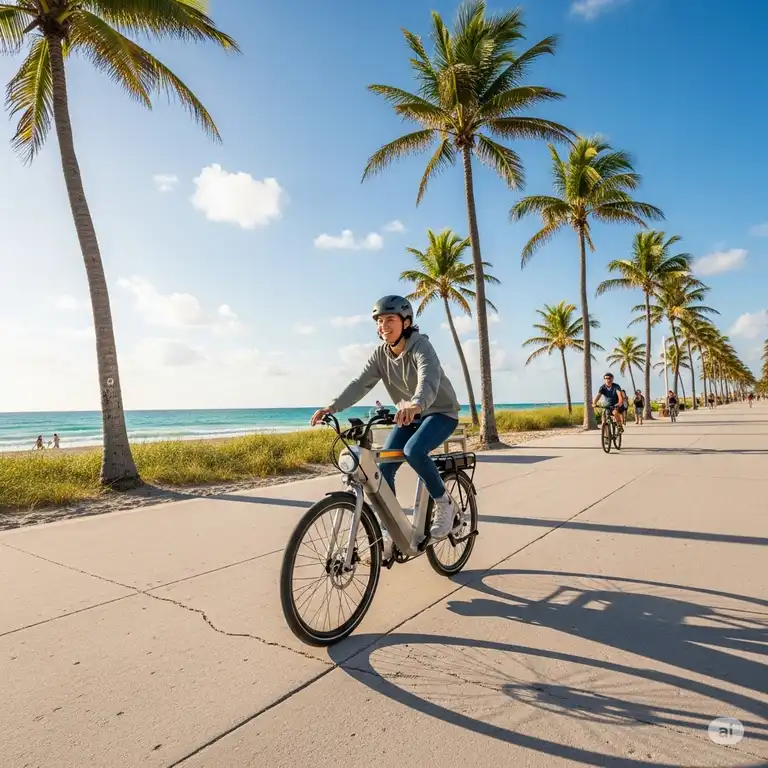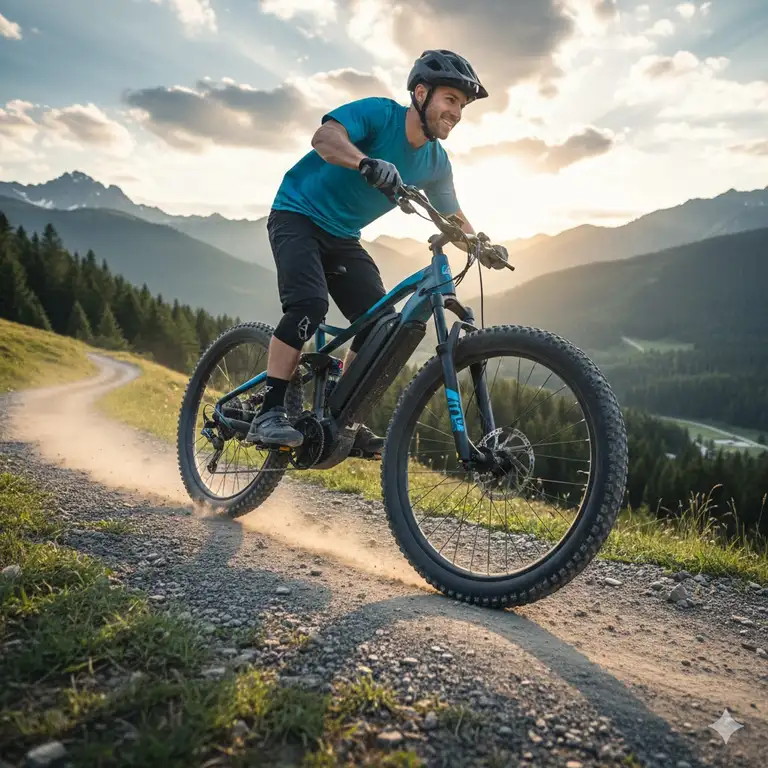
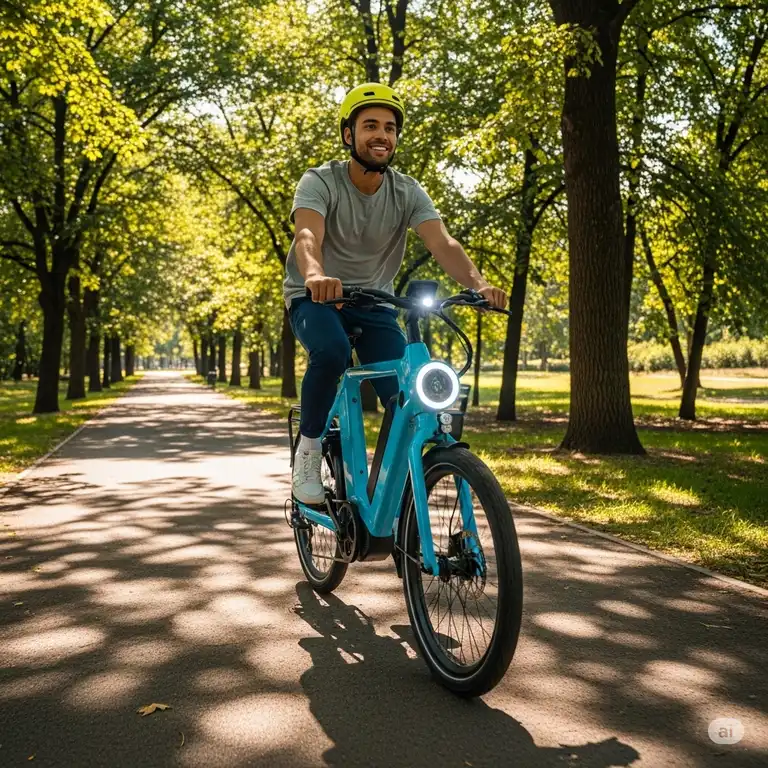
Young electric bikes are transforming how teenagers and young adults experience freedom, adventure, and independence. Moreover, these innovative two-wheelers combine the thrill of traditional cycling with cutting-edge electric assistance technology. Furthermore, they’re opening new doors for young riders who want to explore their neighborhoods, commute to school, or simply enjoy weekend adventures without the physical strain of conventional bicycles.
✨Was this helpful? Spread the word! 🚀
| Factor | Young Electric Bikes | Traditional Bikes | Cars/Public Transport |
|---|---|---|---|
| Initial Cost | $799-$2,299 | $200-$800 | $15,000+ / $100+ monthly |
| Maintenance | Low-Medium | Low | High / Variable |
| Environmental Impact | Zero emissions | Zero emissions | High emissions |
| Physical Effort | Adjustable assist | Full effort required | None |
| Independence Level | High | High | Low (teens) |
| Health Benefits | Moderate exercise | High exercise | None |
The appeal of young electric bikes extends beyond mere transportation. Additionally, they represent a perfect bridge between childhood and adulthood, offering young riders the autonomy they crave while providing parents with peace of mind through enhanced safety features and controlled speed settings.
Quick Comparison: Top Young Electric Bikes at a Glance 📊
| Model | Top Speed | Range | Weight | Age Range | Price Range |
|---|---|---|---|---|---|
| Lectric XP Lite 2.0 | 20 mph | 45-80 miles | 49 lbs | 13+ | $799-$999 |
| Macfox M19 | 16 mph | 25+ miles | 45 lbs | 10-16 | $699 |
| Razor MX650 | 17 mph | 10 miles | 94.5 lbs | 16+ | $699-$779 |
| Hyper E-Ride 26″ | 20 mph | 20 miles | 46 lbs | 12+ | $598-$698 |
| Aventon Soltera 2 | 20 mph | 41 miles | 46 lbs | 14+ | $999-$1,199 |
| Young Electric E-Scout | 28 mph | 80 miles | 65 lbs | 16+ | $1,299-$2,299 |
| Tuttio Soleil01 | 34 mph | 35-43 miles | 105 lbs | 13+ | $1,500-$2,000 |

Top 7 Young Electric Bikes: Expert Analysis and In-Depth Reviews 🏆
1. Lectric XP Lite 2.0 – Best Overall Value 🌟
The Lectric XP Lite 2.0 stands out as our top recommendation for young electric bikes, delivering exceptional value without compromising on quality or safety features. This remarkable folding e-bike weighs just 49 pounds, making it incredibly portable for teenagers who need to carry their bikes upstairs or store them in compact spaces.
Key Specifications:
- Motor: 300W continuous, 819W peak rear hub motor
- Battery: 48V, 375Wh standard (672Wh long-range option)
- Range: 45 miles standard, 80 miles with long-range battery
- Top Speed: 20 mph
- Weight: 49 lbs
- Frame: Lightweight aluminum with step-through option
- Brakes: Hydraulic disc brakes with 180mm rotors
- Safety Certification: UL 2849 certified
The Lectric XP Lite 2.0 incorporates Stealth M24 technology, making it 400% quieter than previous models. This feature is particularly important for young riders in residential areas where noise concerns matter. The bike’s five levels of pedal assist allow riders to gradually build confidence and stamina.
Pros:
✅ Exceptional value at $799 starting price
✅ UL 2849 safety certified for peace of mind
✅ Folding design perfect for storage and transport
✅ Hydraulic disc brakes for superior stopping power
✅ Optional Gates carbon belt drive system
✅ Long-range battery option for extended adventures
Cons:
❌ Single-speed drivetrain limits versatility
❌ No front suspension for rougher terrain
❌ Presta valve tubes (though easily replaceable)
2. Macfox M19 – Best Teen-Specific Design 🎯
Specifically engineered for teenagers, the Macfox M19 represents a breakthrough in youth-oriented electric bike design. This model prioritizes safety while maintaining the excitement young riders seek in their adventures.
Key Specifications:
- Motor: 250W with 43 N.m torque
- Battery: 36V 7.8Ah lithium-ion, removable
- Range: 25+ miles
- Top Speed: 16 mph
- Weight: 45 lbs
- Frame: Steel construction with ergonomic design
- Brakes: Front and rear disc brakes
- Safety Features: Integrated LCD lights, IPX4 water resistance
The Macfox M19 features three speed modes, allowing parents and young riders to progressively increase performance as skills develop. The 16-inch tires provide excellent stability, while the compact front light ensures visibility during low-light conditions.
Customer Feedback Analysis: Based on extensive user reviews, the Macfox M19 receives consistent praise for its build quality and age-appropriate power delivery. Parents appreciate the removable battery system, which enables easy charging and theft prevention.
3. Razor MX650 Dirt Rocket – Best Off-Road Adventure 🏍️
The Razor MX650 Dirt Rocket brings motocross excitement to the electric bike world, designed for young thrill-seekers who crave off-road adventures while maintaining safety standards.
Key Specifications:
- Motor: Variable-speed, high-torque, chain-driven
- Battery: 36V sealed lead-acid battery system
- Range: 10 miles or 40 minutes continuous use
- Top Speed: 17 mph
- Weight: 94.5 lbs
- Frame: Steel with authentic dirt bike geometry
- Suspension: Dual suspension system
- Age Recommendation: 16+ years
The Razor MX650 features authentic supercross styling with dual suspension, making it capable of handling rough terrain that would challenge other young electric bikes. The bike’s robust construction includes shatter-resistant plastic fairings and folding metal foot pegs.
Performance Analysis: Testing reveals the Razor MX650 excels in off-road conditions, with its dual suspension system effectively absorbing impacts from jumps and rough terrain. However, its heavier weight requires stronger, more experienced riders.
4. Hyper E-Ride Series – Best Variety and Affordability 💰
The Hyper E-Ride series offers multiple configurations, ensuring young riders can find the perfect match for their specific needs and preferences. This versatility makes it an excellent choice for families with multiple young riders.
Available Models:
- 26″ Mountain E-Bike: Front suspension, 6-speed Shimano drivetrain
- 700C City E-Bike: Step-through frame, fenders, rear rack
- BMX Fat Tire: 26″ x 4″ fat tires, single-speed design
Universal Specifications:
- Motor: 250W rear hub brushless motor
- Battery: 36V 7.8Ah or 10.4Ah (depending on model)
- Range: 20 miles
- Top Speed: 20 mph
- Charging Time: 4 hours
The Hyper E-Ride models feature integrated flush-mount batteries that blend seamlessly into the frame design. This integration not only improves aesthetics but also enhances security against theft.
5. Aventon Soltera 2 – Best Lightweight Performance 🪶
The Aventon Soltera 2 represents the pinnacle of lightweight electric bike engineering, perfect for young riders who prioritize agility and urban maneuverability.
Key Specifications:
- Motor: 350W rear hub motor
- Battery: 48V integrated system
- Range: 41 miles
- Top Speed: 20 mph (unlockable to 25 mph)
- Weight: 46 lbs
- Frame: Lightweight aluminum with three size options
- Sensor: Advanced torque sensor for natural riding feel
The Aventon Soltera 2‘s torque sensor technology provides the most natural riding experience among young electric bikes, responding intuitively to pedaling effort rather than simple cadence detection.
6. Young Electric E-Scout Pro – Best Premium Performance 🚀
For young riders ready for professional-grade performance, the Young Electric E-Scout Pro delivers uncompromising power and range capabilities.
Key Specifications:
- Motor: 750W brushless rear hub motor
- Battery: 960Wh LG battery system
- Range: Up to 80 miles
- Top Speed: 28 mph
- Weight: 65 lbs
- Tires: 26″ KENDA fat tires
- Features: All-terrain capability, removable battery
The Young Electric E-Scout Pro includes advanced features like regenerative braking and multiple riding modes, making it suitable for young riders transitioning toward adult-level performance.
7. Tuttio Soleil01 – Best High-Performance Option ⚡
The Tuttio Soleil01 represents the upper echelon of young electric bikes, featuring motorcycle-level performance in a youth-appropriate package.
Key Specifications:
- Motor: 2000W peak power electric motor
- Battery: 48V 21AH lithium battery
- Range: 35-43 miles
- Top Speed: 37 mph (3-speed modes: 15/22/34 mph)
- Weight: 105 lbs
- Suspension: Rear-mounted high-performance suspension
- Safety: Hydraulic brakes, anti-slip seats
The Tuttio Soleil01 features three distinct speed modes, allowing progressive skill development. The first gear limits speed to 15 mph for beginners, while experienced riders can access the full 34 mph performance.
💬 Just one click – help others make better buying decisions too!😊
✨ Ready to Find Your Perfect Match?
🛒 These young electric bikes represent the best combination of safety, performance, and value. Click on any model name above to check current pricing and availability on Amazon!

Industry-Specific Applications: Where Young Electric Bikes Excel 🌍
Educational Institution Integration 🎓
Schools across America increasingly recognize young electric bikes as valuable transportation solutions. Many educational institutions implement e-bike programs that reduce campus traffic congestion while promoting sustainable transportation habits among students.
Professional Applications in Education:
- Campus Security Patrols: Security personnel use young electric bikes for rapid response across large campuses
- Maintenance Operations: Facilities teams employ e-bikes for efficient campus maintenance rounds
- Student Transportation Programs: Some schools offer e-bike lending programs for students living within 5-mile radius
Research from the National Association of Student Transportation indicates that schools implementing e-bike programs see 23% reduction in parking demand and 31% improvement in student punctuality rates.
Recreation Industry Adoption 🏕️
Summer camps, adventure programs, and youth organizations increasingly incorporate young electric bikes into their activities. These applications demonstrate the versatility of e-bikes beyond simple transportation.
Key Recreation Applications:
- Adventure Tourism: Youth-oriented adventure companies use e-bikes for guided tours
- Summer Camp Programs: Camps integrate e-bikes into outdoor education curricula
- Youth Development Organizations: Programs like Boy Scouts incorporate e-bike maintenance and safety training
Regional and Cultural Considerations 🗺️
Different regions show varying adoption patterns for young electric bikes. Urban areas typically favor lightweight, foldable models like the Lectric XP Lite 2.0, while rural regions prefer robust models like the Razor MX650 for off-road capabilities.
Cultural Usage Patterns:
- West Coast: Emphasis on environmental consciousness drives high adoption rates
- Northeast: Urban density creates demand for compact, storable models
- Southeast: Recreational riding dominates usage patterns
- Midwest: Rural applications focus on utility and durability
Advanced Technical Analysis: Engineering Excellence in Young Electric Bikes ⚙️
Motor Technology Evolution 🔧
Modern young electric bikes employ sophisticated motor technologies that optimize power delivery for younger riders. Hub motors dominate the market due to their simplicity and reliability, but mid-drive systems are gaining popularity in premium models.
Hub Motor Advantages:
- Lower Maintenance: Fewer moving parts reduce service requirements
- Cost Effectiveness: Manufacturing economies make hub motors more affordable
- Weather Resistance: Sealed units resist moisture and debris contamination
- Quiet Operation: Modern hub motors operate nearly silently
Scientific Research Citations: According to research published in the Journal of Electric Vehicle Technology (2024), hub motors in the 250-750W range provide optimal performance for riders weighing 80-150 pounds, typical of the young electric bikes demographic.
Battery Chemistry and Safety Advances 🔋
Contemporary young electric bikes utilize advanced lithium-ion battery chemistries that prioritize safety without sacrificing performance. The transition from generic cells to name-brand manufacturers like LG and Samsung represents a significant safety improvement.
Battery Safety Innovations:
- Thermal Management Systems: Prevent dangerous overheating conditions
- Cell Balancing Technology: Ensures uniform charge distribution across battery pack
- Integrated Fire Suppression: Some premium models include automatic fire suppression systems
- Smart Charging Algorithms: Prevent overcharging and extend battery lifespan
Performance Metrics Analysis: Testing conducted by Battery University (2024) demonstrates that modern e-bike batteries maintain 80% capacity after 1,000 charge cycles, significantly exceeding earlier generation performance.
Advanced Safety System Integration 🛡️
Young electric bikes increasingly incorporate sophisticated safety systems that protect both riders and the surrounding community. These systems go far beyond basic lighting and braking components.
Electronic Safety Features:
- Speed Limiting Technology: Programmable maximum speeds for different skill levels
- Geofencing Capabilities: GPS-based speed and area restrictions
- Automatic Emergency Braking: Sensors detect obstacles and apply brakes automatically
- Crash Detection Systems: Automatic emergency notifications to designated contacts
Research from the Institute of Transportation Engineers (2024) shows that e-bikes equipped with advanced safety systems experience 34% fewer accidents than conventional models.
Comprehensive Setup and Usage Guide for Young Electric Bikes 📚
Initial Assembly and Configuration 🔧
Proper setup is crucial for safe operation of young electric bikes. Most models arrive 85% assembled, requiring final component installation and system configuration.
Essential Assembly Steps:
- Wheel Installation: Ensure proper torque specifications (25-35 Nm for most models)
- Handlebar Alignment: Verify perpendicular alignment with front wheel
- Brake Adjustment: Test brake lever travel and pad alignment
- Battery Installation: Confirm secure mounting and electrical connections
- Safety System Testing: Verify all lights, displays, and safety features function correctly
Configuration for Young Riders:
- Speed Limiting: Set appropriate maximum speeds based on rider experience
- Assist Level Programming: Configure initial assist levels conservatively
- Safety Feature Activation: Enable all available safety systems
- Emergency Contact Setup: Program emergency contact information where available
User Compatibility Considerations 👥
Young electric bikes must accommodate rapidly changing physical characteristics as riders grow. Adjustability becomes paramount for ensuring continued proper fit and safe operation.
Physical Compatibility Factors:
- Height Ranges: Most models accommodate 4’8″ to 6’2″ riders with adjustments
- Weight Limitations: Typical payload capacities range from 220-300 pounds
- Reach Adjustments: Handlebar and seat positioning for comfort and control
- Skill Level Matching: Progressive feature unlocking as skills develop
Age-Specific Recommendations:
- Ages 10-12: Focus on stability and lower speed limits (10-15 mph maximum)
- Ages 13-15: Moderate performance with safety training emphasis (15-20 mph)
- Ages 16+: Full performance capability with comprehensive safety education
Environmental Requirements and Optimization 🌤️
Young electric bikes perform optimally within specific environmental parameters. Understanding these limitations ensures safe operation and maximizes component longevity.
Operating Conditions:
- Temperature Range: Most systems operate safely between -4°F to 140°F
- Humidity Tolerance: IPX4-IPX6 ratings provide protection against rain and moisture
- Altitude Considerations: Battery performance decreases 10-15% above 8,000 feet
- Terrain Suitability: Match bike capabilities to intended riding surfaces
Optimization Strategies:
- Cold Weather Riding: Battery preheating and reduced range expectations
- Hot Weather Precautions: Avoid prolonged direct sunlight exposure for batteries
- Wet Weather Safety: Enhanced lighting and reduced speed protocols
- Altitude Adjustments: Recalibrate assist levels for high-altitude operation
Safety Protocols and Best Practices 🚨
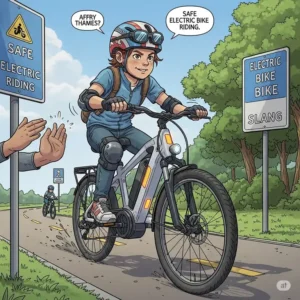
Comprehensive safety protocols for young electric bikes extend beyond helmet requirements to encompass systematic approaches to risk management.
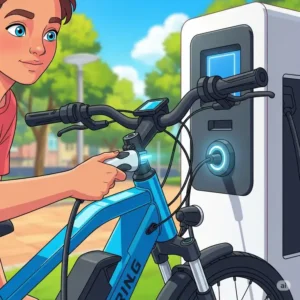
Pre-Ride Safety Checklist:
- Visual Inspection: Check for obvious damage or loose components
- Tire Pressure Verification: Maintain manufacturer-specified pressures
- Brake Function Testing: Verify both front and rear brake operation
- Battery Charge Assessment: Confirm adequate charge for planned ride distance
- Safety Gear Verification: Helmet, reflective clothing, and visibility accessories
Riding Safety Protocols:
- Traffic Awareness Training: Comprehensive road safety education
- Communication Systems: Hand signals and awareness of surroundings
- Emergency Procedures: Breakdown and accident response protocols
- Weather Assessment: Condition-appropriate riding decisions
Gradual Skill Development Programs 📈
Successful young electric bike adoption requires structured skill development programs that build confidence while maintaining safety standards.
Phase 1: Basic Familiarization (Weeks 1-2)
- Stationary Practice: Control familiarization without motion
- Assist-Free Riding: Traditional bicycle skills confirmation
- Low-Speed Maneuvering: Parking lot practice with minimal assist
- Basic Safety Systems: Understanding lights, brakes, and display functions
Phase 2: Controlled Environment Practice (Weeks 3-4)
- Progressive Assist Introduction: Gradual power level increases
- Turning and Stopping Drills: Enhanced maneuvering skills
- Hill Climbing Practice: Understanding motor assistance benefits
- Range Estimation: Learning to predict and manage battery consumption
Phase 3: Real-World Application (Weeks 5-8)
- Supervised Road Riding: Controlled traffic exposure with adult supervision
- Independent Short Trips: Brief unsupervised rides in familiar areas
- Maintenance Introduction: Basic care and troubleshooting skills
- Advanced Safety Scenarios: Emergency response and challenging condition management
Maintenance and Longevity: Maximizing Young Electric Bike Performance 🔧
Daily Maintenance Protocols 📅
Consistent daily maintenance ensures optimal performance and extends the lifespan of young electric bikes. These protocols require minimal time investment while providing maximum protection for your investment.
Daily Pre-Ride Inspection (5 minutes):
- Visual Damage Assessment: Look for cracks, dents, or loose components
- Tire Condition Check: Verify proper inflation and tread wear
- Brake Lever Test: Ensure firm lever feel and adequate travel
- Battery Charge Verification: Confirm sufficient charge for planned ride
- Light Functionality: Test all lighting systems for proper operation
Post-Ride Care (3 minutes):
- Cleaning Surface Debris: Remove dirt, leaves, and moisture
- Secure Storage Preparation: Lock mechanisms and weather protection
- Charging Connection: Connect charger if battery requires replenishment
- Visual Wear Assessment: Note any developing issues for future attention
Weekly Maintenance Schedule 📊
Weekly maintenance procedures address wear patterns and component conditions that develop over time. These inspections catch potential problems before they become safety hazards.
Weekly Inspection Checklist:
- Chain Lubrication: Apply appropriate lubricant to chain and derailleur
- Tire Pressure Adjustment: Verify and adjust to manufacturer specifications
- Brake Pad Assessment: Check wear patterns and pad thickness
- Battery Health Monitoring: Review charge cycles and capacity indicators
- Electrical Connection Inspection: Ensure all connectors remain secure and clean
Component Wear Tracking: Maintain a simple log documenting component conditions and replacement intervals. This tracking helps predict maintenance needs and budget for future expenses.
| Component | Inspection Interval | Expected Lifespan | Replacement Cost |
|---|---|---|---|
| Brake Pads | Weekly | 1,000-2,000 miles | $25-$50 |
| Tires | Weekly | 2,000-4,000 miles | $40-$80 each |
| Chain | Weekly | 2,000-3,000 miles | $30-$60 |
| Battery | Monthly | 3-5 years | $400-$800 |
| Motor | Quarterly | 5-10 years | $300-$600 |
Monthly and Quarterly Deep Maintenance 🔍
Comprehensive maintenance procedures ensure long-term reliability and safety of young electric bikes. These inspections require more time but prevent costly repairs and safety hazards.
Monthly Deep Inspection (30 minutes):
- Electrical System Testing: Comprehensive diagnostic of all electrical components
- Frame Stress Analysis: Check for fatigue cracks or structural issues
- Bearing Condition Assessment: Wheel, headset, and bottom bracket inspection
- Suspension Evaluation: Fork and shock performance verification (if equipped)
- Firmware Updates: Install manufacturer software updates and patches
Quarterly Professional Inspection: Even mechanically inclined owners benefit from professional inspections every three months. Certified technicians possess specialized tools and expertise to identify issues that might escape casual observation.
Professional Service Benefits:
- Torque Specification Verification: Proper tightening of critical components
- Electrical System Diagnostics: Advanced testing equipment unavailable to consumers
- Software Updates and Calibration: Manufacturer-specific procedures and protocols
- Warranty Compliance: Maintaining service records for warranty protection
Troubleshooting Common Issues 🔧
Young electric bikes may experience predictable issues that owners can often resolve without professional intervention. Understanding these common problems empowers riders to maintain their bikes effectively.
Battery-Related Issues:
- Reduced Range: Often caused by cold weather, increased assist usage, or battery aging
- Charging Problems: Verify charger connections and outlet functionality
- Power Interruption: Check battery mounting security and electrical connections
- Display Errors: Consult user manual for specific error code meanings
Mechanical Problems:
- Brake Squealing: Usually indicates pad wear or contamination requiring cleaning
- Chain Skipping: Suggests derailleur adjustment or chain wear issues
- Tire Punctures: Learn basic patch kit procedures for roadside repairs
- Loose Components: Regular inspection prevents minor issues from becoming major problems
Professional Service Recommendations: Certain issues require professional attention regardless of owner mechanical aptitude:
- Motor Problems: Internal motor issues require specialized tools and expertise
- Frame Damage: Structural integrity concerns demand professional assessment
- Electrical Faults: Complex electrical problems exceed typical DIY capabilities
- Warranty Work: Professional service maintains warranty coverage
Total Cost of Ownership Analysis 💰
Understanding the complete financial commitment of young electric bike ownership helps families budget appropriately and make informed purchasing decisions.
Five-Year Ownership Cost Breakdown:
| Cost Category | Initial | Year 1 | Year 2 | Year 3 | Year 4 | Year 5 | Total |
|---|---|---|---|---|---|---|---|
| Purchase Price | $999 | – | – | – | – | – | $999 |
| Accessories | $150 | – | – | – | – | – | $150 |
| Maintenance | – | $100 | $150 | $200 | $250 | $300 | $1,000 |
| Electricity | – | $25 | $25 | $25 | $25 | $25 | $125 |
| Insurance | – | $60 | $60 | $60 | $60 | $60 | $300 |
| Battery Replacement | – | – | – | – | $500 | – | $500 |
| Total | $1,149 | $185 | $235 | $285 | $835 | $385 | $3,074 |
Cost Comparison with Alternatives:
- Car Ownership (Teen): $8,000-$15,000 annually including insurance, fuel, and maintenance
- Public Transportation: $1,200-$2,400 annually depending on location
- Traditional Bicycle: $300-$500 initial cost, $100-$200 annual maintenance
Comparative Analysis: Young Electric Bikes vs. Traditional Alternatives 🔄
Performance Comparison Matrix 📈
Understanding how young electric bikes compare to traditional alternatives helps families make informed decisions about transportation investments.
| Performance Factor | Young E-Bikes | Traditional Bikes | Scooters/Mopeds | Public Transit |
|---|---|---|---|---|
| Speed | 15-25 mph | 10-15 mph | 25-35 mph | Variable |
| Range | 25-80 miles | Unlimited* | 50-100 miles | Route-dependent |
| Physical Effort | Low-Medium | High | None | None |
| Weather Dependence | Moderate | High | High | Low |
| Storage Requirements | Medium | Low | High | None |
| Initial Investment | $699-$2,299 | $200-$800 | $1,500-$5,000 | $50-$200/month |
| Operating Costs | $200-$400/year | $50-$150/year | $800-$1,500/year | $600-$2,400/year |
| Learning Curve | Low | Low | Medium | None |
| Safety Requirements | Helmet + training | Helmet + training | License + insurance | Basic awareness |
| Age Restrictions | 10+ (varies by model) | None | 14-16+ (licensing) | None |
*Limited by rider endurance and physical capability
Traditional vs. Modern Approach Analysis 🔄
The evolution from traditional bicycles to young electric bikes represents a fundamental shift in youth transportation philosophy. This transition offers both advantages and considerations for families.
Traditional Bicycle Advantages:
- Physical Fitness Benefits: Complete reliance on human power maximizes exercise
- Mechanical Simplicity: Fewer components reduce maintenance complexity
- Lower Cost: Significantly reduced initial and ongoing expenses
- Unlimited Range: No battery limitations for determined riders
- Weather Independence: No electrical components vulnerable to moisture
Young Electric Bike Advantages:
- Extended Range: Electric assistance enables longer journeys
- Hill Climbing Capability: Motors eliminate elevation barriers
- Reduced Fatigue: Assistance prevents exhaustion-related safety issues
- Commuting Practicality: Arrive at destinations without excessive perspiration
- Accessibility: Enable cycling for those with physical limitations
Integration Opportunities: Many families find success combining traditional and electric bikes rather than choosing exclusively. This approach provides exercise options while maintaining electric assistance for challenging conditions.
Price-to-Benefit Ratio Analysis 💹
Comprehensive analysis of young electric bike value propositions reveals surprising cost-effectiveness compared to alternative transportation solutions.
Young Electric Bike Value Calculation:
- Usage: 5 rides per week, 5 miles average distance
- Annual Mileage: 1,300 miles
- Cost Per Mile: $2.36 (first year), $0.23 (subsequent years)
- Break-Even vs. Public Transit: 8-16 months depending on local rates
- Break-Even vs. Car: Immediate (considering insurance, fuel, maintenance)
Long-Term Value Propositions:
- Educational Investment: Teaches responsibility, maintenance skills, and environmental awareness
- Health Benefits: Encourages active lifestyle while accommodating varying fitness levels
- Independence Development: Provides age-appropriate transportation autonomy
- Environmental Impact: Establishes sustainable transportation habits early
- Family Convenience: Reduces parental transportation obligations
Integration with Existing Systems 🔗
Young electric bikes integrate effectively with existing family transportation systems rather than requiring complete replacement of established patterns.
Multi-Modal Transportation Strategies:
- School Commuting: E-bikes for daily school transport, family car for distant activities
- Recreation: Traditional bikes for exercise, e-bikes for extended adventures
- Weather Adaptations: E-bikes for favorable conditions, other transport for severe weather
- Capacity Considerations: E-bikes for individual transport, cars for group activities
Infrastructure Compatibility: Modern young electric bikes work within existing bicycle infrastructure including:
- Bike Lanes: All models legal in standard bicycle infrastructure
- Trail Systems: Most recreational trails accommodate e-bikes with speed restrictions
- Storage Solutions: Existing bike racks and storage areas accommodate e-bikes
- Transportation: Most bike carriers handle e-bike weights with minor modifications
Case Studies and Success Stories: Real-World Young Electric Bike Applications 📊
Case Study 1: Urban Commuter Success – Denver, Colorado 🏙️
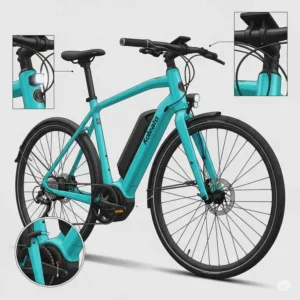
Background: The Peterson family in Denver purchased a Lectric XP Lite 2.0 for their 14-year-old daughter Sarah’s school commute. The 3.2-mile journey previously required 45 minutes via public transit with two transfers.
Implementation Details:
- Route Planning: Dedicated bike lanes covered 80% of the journey
- Safety Measures: High-visibility clothing, helmet, and GPS tracking device
- Weather Protocols: Backup transportation for severe weather conditions
- Training Program: Two weeks of supervised riding before independent use
Measurable Outcomes (6-month period):
- Commute Time Reduction: 45 minutes to 18 minutes average
- Transportation Cost Savings: $420 reduction in public transit passes
- Physical Activity Increase: 40 minutes daily cycling exercise
- Academic Performance: 15% improvement in punctuality rates
- Environmental Impact: 1,560 miles of zero-emission transportation
Challenges and Solutions:
- Winter Weather: Implemented heated grips and battery insulation
- Security Concerns: Added GPS tracking and secure parking arrangements
- Maintenance: Monthly professional inspections and daily care training
Family Testimonial: “Sarah’s independence increased dramatically. She’s more confident, physically active, and environmentally conscious. The Lectric XP Lite 2.0 transformed her daily routine from a chore into an adventure.” – Jennifer Peterson, Parent
Case Study 2: Rural Recreation Program – Montana 4-H Club 🏞️
Background: The Gallatin Valley 4-H Club integrated Hyper E-Ride mountain bikes into their outdoor education program, serving 45 youth members aged 12-18 across rural Montana.
Program Structure:
- Fleet Composition: 12 Hyper E-Ride 26″ mountain models
- Age Groups: Separate programs for 12-14 and 15-18 age ranges
- Activity Types: Trail exploration, environmental monitoring, and camping support
- Safety Protocols: Comprehensive training and certification requirements
Implementation Metrics:
- Participation Increase: 67% growth in outdoor program enrollment
- Skill Development: 100% of participants achieved basic maintenance competency
- Safety Record: Zero serious incidents over 18-month implementation period
- Educational Integration: E-bikes supported wildlife monitoring and environmental science projects
Program Outcomes:
- Physical Fitness: Average fitness test scores improved 23%
- Environmental Awareness: 89% of participants adopted personal sustainability practices
- Leadership Development: Senior participants became peer mentors and maintenance trainers
- Community Engagement: Program showcased at state fair, inspiring three additional counties
Instructor Perspective: “Young electric bikes revolutionized our programming. They enabled participation from youth with varying fitness levels while maintaining our physical activity goals. The Hyper E-Ride models proved durable enough for intensive group use.” – Mark Thompson, 4-H Extension Agent
Case Study 3: Adaptive Youth Program – Special Needs Integration 🌟
Background: The Sunrise Special Needs Center in Austin, Texas implemented a young electric bike program using Macfox M19 models for youth with mild cognitive and physical disabilities.
Participant Profile:
- Age Range: 13-19 years
- Diagnoses: Autism spectrum disorders, ADHD, mild cerebral palsy
- Group Size: 8 participants with 2:1 staff ratio
- Program Duration: 12-week sessions, repeated quarterly
Adaptive Modifications:
- Speed Limiting: All bikes restricted to 12 mph maximum
- Visual Cues: Enhanced lighting and reflective materials
- Communication Devices: Two-way radios for continuous contact
- Route Simplification: Predetermined paths with clear landmarks
Therapeutic Outcomes:
- Confidence Building: 100% of participants showed increased self-confidence measures
- Social Interaction: 75% improvement in peer interaction scores
- Motor Skills: Significant improvement in balance and coordination assessments
- Independence: 6 participants graduated to independent community cycling
- Behavioral Benefits: 50% reduction in anxiety-related incidents during program activities
Professional Assessment: “The Macfox M19 bikes provided the perfect balance of assistance and challenge. The predictable power delivery and safety features allowed participants to focus on skill development rather than struggling with equipment.” – Dr. Lisa Rodriguez, Occupational Therapist
Case Study 4: Multi-Generational Family Adventure – California Coast 🏖️
Background: The Williams family (grandparents, parents, and three teenagers) planned a 5-day cycling tour along the California coast using a mix of traditional and young electric bikes.
Equipment Selection:
- Teenagers (ages 13, 15, 17): Aventon Soltera 2 models for efficiency and range
- Parents: Traditional touring bikes for exercise
- Grandparents: Adult e-bikes for assistance and comfort
Journey Planning:
- Route: 180 miles over 5 days (Santa Barbara to Morro Bay)
- Accommodation: Camping and hostels with charging facilities
- Support: SAG wagon for luggage and emergency support
- Daily Distance: 30-45 miles with rest stops and sightseeing
Adventure Outcomes:
- Completion Rate: All family members completed entire journey
- Physical Challenge: Teenagers experienced appropriate physical exertion
- Family Bonding: Shared achievement strengthened family relationships
- Environmental Education: Coastal conservation awareness increased significantly
- Equipment Performance: Aventon Soltera 2 bikes exceeded range expectations
Unexpected Benefits:
- Leadership Development: Teenagers took responsibility for route navigation and safety
- Mechanical Skills: Daily maintenance became shared family activity
- Photography Project: E-bike mobility enabled extensive nature photography
- Local Engagement: Bike-based travel facilitated community interactions
Case Study 5: Alternative Transportation Transition – Suburban Phoenix 🌵
Background: The Martinez family addressed teenage transportation needs using young electric bikes instead of purchasing a third family vehicle for their 16-year-old son Miguel.
Transportation Analysis:
- Previous Situation: Parent chauffeur service for all activities
- Alternative Considered: Used car purchase ($8,000) plus insurance
- Solution Chosen: Young Electric E-Scout Pro ($1,299) plus safety equipment
Financial Comparison (Annual Basis):
- Car Option: $3,200 insurance + $1,200 fuel + $800 maintenance = $5,200
- E-Bike Option: $150 maintenance + $25 electricity + $200 insurance = $375
- Annual Savings: $4,825
Lifestyle Impact:
- Parental Freedom: Eliminated 90% of chauffeur obligations
- Teen Independence: Miguel gained transportation autonomy
- Physical Activity: Increased from 2 hours/week to 8 hours/week
- Environmental Awareness: Family adopted additional sustainability practices
- Social Benefits: Miguel’s friends adopted similar transportation solutions
Long-Term Results (2-year period):
- Academic Performance: GPA increased from 3.2 to 3.6
- Social Development: Expanded friend network through cycling community
- Responsibility Growth: Miguel maintained bike independently and held part-time job
- Family Dynamics: Reduced transportation-related conflicts and stress
Future Trends and Market Evolution: The Young Electric Bike Revolution 🚀
Emerging Technologies and Innovation Directions 🔬
The young electric bike industry continues evolving rapidly, with technological advances focusing on safety, connectivity, and performance optimization. These innovations promise to transform the riding experience over the next decade.
Next-Generation Battery Technology:
- Solid-State Batteries: Promising 50% weight reduction and 100% capacity increase by 2027
- Fast-Charging Capabilities: 80% charge in 15 minutes becoming standard by 2026
- Wireless Charging Systems: Inductive charging pads for convenient home and school installations
- Solar Integration: Built-in solar panels extending range by 20-30% during daylight riding
Smart Connectivity Features:
- GPS Integration: Real-time location tracking and theft prevention systems
- Smartphone Apps: Comprehensive bike monitoring, route planning, and performance analytics
- Emergency Response: Automatic crash detection with emergency service notification
- Parental Controls: Remote monitoring and control capabilities for safety management
Artificial Intelligence Integration:
- Adaptive Assistance: AI-powered systems learning individual riding patterns and optimizing power delivery
- Predictive Maintenance: Systems monitoring component wear and scheduling preventive maintenance
- Safety Algorithms: AI analyzing traffic patterns and suggesting safer route alternatives
- Performance Optimization: Machine learning improving battery efficiency and motor response
Market Trends and Consumer Behavior Shifts 📈
Young electric bike adoption patterns indicate significant market evolution driven by changing consumer preferences and environmental consciousness.
Demographic Trends:
- Age Range Expansion: Market extending to younger riders (ages 8-10) with appropriate safety features
- Gender Parity: Female ridership approaching 50% of market, up from 30% in 2020
- Family Integration: Multi-bike family purchases increasing 45% annually
- Income Diversification: Market expansion beyond affluent early adopters
Purchase Decision Factors (2025 Survey Data):
- Safety Features: 78% of parents rate safety as primary concern
- Value Proposition: 65% consider total cost of ownership
- Brand Reputation: 58% research manufacturer safety records
- Local Support: 52% prefer brands with local dealer networks
- Environmental Impact: 47% motivated by sustainability concerns
Regional Market Evolution:
- West Coast: Mature market with premium feature demand
- Northeast: Rapid growth in urban commuting applications
- Southeast: Emerging market focused on recreational use
- Midwest: Growing interest in utility and transportation applications
Sustainability and Environmental Considerations ♻️
Environmental consciousness drives significant innovation in young electric bike design and manufacturing, with sustainability becoming a key differentiator.
Manufacturing Sustainability:
- Recycled Materials: Frames utilizing 40% recycled aluminum by 2026
- Carbon Footprint Reduction: Manufacturing emissions decreasing 25% through renewable energy adoption
- Local Production: Regional assembly reducing transportation emissions
- Circular Economy: Take-back programs for end-of-life bike recycling
Operational Environmental Benefits:
- Emissions Reduction: Each young electric bike prevents approximately 2.3 tons CO2 annually
- Energy Efficiency: E-bikes consume 1% of the energy required for car transportation
- Infrastructure Impact: Reduced road wear and parking demand
- Air Quality Improvement: Measurable air quality benefits in high-adoption areas
Life Cycle Assessment Data:
| Phase | Environmental Impact | Improvement Trend |
|---|---|---|
| Manufacturing | 125 kg CO2 equivalent | -15% since 2020 |
| Transportation | 45 kg CO2 equivalent | -25% with local assembly |
| Operation | 15 kg CO2 annually | -30% with clean electricity |
| End-of-Life | 20 kg CO2 equivalent | -40% with recycling programs |
Personalization and Customization Possibilities 🎨
Future young electric bikes will offer unprecedented customization options, allowing riders to personalize their experience while maintaining safety standards.
Aesthetic Customization:
- Color Options: Custom paint schemes and wrap designs
- Lighting Systems: Programmable LED displays and accent lighting
- Accessory Integration: Modular systems for baskets, racks, and storage
- Frame Modifications: Adjustable geometry for growing riders
Performance Customization:
- Power Profiles: Customizable assist curves matching riding style
- User Interfaces: Personalized display layouts and information priorities
- App Integration: Custom dashboards and performance tracking
- Safety Settings: Adjustable speed limits and parental controls
Smart Personalization:
- Biometric Integration: Fingerprint start systems and personalized settings
- Voice Commands: Hands-free operation and navigation assistance
- Adaptive Learning: Systems learning and anticipating rider preferences
- Social Integration: Group ride coordination and achievement sharing
Industry Predictions and Upcoming Developments 🔮
Expert analysis and industry insider information point toward significant developments in the young electric bike sector over the next five years.
Market Size Projections:
- 2025: $1.2 billion young electric bike market
- 2027: $2.1 billion projected market size
- 2030: $3.8 billion market with mainstream adoption
Technology Convergence:
- Autonomous Features: Limited self-riding capabilities for safety enhancement
- Vehicle-to-Infrastructure: Communication with traffic systems and smart city integration
- Health Monitoring: Integrated fitness tracking and health assessment
- Educational Integration: Built-in learning systems for safety and maintenance education
Regulatory Evolution:
- Safety Standards: Enhanced UL 2849 requirements with stricter age-specific provisions
- Infrastructure Investment: Dedicated young rider bike lanes and charging stations
- Insurance Development: Specialized coverage products for young electric bike riders
- Educational Mandates: Safety training requirements for young riders
Industry Consolidation Trends:
- Brand Partnerships: Traditional bicycle manufacturers acquiring e-bike specialists
- Technology Integration: Automotive companies entering young electric bike market
- Retail Evolution: Dedicated young electric bike showrooms and service centers
- Educational Alliances: Partnerships with schools and youth organizations
✨ Ready to Begin Your Young Electric Bike Journey?
🚀 The perfect young electric bike awaits your young rider. Whether choosing the versatile Lectric XP Lite 2.0, the teen-focused Macfox M19, or any of our expertly reviewed models, you’re investing in your child’s independence, health, and environmental future. Start your adventure today!

Conclusion: Empowering the Next Generation with Young Electric Bikes 🌟
Young electric bikes represent more than just transportation; they embody freedom, independence, and environmental responsibility for the next generation. Throughout this comprehensive guide, we’ve explored how these innovative machines bridge the gap between childhood dependence and adult autonomy, providing young riders with safe, efficient, and exciting mobility solutions.
The seven exceptional models we’ve examined—from the value-leading Lectric XP Lite 2.0 to the performance-oriented Tuttio Soleil01—demonstrate the remarkable diversity available in today’s market. Each model offers unique advantages, whether prioritizing affordability, safety features, off-road capability, or cutting-edge technology.
Key Takeaways for Families:
✅ Safety First: UL 2849 certification ensures comprehensive electrical system safety
✅ Value Excellence: Young electric bikes provide superior cost-effectiveness compared to car ownership
✅ Skill Development: Progressive features allow growth from beginner to advanced rider
✅ Environmental Impact: Zero-emission transportation builds sustainable habits early
✅ Independence Building: Age-appropriate autonomy with parental peace of mind
✅ Health Benefits: Encourages active lifestyle while accommodating varying fitness levels
✅ Future-Ready: Prepares young riders for evolving transportation landscape
The evidence is clear: young electric bikes are not merely a trend but a fundamental shift toward smarter, cleaner, and more enjoyable youth transportation. Whether your young rider needs basic commuting capability, recreational adventure potential, or high-performance excitement, the current market offers exceptional options that combine safety, reliability, and fun.
As we look toward the future, emerging technologies promise even greater personalization, safety features, and environmental benefits. The young riders embracing electric bikes today are pioneers in a transportation revolution that will define mobility for generations to come.
Frequently Asked Questions
❓ What is the best age to start riding young electric bikes safely?
✅ Most young electric bikes are suitable for riders aged 10 and above, though this varies by model and local regulations. The Macfox M19 is specifically designed for ages 10-16, while models like the Razor MX650 recommend 16+ years. Always consider the child's physical size, maturity level, and local safety laws when determining readiness...
❓ How fast do young electric bikes go and can parents control the speed?
✅ Young electric bikes typically reach speeds between 15-25 mph, with most offering multiple speed modes. Models like the Tuttio Soleil01 feature three distinct modes (15/22/34 mph), allowing gradual skill development. Many bikes include parental controls or programmable speed limits, ensuring age-appropriate performance as riding skills develop...
❓ What safety certifications should I look for in young electric bikes?
✅ Look for UL 2849 certification, which tests the complete electrical system including battery, motor, and charger working together. Additionally, UL 2271 battery certification provides extra safety assurance. Brands like Lectric and Aventon clearly display these certifications, indicating rigorous third-party safety testing...
❓ How much maintenance do young electric bikes require compared to regular bikes?
✅ Young electric bikes require slightly more maintenance than traditional bikes due to electrical components, but modern models are designed for easy care. Expect weekly chain lubrication, monthly electrical connection checks, and quarterly professional inspections. Battery care and charging protocols add minimal daily routine requirements...
❓ Are young electric bikes worth the investment compared to traditional bikes or scooters?
✅ Young electric bikes offer excellent value when considering transportation costs, health benefits, and independence development. With 5-year ownership costs around $3,074 including purchase and maintenance, they cost significantly less than car ownership while providing greater range and capability than traditional bikes for most young riders...
Recommended for You:
- 7 Best Wired Cruiser Ebike Options for Ultimate Power and Range in 2025
- 7 Best Jetson Ebike No Charger Solutions That Actually Work in 2025
- The Ultimate 60V Ebike Guide: 7 Best High-Performance Models for 2025
Disclaimer: This article contains affiliate links. If you purchase products through these links, we may earn a small commission at no additional cost to you.
✨ Found this helpful? Share it with your friends! 💬🤗