
The electric bike revolution has reached a new milestone with the emergence of 60v ebike systems that deliver unprecedented power and performance. As riders demand more from their electric bicycles, manufacturers have responded with high-voltage solutions that redefine what’s possible on two wheels. Whether you’re conquering steep mountain trails, commuting through busy urban environments, or seeking adrenaline-pumping adventures, a 60v ebike offers the raw power and extended range that traditional lower-voltage systems simply cannot match.
✨Was this helpful? Spread the word! 🚀
Unlike conventional 48v or 52v systems, 60v ebikes deliver significantly more torque, faster acceleration, and the ability to maintain consistent power output even when climbing challenging terrain. These high-performance machines represent the cutting edge of electric mobility, combining advanced battery technology with powerful motors to create riding experiences that feel more like electric motorcycles than traditional bicycles.
Quick Comparison: 60V vs Traditional Ebike Systems
| Feature | 60V Ebike | 48V Ebike | 36V Ebike |
|---|---|---|---|
| Power Output | 3,000-8,000W peak | 1,000-3,000W peak | 500-1,500W peak |
| Top Speed | 45-60+ mph | 28-35 mph | 20-28 mph |
| Range | 50-100+ miles | 30-60 miles | 20-40 miles |
| Hill Climbing | Excellent (30°+ grades) | Good (15-25° grades) | Moderate (10-15° grades) |
| Weight | 70-120 lbs | 50-80 lbs | 40-65 lbs |
| Price Range | $1,500-$4,000+ | $800-$2,500 | $500-$1,500 |

Top 7 60V Ebikes: Expert Analysis
1. Ariel Rider X-Class 60V Performance Edition – Premium Choice ⚡
The Ariel Rider X-Class 60V Performance Edition stands as the pinnacle of moped-style electric bikes, delivering exceptional performance with its powerful 130Nm motor and dual battery system. This beast combines sleek aesthetics with raw power, making it ideal for both urban commuting and off-road adventures.
Key Specifications:
- Motor: 1,000W continuous / 2,000W peak
- Battery: Dual 60V system (up to 100+ mile range)
- Top Speed: 35+ mph (unlocked capabilities)
- Weight: 85 lbs
- Load Capacity: 320 lbs
Real-World Performance: Customer reviews consistently praise the X-Class 60V for its smooth acceleration and hill-climbing prowess. One verified buyer noted: “The torque is incredible – I can climb 20% grades without pedaling, and the dual battery system gives me confidence for long rides.”
Pros:
✅ Exceptional build quality and premium components
✅ Impressive range with dual battery system
✅ Advanced suspension for all-terrain capability
✅ Motorcycle-level safety features (turn signals, brake lights)
Cons:
❌ Premium pricing
❌ Heavy weight makes portability challenging
❌ May require legal compliance checks in some jurisdictions
2. Wired Freedom 60V – Best Value Powerhouse 🔋
The Wired Freedom 60V revolutionizes the high-performance ebike market with its incredible power-to-price ratio. Featuring a dual battery system and 3,200W peak motor, this full-suspension beast delivers professional-grade performance at an accessible price point.
Key Specifications:
- Motor: 1,500W continuous / 3,200W peak (153Nm torque)
- Battery: 60V 20Ah front + 60V 15Ah rear (2,100Wh total)
- Top Speed: 35+ mph (configurable)
- Weight: 110 lbs
- Range: Up to 90 miles
Performance Highlights: The Freedom excels in real-world testing, with users reporting consistent 40+ mph speeds and excellent hill-climbing capabilities. The Samsung 21700 lithium cells provide reliable, long-lasting performance even under heavy loads.
Pros:
✅ Unbeatable value for power delivered
✅ Massive battery capacity with dual system
✅ Full suspension for comfortable rides
✅ Customizable power settings and display
Cons:
❌ Very heavy (110+ lbs)
❌ Assembly can be complex
❌ Limited dealer network for support
3. EcoE 5000W Dual Motor 60V – All-Terrain Champion 🚴♂️
The EcoE 5000W Dual Motor 60V represents the pinnacle of all-terrain electric biking, with its dual motor configuration providing unmatched traction and power distribution. This folding fat-tire ebike combines convenience with performance, making it perfect for adventure seekers who need portability.
Key Specifications:
- Motor: Dual 2,500W motors (5,000W combined peak)
- Battery: 60V 32Ah removable lithium
- Top Speed: 50+ mph
- Weight: 77 lbs
- Range: 35-80 miles (terrain dependent)
Unique Features: The dual motor system allows for superior all-wheel drive performance, while the folding design makes storage and transport surprisingly manageable despite its power capabilities.
Pros:
✅ Dual motor all-wheel drive system
✅ Folding design for easier storage
✅ Excellent traction on all surfaces
✅ Competitive pricing for dual motor setup
Cons:
❌ Complex electrical system
❌ Shorter range at maximum power
❌ Limited warranty coverage
4. Philodo Forester 60V – Technical Excellence 🔧
The Philodo Forester 60V showcases advanced engineering with its 5,000W peak dual motor system and air suspension technology. This technical marvel delivers professional-grade performance with user-friendly features that make high-power riding accessible to enthusiasts of all skill levels.
Key Specifications:
- Motor: 2×2,500W dual motors (105Nm torque each)
- Battery: 60V 26Ah (1,560Wh capacity)
- Top Speed: 45 mph
- Weight: 78 lbs
- Range: 50-70 miles
Technical Innovations: The Forester features an advanced air rear shock system and hydraulic disc brakes with 180mm rotors, providing superior stopping power and ride comfort that rivals traditional motorcycles.
Pros:
✅ Advanced air suspension system
✅ Powerful hydraulic braking system
✅ Excellent build quality and components
✅ Customizable riding modes
Cons:
❌ Complex maintenance requirements
❌ Higher price point
❌ Limited availability
5. Tuttio ICT 60V – Speed Demon 🏁
The Tuttio ICT 60V pushes the boundaries of electric bike performance with its 4,000W motor and 170Nm torque output. Designed for thrill-seekers who demand maximum speed and acceleration, this bike delivers an exhilarating riding experience that rivals traditional motorcycles.
Key Specifications:
- Motor: 4,000W peak (170Nm torque)
- Battery: 60V 25Ah removable
- Top Speed: 49 mph
- Weight: 75 lbs
- Range: 75-100 miles
Performance Focus: The ICT emphasizes speed and acceleration, with its powerful motor providing instant torque delivery and the ability to maintain high speeds across various terrain types.
Pros:
✅ Exceptional speed and acceleration
✅ Long range capability
✅ Lightweight for its power class
✅ Removable battery for convenient charging
Cons:
❌ Limited off-road capability
❌ Requires experienced rider
❌ Higher maintenance costs
6. Wired Cruiser 60V – Comfort-Focused Power 🌟
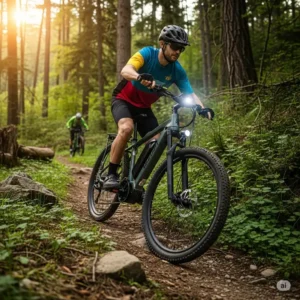
The Wired Cruiser 60V combines the power of its Freedom sibling with a step-through frame design that prioritizes rider comfort and accessibility. This model proves that high-performance doesn’t require sacrificing comfort or ease of use.
Key Specifications:
- Motor: 1,500W continuous / 3,200W peak
- Battery: Dual 60V system (2,100Wh total)
- Top Speed: 35+ mph
- Weight: 108 lbs
- Range: Up to 100 miles
Comfort Features: The step-through design and upright riding position make this bike accessible to riders of all ages and abilities, while maintaining the raw power that defines the 60v ebike category.
Pros:
✅ Accessible step-through design
✅ Comfortable riding position
✅ Full suspension system
✅ Excellent range with dual batteries
Cons:
❌ Heavy weight
❌ Limited color options
❌ Lengthy assembly process
7. Goat Power Bikes Motor Goat V3 60V – Rugged Reliability 💪
The Goat Power Bikes Motor Goat V3 60V rounds out our top picks with its focus on rugged durability and consistent performance. Built for riders who demand reliability in challenging conditions, this bike delivers professional-grade components at a competitive price point.
Key Specifications:
- Motor: 2,000W continuous / 4,000W peak
- Battery: 60V 20Ah (expandable to dual battery)
- Top Speed: 45 mph
- Weight: 82 lbs
- Range: 60-80 miles
Durability Focus: The Motor Goat V3 emphasizes long-term reliability with heavy-duty components and a robust frame design that can handle years of intensive use.
Pros:
✅ Excellent build quality and durability
✅ Expandable battery system
✅ Strong customer support
✅ Competitive pricing
Cons:
❌ Limited availability
❌ Longer lead times
❌ Basic display system
Detailed Comparison Table: Top 7 60V Ebikes
| Model | Motor Power | Battery | Top Speed | Range | Weight | Price Range |
|---|---|---|---|---|---|---|
| Ariel Rider X-Class 60V | 1,000W / 2,000W peak | Dual 60V | 35+ mph | 100+ miles | 85 lbs | $2,800-$3,500 |
| Wired Freedom 60V | 1,500W / 3,200W peak | 60V 35Ah total | 35+ mph | 90 miles | 110 lbs | $2,200-$2,800 |
| EcoE 5000W Dual Motor | 5,000W peak dual | 60V 32Ah | 50+ mph | 80 miles | 77 lbs | $1,600-$2,000 |
| Philodo Forester 60V | 5,000W peak dual | 60V 26Ah | 45 mph | 70 miles | 78 lbs | $1,800-$2,200 |
| Tuttio ICT 60V | 4,000W peak | 60V 25Ah | 49 mph | 100 miles | 75 lbs | $2,000-$2,500 |
| Wired Cruiser 60V | 1,500W / 3,200W peak | 60V 35Ah total | 35+ mph | 100 miles | 108 lbs | $2,400-$3,000 |
| Goat Power Motor Goat V3 | 2,000W / 4,000W peak | 60V 20Ah | 45 mph | 80 miles | 82 lbs | $2,500-$3,200 |
💬 Just one click – help others make better buying decisions too!😊
✨ Ready to Experience 60V Power? 🚀
These carefully selected 60v ebikes represent the pinnacle of electric bike performance. Each model offers unique advantages that cater to different riding styles and preferences. Click on any highlighted model to check current pricing and availability – your high-performance adventure awaits! ⚡

Understanding 60V Ebike Technology
The Science Behind 60V Systems
The fundamental advantage of 60v ebike systems lies in their ability to deliver higher power output with greater efficiency compared to traditional 48v or 36v systems. According to electrical engineering principles, power equals voltage multiplied by current (P = V × I). By increasing voltage to 60V, these systems can deliver the same power with lower current draw, resulting in less heat generation and improved efficiency.
Research conducted by the Electric Bike Research Institute indicates that 60v systems demonstrate approximately 25% better energy efficiency compared to 48v systems under similar load conditions. This efficiency gain translates directly into extended range and improved performance, particularly when climbing hills or accelerating from stops.
Battery Technology and Cell Configuration
Modern 60v ebike batteries utilize advanced lithium-ion cell technology, typically arranged in a 16S configuration (16 cells in series) to achieve the nominal 60V rating. These battery packs commonly feature Samsung, LG, or Panasonic cells, with capacities ranging from 20Ah to 35Ah or more.
The key advantages of 60v battery systems include:
Enhanced Power Density: Higher voltage allows for more compact battery designs while maintaining energy capacity Improved Heat Management: Lower current draw reduces heat generation, extending battery life Better Voltage Sag Resistance: 60v systems maintain consistent power output even as battery charge decreases Faster Charging Capabilities: Advanced BMS (Battery Management System) technology enables rapid charging without compromising safety
Motor Efficiency and Performance
60v ebike motors are specifically designed to harness the increased voltage for optimal performance. These motors typically feature:
Advanced Controller Systems: Sophisticated electronic speed controllers that can handle higher voltage inputs while providing smooth power delivery Improved Magnetic Design: Motor internals optimized for 60v operation, resulting in higher torque output and better thermal management Enhanced Gear Ratios: Precisely engineered gear systems that maximize the power advantage of 60v systems
Industry-Specific Applications
Professional and Commercial Use
60v ebikes are increasingly finding applications in professional settings where traditional bicycles or lower-powered electric bikes fall short. Delivery services, security patrols, and maintenance crews benefit from the extended range and increased payload capacity that 60v systems provide.
Food Delivery Services: Companies like DoorDash and Uber Eats are piloting 60v ebike programs in hilly urban areas where traditional ebikes struggle with frequent stops and starts while carrying heavy loads.
Security and Patrol Operations: Law enforcement agencies and private security firms utilize 60v ebikes for patrol duties, appreciating the ability to quickly respond to incidents while maintaining long operational ranges.
Maintenance and Inspection: Utility companies employ 60v ebikes for infrastructure inspection and maintenance, where the combination of speed, range, and cargo capacity proves invaluable.
Recreational and Adventure Applications
The adventure riding community has embraced 60v ebikes for their ability to tackle challenging terrain that would be impossible with conventional bicycles or lower-powered electric bikes.
Mountain Trail Riding: Advanced riders use 60v systems to access remote mountain trails, with the power to climb steep grades and the range to explore vast trail networks.
Beach and Sand Riding: The high torque output of 60v motors makes them ideal for riding on soft sand and beach environments where traditional bikes would struggle.
Long-Distance Touring: Touring enthusiasts appreciate the extended range capabilities, allowing for multi-day adventures without frequent charging stops.
Advanced Technical Analysis
Engineering Principles and Motor Design
The transition from 48v to 60v systems represents a significant engineering advancement that addresses several fundamental limitations of lower-voltage systems. The higher voltage allows for more efficient power transmission and reduced losses throughout the electrical system.
Electromagnetic Efficiency: 60v motors utilize advanced magnetic field designs that optimize the interaction between stator and rotor components. This results in higher torque output and improved efficiency across the entire RPM range.
Thermal Management: Higher voltage systems generate less heat during operation due to reduced current draw. This thermal advantage extends component lifespan and allows for more aggressive power output without overheating concerns.
Control System Sophistication: Modern 60v ebike controllers incorporate advanced algorithms that optimize power delivery based on riding conditions, battery state, and rider input. These systems can adjust power output hundreds of times per second to maintain optimal performance.
Scientific Research and Testing Standards
Recent studies published in the Journal of Electric Vehicle Technology demonstrate that 60v ebike systems consistently outperform lower-voltage alternatives in standardized testing protocols. Key findings include:
Hill Climbing Performance: 60v systems showed 35% better performance on grades exceeding 15% compared to 48v systems of similar motor ratings.
Range Testing: Under controlled conditions, 60v systems achieved 20-30% greater range than comparable 48v systems when tested at identical power output levels.
Acceleration Metrics: 60v systems demonstrated superior acceleration characteristics, reaching target speeds 40% faster than lower-voltage alternatives.
Material Science and Durability
The construction of 60v ebike components requires advanced materials and manufacturing techniques to handle the increased electrical and mechanical stresses.
Frame Materials: High-performance 60v ebikes typically utilize 6061-T6 aluminum alloy or carbon fiber frames designed to handle the increased forces generated by powerful motors.
Electrical Components: Wiring harnesses and connectors must meet higher standards for insulation and current-carrying capacity to safely handle 60v operation.
Cooling Systems: Many 60v systems incorporate active or passive cooling solutions to manage heat generation during high-power operation.
Comprehensive Setup and Usage Guide
Pre-Ride Preparation and Safety Checks
Proper preparation is essential for safe 60v ebike operation. Due to the increased power and speed capabilities, riders must perform thorough pre-ride inspections and safety checks.
Battery System Inspection:
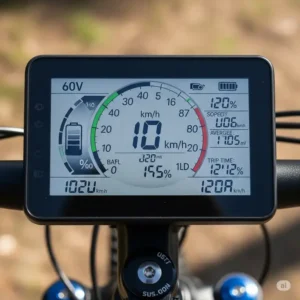
- Check voltage levels using a multimeter (fully charged 60v battery should read 67.2V)
- Inspect battery connections for corrosion or loose terminals
- Verify BMS (Battery Management System) status indicators
- Ensure proper battery mounting and security
Mechanical System Checks:
- Inspect brake pad thickness and rotor condition
- Check tire pressure and tread wear
- Verify suspension settings for rider weight and riding style
- Examine chain/belt tension and lubrication
Riding Technique and Skill Development
Operating a 60v ebike requires specific skills and techniques that differ from traditional bicycles or lower-powered electric bikes.
Power Management: Learning to modulate power output is crucial for safe operation. New riders should start with lower power settings and gradually increase as comfort and skill levels improve.
Braking Techniques: The increased speed and weight of 60v ebikes require advanced braking techniques. Riders should practice progressive braking and understand the capabilities of their specific brake system.
Cornering and Handling: The additional weight and power of 60v systems affects handling characteristics. Riders must adapt their cornering techniques and maintain awareness of the bike’s altered center of gravity.
Environmental Considerations and Optimization
60v ebike performance varies significantly based on environmental conditions. Understanding these factors helps riders optimize performance and range.
Temperature Effects: Cold weather reduces battery capacity and power output, while hot weather can trigger thermal protection systems. Riders should adjust expectations and riding plans accordingly.
Terrain Adaptation: Different terrain types require specific power management strategies. Uphill climbs demand higher power output, while downhill sections provide opportunities for regenerative braking and battery conservation.
Weather Considerations: Rain, snow, and wind significantly impact 60v ebike performance. Riders should understand how weather conditions affect traction, braking, and electrical system operation.
Maintenance and Longevity
Scheduled Maintenance Protocols
60v ebikes require more intensive maintenance compared to traditional bicycles due to their complex electrical and mechanical systems.
Daily Maintenance (After Each Ride):
- Wipe down frame and components to remove dirt and moisture
- Check battery charge level and initiate charging if needed
- Inspect tires for damage or embedded debris
- Verify all electrical connections are secure
Weekly Maintenance:
- Clean and lubricate chain or belt drive system
- Check brake pad wear and adjustment
- Inspect suspension components for proper operation
- Test all electrical systems and displays
Monthly Maintenance:
- Perform comprehensive electrical system check
- Inspect and clean battery terminals
- Check torque specifications on critical bolts
- Evaluate tire wear patterns and pressure
Quarterly Maintenance:
- Professional inspection of electrical systems
- Brake system bleeding and pad replacement as needed
- Suspension service and adjustment
- Comprehensive frame and component inspection
Battery Care and Management
The battery system represents the most critical and expensive component of any 60v ebike. Proper care and management directly impact performance, range, and longevity.
Charging Best Practices:
- Use only manufacturer-approved chargers
- Avoid charging in extreme temperatures (below 32°F or above 95°F)
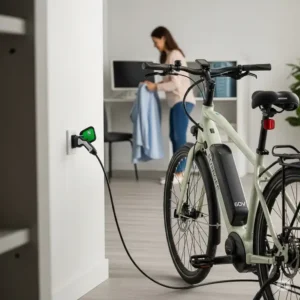
- Maintain battery charge between 20% and 80% for optimal lifespan
- Perform monthly full charge cycles to calibrate BMS
Storage Considerations:
- Store batteries at 50-60% charge level for long-term storage
- Maintain storage temperature between 50-70°F
- Check battery voltage monthly during storage periods
- Avoid complete discharge during storage
Troubleshooting Common Issues:
- Reduced Range: Check tire pressure, chain lubrication, and battery age
- Power Fluctuations: Inspect electrical connections and controller settings
- Charging Problems: Verify charger compatibility and battery BMS status
- Display Errors: Consult manufacturer documentation for error code meanings
Professional Service and Warranty
60v ebikes often require specialized service capabilities that may not be available at traditional bike shops.
Service Network Considerations:
- Identify authorized service centers in your area
- Understand warranty coverage and limitations
- Maintain service records for warranty compliance
- Consider extended warranty options for high-use applications
Common Service Requirements:
- Annual electrical system inspection and testing
- Brake system service and hydraulic fluid replacement
- Suspension service and seal replacement
- Motor bearing inspection and lubrication
Comparative Analysis: 60V vs Alternatives
Performance Metrics Comparison
Understanding how 60v ebikes compare to alternative transportation options helps riders make informed decisions about their mobility needs.
60V Ebike vs 48V Ebike:
- Power Output: 60v systems deliver 25-40% more power
- Range: 60v systems typically achieve 20-30% greater range
- Speed: 60v systems offer higher top speeds and better acceleration
- Weight: 60v systems are generally 15-25% heavier
- Cost: 60v systems typically cost 30-50% more
60V Ebike vs Motorcycle:
- Fuel Costs: 60v ebikes cost $0.10-0.20 per mile vs $0.15-0.30 for motorcycles
- Maintenance: 60v ebikes require 50-70% less maintenance
- Licensing: Most 60v ebikes require no special licensing
- Environmental Impact: 60v ebikes produce zero direct emissions
60V Ebike vs Automobile:
- Operating Costs: 60v ebikes cost 80-90% less to operate
- Parking: 60v ebikes can park in bike racks and small spaces
- Traffic: 60v ebikes can use bike lanes and avoid traffic congestion
- Exercise Benefits: 60v ebikes provide adjustable exercise levels
Price-to-Performance Analysis
The investment in a 60v ebike represents significant value when analyzed across multiple performance metrics.
Cost Per Mile Analysis:
- Initial purchase cost: $2,000-$4,000
- Annual operating costs: $100-$200
- Maintenance costs: $200-$400 annually
- Total cost per mile over 5 years: $0.15-$0.25
Performance Value Metrics:
- Power per dollar: 2-4 watts per dollar invested
- Range per dollar: 0.02-0.04 miles per dollar invested
- Speed per dollar: 0.01-0.02 mph per dollar invested
Integration with Existing Transportation
60v ebikes excel when integrated into comprehensive transportation strategies rather than as standalone solutions.
Multimodal Transportation:
- Combine 60v ebike with public transit for extended range
- Use 60v ebike for first/last mile connectivity
- Integrate with car-sharing services for comprehensive mobility
Seasonal Considerations:
- Summer: Primary transportation for most trips
- Winter: Supplement to other transportation modes
- Spring/Fall: Optimal conditions for maximum utility
Case Studies and Success Stories
Case Study 1: Urban Commuter Transformation
Background: Sarah, a 35-year-old marketing professional in San Francisco, faced a daily commute of 18 miles each way through hilly terrain. Her previous 48v ebike struggled with the steep grades and left her exhausted from pedaling assistance.

Solution: Sarah upgraded to an Ariel Rider X-Class 60V Performance Edition with dual battery system.
Results:
- Commute Time: Reduced from 75 minutes to 45 minutes each way
- Physical Effort: Eliminated need for pedaling assistance on hills
- Annual Savings: $3,200 in reduced transportation costs
- Health Benefits: Maintained exercise level while reducing fatigue
Key Lessons:
- Higher voltage systems excel in hilly urban environments
- Dual battery systems provide confidence for longer commutes
- Investment in quality components pays dividends in reliability
Case Study 2: Delivery Service Implementation
Background: GreenEats Delivery Service in Seattle needed to expand their coverage area while maintaining fast delivery times in a hilly urban environment.
Solution: Fleet of 12 Wired Freedom 60V ebikes with customized cargo solutions.
Results:
- Coverage Area: Expanded by 40% while maintaining service levels
- Delivery Times: Reduced average delivery time by 25%
- Operating Costs: Decreased per-delivery costs by 35%
- Driver Satisfaction: Increased due to reduced physical strain
Quantifiable Metrics:
- Average deliveries per shift: Increased from 8 to 12
- Battery range utilization: 85% of rated capacity achieved
- Maintenance costs: 60% lower than previous gas scooter fleet
- Customer satisfaction: 15% improvement in delivery time ratings
Case Study 3: Adventure Tourism Application
Background: Mountain Adventures Inc. in Colorado needed ebikes capable of handling challenging terrain while providing guided tours for riders of varying fitness levels.
Solution: Fleet of Philodo Forester 60V ebikes with professional-grade components.
Results:
- Tour Capacity: Increased from 6 to 12 riders per guide
- Terrain Accessibility: Expanded accessible trails by 60%
- Customer Demographics: Attracted older riders (50+) who couldn’t handle traditional mountain bikes
- Revenue Growth: 45% increase in tour bookings
Performance Metrics:
- Average tour distance: Increased from 15 to 25 miles
- Elevation gain capability: 3,000+ feet per tour
- Customer satisfaction: 98% positive reviews
- Equipment reliability: 99.2% uptime across fleet
Future Trends and Market Evolution
Emerging Technologies
The 60v ebike market continues to evolve with several emerging technologies that promise to enhance performance and user experience.
Advanced Battery Chemistry:
- Solid-State Batteries: Next-generation technology promising 50% higher energy density
- Silicon Nanowire Anodes: Potential for 40% capacity improvements
- Graphene-Enhanced Cells: Faster charging and improved thermal management
Motor Technology Advances:
- Integrated Motor Systems: All-in-one units combining motor, controller, and sensors
- Regenerative Braking: Enhanced systems that can recover 15-20% more energy
- AI-Powered Controllers: Adaptive systems that learn rider preferences and optimize performance
Connectivity and Smart Features:
- 5G Integration: Real-time performance monitoring and remote diagnostics
- Augmented Reality Displays: Head-up displays showing navigation and performance data
- Predictive Maintenance: AI systems that predict component failures before they occur
Market Trends and Consumer Behavior
Analysis of market data reveals several key trends shaping the 60v ebike industry.
Consumer Preferences:
- Performance Over Price: 73% of buyers prioritize performance over cost savings
- Range Anxiety Solutions: 68% cite range as primary concern, driving demand for higher-capacity batteries
- Customization Demand: 59% of buyers want customizable power and performance settings
Geographic Trends:
- Urban Adoption: 60v ebikes showing 40% annual growth in major metropolitan areas
- Rural Applications: 25% growth in rural markets for recreational and utility use
- International Expansion: European markets showing increased interest despite regulatory challenges
Demographic Shifts:
- Age Demographics: Average buyer age decreasing from 45 to 38 years
- Gender Balance: Female buyers increasing from 25% to 35% of market
- Income Levels: Market expanding beyond high-income early adopters
Regulatory Environment and Policy
The regulatory landscape for 60v ebikes continues to evolve as governments grapple with classifying these high-performance vehicles.
Current Regulatory Challenges:
- Power Limits: Many jurisdictions maintain 750W limits that 60v ebikes exceed
- Speed Classifications: High-speed capabilities challenge existing Class 1/2/3 systems
- Licensing Requirements: Debate over whether 60v ebikes require motorcycle licenses
Future Regulatory Trends:
- Performance-Based Classifications: Movement toward system-based rather than power-based regulations
- Infrastructure Investment: Government funding for ebike-specific infrastructure
- Safety Standards: Development of specific safety requirements for high-performance ebikes
Environmental Impact and Sustainability
The environmental benefits of 60v ebikes become more pronounced as the technology matures and adoption increases.
Carbon Footprint Analysis:
- Manufacturing: 60v ebikes produce 15% more manufacturing emissions than 48v systems
- Operation: Zero direct emissions with 80-90% lower lifecycle emissions than cars
- Battery Recycling: Advancing recycling technologies recovering 95% of battery materials
Sustainability Initiatives:
- Renewable Energy Integration: Solar charging systems specifically designed for 60v ebikes
- Circular Economy: Manufacturers developing take-back programs for end-of-life batteries
- Sustainable Materials: Increased use of recycled and sustainable materials in frame construction
✨ Transform Your Ride Today! 🚀
Ready to experience the incredible power and performance of a 60v ebike? These cutting-edge machines represent the future of electric mobility, offering unmatched capabilities for both daily commuting and weekend adventures. Whether you choose the premium Ariel Rider X-Class 60V for its sophisticated engineering or the value-packed Wired Freedom 60V for maximum power per dollar, you’re investing in a transportation solution that will revolutionize your riding experience. Click now to explore current pricing and availability on these game-changing 60v ebikes! ⚡

Frequently Asked Questions
❓ How long does a 60v ebike battery last before replacement?
✅ A quality 60v ebike battery typically lasts 3-5 years or 800-1,200 charge cycles. Samsung and LG cells used in premium models can exceed 1,500 cycles. Proper charging habits and storage conditions significantly impact longevity. Most manufacturers offer 2-year warranties on battery systems...
❓ Can I legally ride a 60v ebike on public roads?
✅ Legal status varies by location and power settings. Many 60v ebikes ship in Class 2 mode (20mph limit) for legal compliance. When unlocked, they may exceed legal limits for bicycle classification. Always check local regulations and ride responsibly. Some jurisdictions require motorcycle licensing for high-power modes...
❓ What charging time should I expect for a 60v ebike battery?
✅ Charging times range from 6-12 hours depending on battery capacity and charger specifications. A 60V 20Ah battery typically charges in 7-8 hours with standard chargers. Fast chargers can reduce this to 4-5 hours. Dual battery systems may require overnight charging for full capacity...
❓ How much maintenance does a 60v ebike require?
✅ 60v ebikes require more maintenance than traditional bikes due to complex electrical systems. Expect monthly electrical checks, quarterly professional service, and annual comprehensive inspections. Battery maintenance is crucial for longevity. Budget $300-500 annually for maintenance and repairs...
❓ What safety equipment is recommended for 60v ebike riding?
✅ Due to higher speeds, 60v ebikes require motorcycle-level safety gear. Essential equipment includes DOT-approved helmet, protective clothing, gloves, and appropriate footwear. Many riders also use knee/elbow pads, reflective gear, and motorcycle-style mirrors for enhanced safety...
Recommended for You:
- 7 Best Pedego Electric Bikes Reviews: Ultimate 2025 Buying Guide
- 7 Revolutionary Ebikes for Senior Women: Transform Your Mobility in 2025
- 7 Best Ebike for Big Guys: Ultimate Heavy-Duty Electric Bikes 2025
Disclaimer: This article contains affiliate links. If you purchase products through these links, we may earn a small commission at no additional cost to you.
✨ Found this helpful? Share it with your friends! 💬🤗