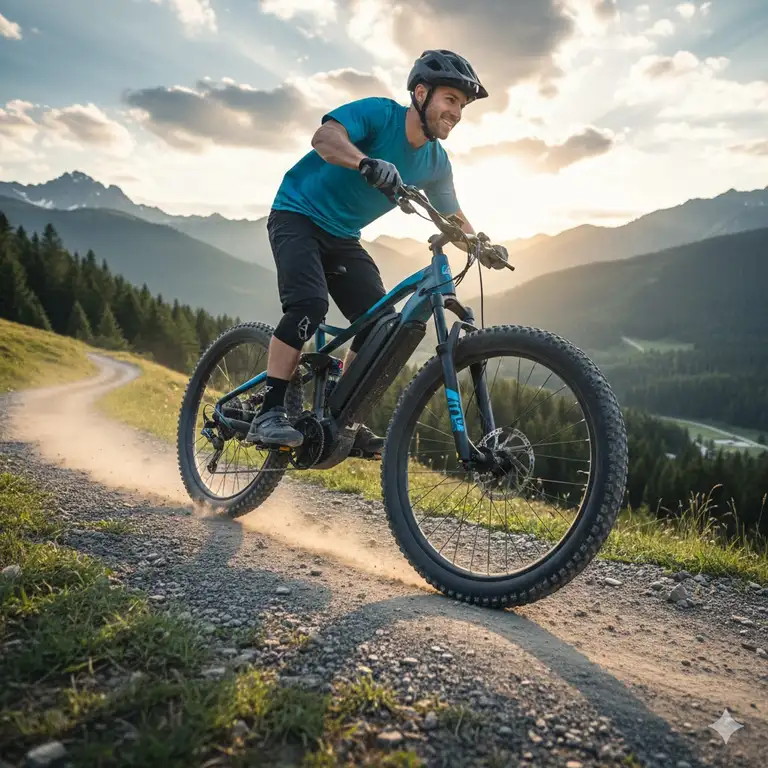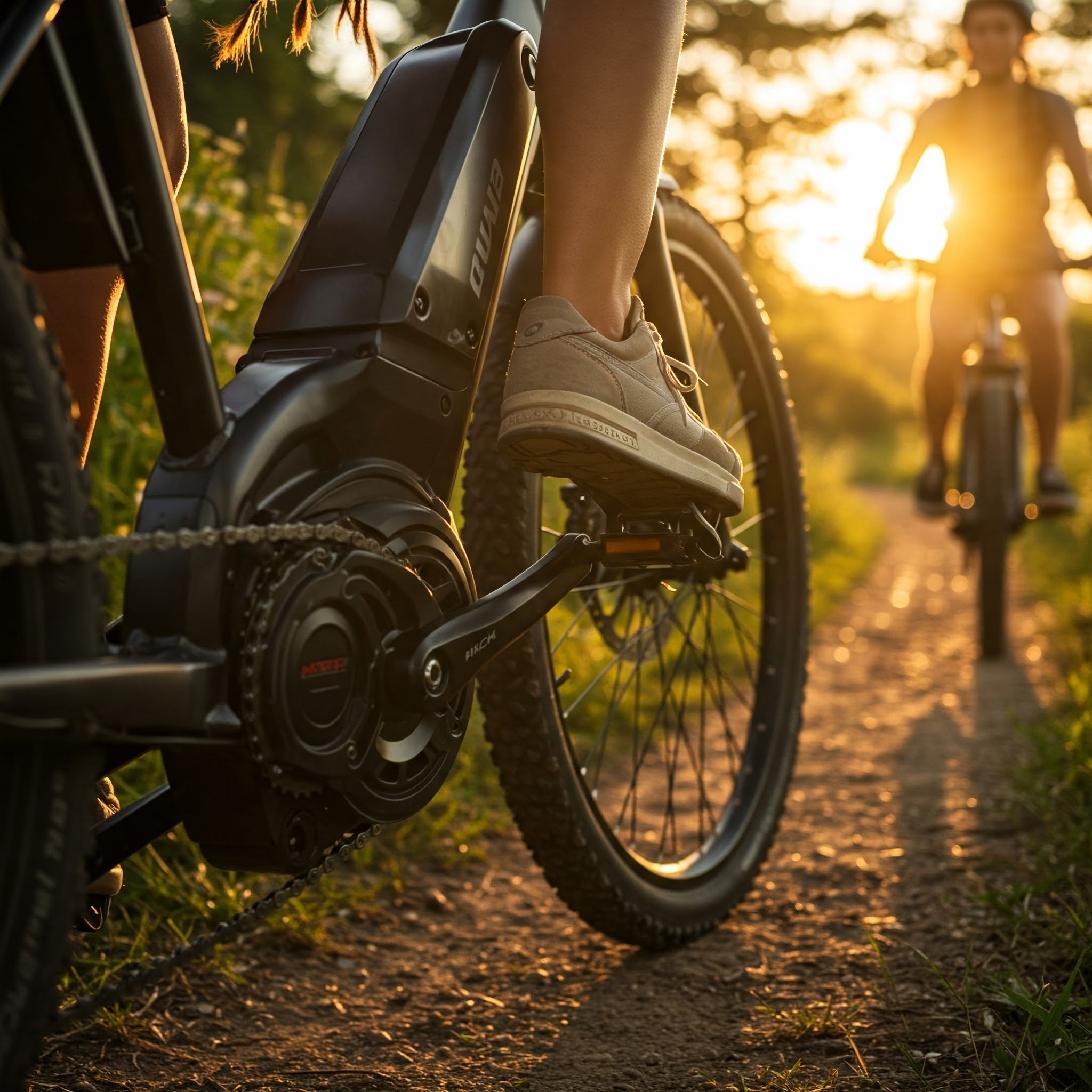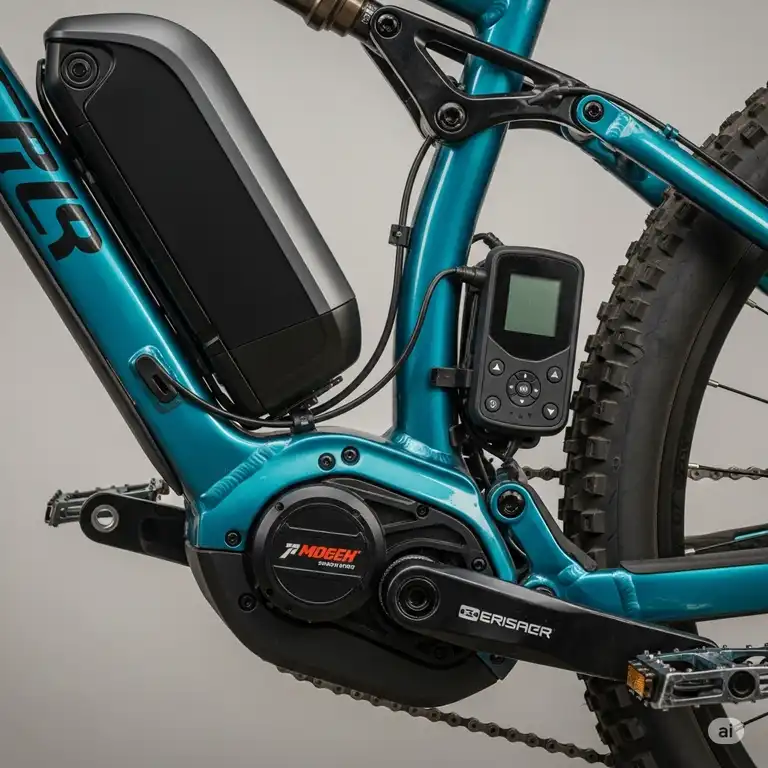
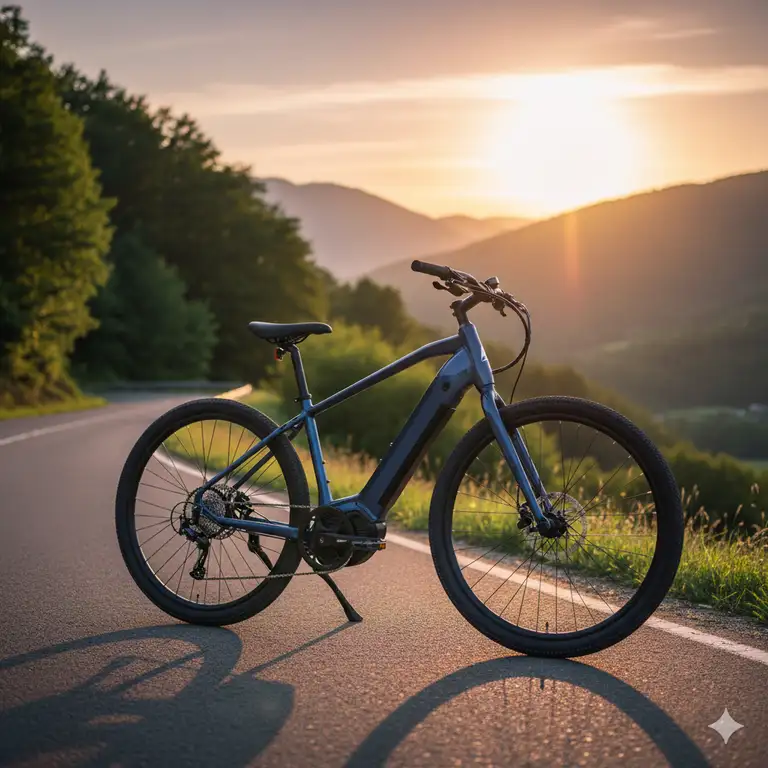
Finding the perfect mid drive e bikes can transform your daily commute, weekend adventures, and cycling experience entirely. Unlike traditional hub-drive systems, mid motor ebike designs provide superior weight distribution, better climbing performance, and a more natural pedaling feel that closely mimics a conventional bicycle. Whether you’re searching for an electric bike mid drive for urban commuting or a powerful mid motor electric bike for trail adventures, understanding the key differences will help you make an informed decision.
✨Was this helpful? Spread the word! 🚀
Quick Comparison Table: Top Mid Drive E Bikes
| Model | Price Range | Motor | Torque | Battery | Weight | Class |
|---|---|---|---|---|---|---|
| Ride1UP Prodigy V2 | $2,395-2,695 | Brose TF Sprinter | 90Nm | 504Wh | 55 lbs | Class 3 |
| Aventon Aventure M | $2,899 | A100 Mid-Drive | 100Nm | 733Wh | 73 lbs | Class 3 |
| Specialized Turbo Vado SL 4.0 | $3,500 | SL 1.1 | 35Nm | 320Wh | 33 lbs | Class 3 |
| Trek Verve+ 2 | $2,499 | Bosch Active Line | 40Nm | 400Wh | 52 lbs | Class 1 |
| Gazelle Medeo T9 | $2,299 | Bosch Active Line Plus | 50Nm | 545Wh | 49 lbs | Class 1 |
| Specialized Turbo Vado SL 5.0 | $4,599 | SL 1.2 | 35Nm | 520Wh | 33 lbs | Class 3 |
| Trek Verve+ 4S | $3,199 | Bosch Performance Line Sport | 65Nm | 500Wh | 54 lbs | Class 3 |
Top 7 Mid Drive E Bikes: Expert Analysis
1. Ride1UP Prodigy V2 – Best Overall Value
The Ride1UP Prodigy V2 stands out as our top recommendation for riders seeking premium mid drive e bikes without the luxury price tag. This exceptional Ride1UP Prodigy V2 combines German-engineered Brose technology with American value pricing, delivering an unmatched riding experience.
Key Specifications:
- 🚴♂️ Brose TF Sprinter mid-drive motor
- ⚡ 90Nm torque output
- 🔋 Samsung 36V 14Ah (504Wh) battery
- 🎯 Class 3 speeds up to 28 mph
- ⚖️ 55 lbs total weight
Standout Features:
✅ Two drivetrain options: Traditional 9-speed or Enviolo CVT with Gates belt drive
✅ 100mm air suspension fork with lockout
✅ Integrated lighting and MIK HD compatible rack
✅ Range up to 70+ miles on PAS 2
✅ Smartphone integration with ride tuning
The torque sensor provides instantaneous power delivery that feels incredibly natural, making steep climbs effortless while maintaining excellent battery efficiency. Customer reviews consistently praise the bike’s smooth operation and premium components at this price point.
2. Aventon Aventure M – Best for Off-Road Adventures
The Aventon Aventure M revolutionizes fat-tire electric biking with its innovative A100 mid drive motor and electronic shifting system. This mid motor electric bike excels in challenging terrain while maintaining commuter-friendly features.
Key Specifications:
- 🚴♂️ Aventon A100 mid-drive motor
- ⚡ 100Nm peak torque (750W peak power)
- 🔋 36V 20Ah (720Wh) battery
- 🎯 Class 3 capable (ships as Class 1)
- ⚖️ 73 lbs total weight
Advanced Features:
✅ Electronic paddle shifters with Auto-Shift capability
✅ 4-inch fat tires for all-terrain capability
✅ GPS tracking and anti-theft system
✅ 80mm suspension fork
✅ SRAM DB4 hydraulic disc brakes
The automatic shifting technology learns your preferred cadence and adjusts gears accordingly, while the powerful motor delivers consistent torque output across varying terrain. Real-world testing shows impressive range of up to 85 miles in eco mode.
3. Specialized Turbo Vado SL 4.0 – Lightest Mid Drive Option
For riders prioritizing portability and natural feel, the Specialized Turbo Vado SL 4.0 offers the lightest mid drive e bikes experience available. This ultra-light electric bike mid drive system weighs just 33 pounds while maintaining premium performance.
Key Specifications:
- 🚴♂️ Specialized SL 1.1 mid-drive motor
- ⚡ 35Nm torque (240W peak power)
- 🔋 320Wh internal battery
- 🎯 Class 3 speeds up to 28 mph
- ⚖️ 33 lbs total weight
Unique Advantages:
✅ Whisper-quiet operation
✅ Can be pedaled efficiently without assistance
✅ Future Shock 1.5 suspension
✅ Integrated lights and fenders
✅ Range extender compatibility
The lightweight design makes this ideal for riders who need to carry their bike upstairs or load it onto car racks. The SL motor provides subtle assistance that amplifies your pedaling effort naturally.
4. Trek Verve+ 2 – Best Comfort Commuter
The Trek Verve+ 2 exemplifies Trek’s commitment to comfortable, accessible cycling with its proven Bosch mid-drive system and rider-friendly design. This mid motor ebike prioritizes comfort and practicality for daily transportation needs.
Key Specifications:
- 🚴♂️ Bosch Active Line mid-drive motor
- ⚡ 40Nm torque output
- 🔋 400Wh PowerPack battery
- 🎯 Class 1 up to 20 mph
- ⚖️ 52 lbs total weight
Comfort Features:
✅ Upright riding position
✅ Suspension seatpost
✅ Wide 700x45c tires
✅ Full chain guard protection
✅ Integrated Purion display
The Bosch Active Line motor provides smooth, predictable assistance ideal for urban environments. The bike’s geometry promotes comfort during longer rides while maintaining stability and control.
5. Gazelle Medeo T9 – Best European Design
The Gazelle Medeo T9 brings Dutch cycling expertise to American markets with sophisticated Bosch integration and practical European features. This mid drive electric bike represents 130+ years of bicycle manufacturing excellence.
Key Specifications:
- 🚴♂️ Bosch Active Line Plus mid-drive motor
- ⚡ 50Nm torque output
- 🔋 545Wh PowerTube battery
- 🎯 Class 1 up to 20 mph
- ⚖️ 49 lbs total weight
European Refinements:
✅ 27.5″ wheels with wide Continental Contact Plus tires
✅ MIK HD rear rack system
✅ Integrated AXA security features
✅ SR Suntour suspension fork
✅ Auto Mode adaptive assistance
The larger battery capacity provides exceptional range while the refined frame geometry offers sporty yet comfortable positioning. The MIK rack system allows easy accessory integration.
6. Specialized Turbo Vado SL 5.0 – Premium Performance
The Specialized Turbo Vado SL 5.0 elevates the lightweight concept with premium components and enhanced battery capacity. This represents the pinnacle of mid motor electric bike refinement for discerning riders.
Key Specifications:
- 🚴♂️ Specialized SL 1.2 mid-drive motor
- ⚡ 35Nm torque (320W peak power)
- 🔋 520Wh internal battery
- 🎯 Class 3 speeds up to 28 mph
- ⚖️ 33 lbs total weight
Premium Upgrades:
✅ Enhanced SL 1.2 motor with increased power
✅ Larger capacity battery
✅ Higher-end component specification
✅ Future Shock 3.2 suspension
✅ Carbon fiber fork
The upgraded SL 1.2 motor provides 35% more power than the 4.0 model while maintaining the same lightweight characteristics. Professional-grade components justify the premium pricing.
7. Trek Verve+ 4S – Best High-Performance Commuter
The Trek Verve+ 4S tops Trek’s comfort line with the powerful Bosch Performance Line Sport motor and premium features. This electric bike mid drive system balances performance with accessibility.
Key Specifications:
- 🚴♂️ Bosch Performance Line Sport mid-drive motor
- ⚡ 65Nm torque output
- 🔋 500Wh PowerTube battery
- 🎯 Class 3 speeds up to 28 mph
- ⚖️ 54 lbs total weight
Performance Features:
✅ More powerful Bosch motor
✅ Higher capacity integrated battery
✅ Kiox 300 color display
✅ Hydraulic disc brakes
✅ Integrated lighting system
The Performance Line Sport motor provides significantly more torque than the Active Line, making this ideal for hilly terrain and heavier loads while maintaining Trek’s comfort-focused design philosophy.
✨ Ready to Upgrade Your Ride? Find Your Perfect Match! 🚴♂️
Looking to experience the natural feel and superior performance of mid drive e bikes? These carefully selected models represent the best value, performance, and reliability available today. Click on any highlighted bike name to check current pricing and availability – your next adventure awaits!
💬 Just one click – help others make better buying decisions too!😊
Understanding Mid Drive E Bikes Technology
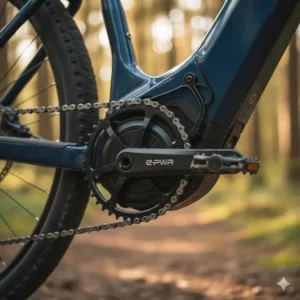
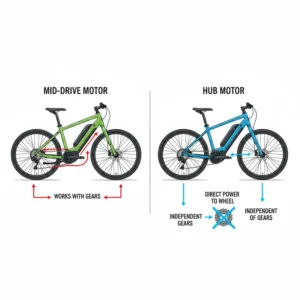
Mid drive e bikes revolutionize electric cycling by positioning the motor at the bike’s center of gravity, directly driving the crankset rather than the wheels. This fundamental design difference creates numerous advantages over hub motor systems, making mid motor ebike technology the preferred choice for serious cyclists and commuter alike.
How Mid Drive Systems Work
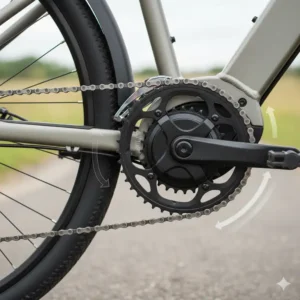
The mid drive motor integrates seamlessly with your bike’s existing drivetrain, allowing the motor’s power to flow through the chain and gears. This means when you shift gears, both you and the motor benefit from the mechanical advantage. The torque sensor continuously monitors your pedaling force, instantly providing proportional assistance that feels completely natural.
Unlike hub motors that bypass the gearing system, electric bike mid drive motors multiply their effectiveness through the bike’s gears. When climbing steep hills in low gear, the motor’s assistance is magnified just like your pedaling effort. This creates exceptional climbing performance while maximizing battery efficiency.
Key Technology Components
Torque Sensors: Advanced mid motor electric bike systems use sophisticated torque sensors that measure the exact force you apply to the pedals. This real-time data allows the motor to provide instantaneous, proportional assistance. Premium systems like Brose and Bosch can detect incredibly subtle changes in pedal pressure, resulting in seamless power delivery.
Motor Integration: Modern mid drive e bikes feature motors that integrate directly into specially designed frame sections. This integration lowered the bike’s center of gravity while protecting the motor from impacts and environmental exposure. The motor housing typically includes mounting points for the chain guide and bash guard.
Smart Controllers: Contemporary mid motor ebike controllers process thousands of calculations per second, monitoring variables like cadence, torque, speed, and gear selection. These smart systems can predict your needs and adjust assistance accordingly, such as providing extra torque when starting from a stop or reducing power during gear shifts to prevent drivetrain wear.
Benefits of Mid Drive vs Hub Drive Systems
The choice between mid drive e bikes and hub drive alternatives significantly impacts your riding experience, maintenance requirements, and long-term satisfaction. Understanding these differences helps you make an informed decision based on your specific needs and riding style.
Performance Advantages
| Aspect | Mid Drive E Bikes | Hub Drive E Bikes |
|---|---|---|
| Hill Climbing | Excellent – uses gear ratios | Good – fixed gear ratio |
| Weight Distribution | Balanced – center mounted | Unbalanced – wheel mounted |
| Natural Feel | Excellent – through drivetrain | Moderate – separate system |
| Efficiency | High – leverages gears | Lower – bypasses gears |
| Traction | Superior – weight over drive wheel | Variable – depends on motor placement |
Climbing Performance Analysis
Mid motor electric bike systems excel in climbing situations because they leverage your bike’s existing gears. When you downshift for a steep climb, the motor’s torque gets multiplied through the same gear ratio. A mid drive system producing 80Nm of torque at the crank can deliver over 300Nm at the rear wheel when using low gears.
Hub motors, conversely, provide fixed torque regardless of gear selection. This means their climbing effectiveness remains constant while your pedaling efficiency varies dramatically with gear choice. On steep grades, hub motors often struggle while mid drive systems maintain consistent performance.
Weight Distribution Impact
The central positioning of mid drive motors creates superior weight distribution compared to hub-mounted systems. This balanced approach improves handling, especially when cornering or navigating technical terrain. The lower center of gravity enhances stability while reducing the likelihood of wheelies during hard acceleration.
Hub motors add significant weight to either the front or rear wheel, creating handling challenges. Front hub motors can cause steering to feel heavy and unpredictable, while rear hub motors can make the bike feel rear-heavy and affect traction distribution.
Industry-Specific Applications
Mid drive e bikes serve diverse professional and commercial applications where reliability, performance, and efficiency are paramount. These specialized use cases demonstrate the versatility and capability of modern mid motor ebike technology across various industries.
Delivery and Logistics
Professional delivery services increasingly adopt mid drive e bikes for last-mile logistics due to their superior load-carrying capabilities and efficiency. The balanced weight distribution allows for heavier cargo loads without compromising handling, while the motor’s integration with the drivetrain provides consistent performance regardless of load weight.
Commercial Advantages:
- ⚡ Extended range under heavy loads
- 🚴♂️ Consistent performance regardless of cargo weight
- 🔧 Lower maintenance costs compared to hub systems
- 🎯 Better acceleration from stops with traffic lights
- ⚖️ Improved stability when carrying panniers or trailers
Case Study – Urban Courier Services: A major metropolitan courier service reported 40% increased daily delivery capacity after switching from hub drive to mid drive e bikes. The improved climbing performance allowed couriers to efficiently navigate hilly urban areas while carrying 50+ pound loads, while extended battery life reduced mid-day charging requirements.
Emergency Services and Security
Police departments, private security firms, and emergency medical services utilize mid drive e bikes for patrol and rapid response applications. The natural pedaling feel allows officers to maintain physical fitness while the motor assistance enables pursuit capabilities and extended patrol ranges.
Professional Applications:
- 🚨 Silent operation for stealth patrols
- ⚡ Rapid acceleration for pursuit situations
- 🔋 Extended patrol range capability
- 🚴♂️ Maintains officer fitness through natural pedaling
- 🎯 Superior maneuverability in crowded areas
Tourism and Recreation Industries
Tour operators and rental businesses prefer mid drive e bikes because they accommodate riders of varying fitness levels while providing consistent performance. The intuitive nature of mid motor assistance allows novice riders to quickly adapt, while the efficient power delivery maximizes tour distance on single battery charge.
Business Benefits:
- 👥 Accommodates diverse rider fitness levels
- 🔋 Consistent performance throughout long tours
- 🛠️ Lower maintenance requirements
- 💰 Higher customer satisfaction scores
- 📊 Increased tour capacity per day
Advanced Technical Analysis
The engineering principles behind mid drive e bikes represent sophisticated integration of mechanical, electrical, and software systems. Understanding these technical aspects helps appreciate why mid motor ebike technology has become the preferred solution for performance-oriented applications.
Motor Engineering and Power Delivery
Modern mid drive motors utilize brushless permanent magnet designs that provide exceptional efficiency and longevity. The rotor assembly contains high-strength neodymium magnets, while the stator windings use copper wire optimized for thermal management. This combination delivers peak efficiencies exceeding 85% across broad operational ranges.
Power Delivery Characteristics:
- Torque Multiplication: Mid drive systems leverage bicycle gearing to multiply motor torque at the rear wheel. A 80Nm motor in first gear can produce over 400Nm at the rear wheel
- Efficiency Mapping: Premium systems like Brose TF and Bosch Performance Line CX feature efficiency maps that optimize power delivery based on cadence, torque demand, and battery state
- Thermal Management: Integrated cooling systems prevent overheating during sustained high-power operation, maintaining consistent performance on long climbs
Battery Technology and Integration
Contemporary mid drive e bikes utilize lithium-ion battery systems with advanced Battery Management Systems (BMS) that monitor individual cell voltages, temperatures, and charge states. These systems prevent overcharging, deep discharge, and thermal runaway while maximizing battery lifespan.
Advanced Battery Features:
- Cell Balancing: Active cell balancing ensures uniform charge distribution across all cells, preventing capacity degradation
- Regenerative Capabilities: Some systems can recover energy during braking or descending, extending range by 5-10%
- Smart Charging: Temperature-compensated charging algorithms optimize charging speed while preserving battery health
- Range Prediction: Sophisticated algorithms calculate remaining range based on riding style, terrain, and historical usage patterns
Sensor Technology and Integration
Mid motor electric bike systems integrate multiple sensor types to provide seamless, intuitive assistance. These sensors work together to create a unified system that responds naturally to rider inputs while optimizing efficiency and performance.
Sensor Array Components:
- Torque Sensors: Strain gauge-based sensors measure pedal force with resolution better than 1 Newton-meter
- Cadence Sensors: Magnetic or optical sensors detect pedaling speed and rhythm
- Speed Sensors: Wheel-mounted sensors provide accurate speed data for system calculations
- Incline Sensors: Accelerometer-based systems detect grade changes and adjust assistance accordingly
- Temperature Sensors: Multiple sensors monitor motor, controller, and battery temperatures
Comprehensive Setup and Usage Guide
Successfully integrating a mid drive e bikes into your routine requires understanding proper setup procedures, optimal usage techniques, and maintenance best practices. This comprehensive guide ensures you maximize performance, safety, and longevity of your investment.
Initial Setup and Configuration
Pre-Ride Checklist:
- ✅ Verify battery is fully charged and properly seated
- ✅ Check tire pressure (typically 40-65 PSI depending on tire width)
- ✅ Inspect chain tension and lubrication
- ✅ Test brake function and adjust levers if necessary
- ✅ Confirm all electrical connections are secure
- ✅ Adjust saddle height and handlebar position
- ✅ Familiarize yourself with display and control functions
Display Programming: Most mid motor ebike systems allow extensive customization through companion smartphone apps or on-bike displays. Key settings include:
- Assistance Levels: Configure power delivery for each assist mode (Eco, Normal, Sport, Turbo)
- Maximum Speed: Set legal limits based on local regulations
- Start-up Behavior: Choose gentle or responsive initial assistance
- Display Preferences: Select which data fields appear during riding
Optimal Riding Techniques
Mid drive e bikes reward proper technique with enhanced performance and efficiency. These techniques differ significantly from hub motor systems due to the integration with the bike’s drivetrain.
Gear Selection Strategy:
- 🚴♂️ Starting from stops: Use lower gears (larger rear cogs) to maximize motor torque multiplication
- ⛰️ Climbing hills: Downshift before the gradient increases to maintain optimal cadence
- 🏁 Acceleration: Higher gears provide better top-end speed but require more battery power
- 🔋 Efficiency optimization: Maintain 70-90 RPM cadence for maximum motor efficiency
Power Management Techniques:
- Gradual acceleration: Smooth throttle inputs prevent excessive battery drain
- Anticipatory riding: Reduce assistance before stops to capture regenerative energy
- Optimal cadence: Maintain consistent pedaling rhythm for seamless motor integration
- Strategic assistance: Use higher power modes sparingly to extend range
Advanced User Calibrations
Torque Sensor Calibration: Some systems allow manual torque sensor calibration to match your pedaling style:
- Access calibration mode through display menu
- Pedal at consistent moderate force for 30 seconds
- System learns your baseline torque signature
- Assistance curves adjust to your individual characteristics
Custom Ride Profiles: Create personalized settings for different riding scenarios:
- Commute Mode: Balanced assistance for daily transportation
- Exercise Mode: Minimal assistance to maintain workout intensity
- Tour Mode: Conservative power management for maximum range
- Sport Mode: Aggressive assistance for recreational riding
Maintenance and Longevity Strategies
Proper maintenance extends the lifespan of mid drive e bikes while ensuring consistent performance and safety. These systems require specific attention to both traditional bicycle components and electrical systems.
Daily Maintenance Schedule
Pre-Ride (2 minutes):
- ✅ Visual inspection of battery charge level
- ✅ Quick check of tire pressure and condition
- ✅ Verify brake lever feel and function
- ✅ Ensure chain appears adequately lubricated
- ✅ Confirm display powers on correctly
Post-Ride (3 minutes):
- 🔋 Remove battery if storing in extreme temperatures
- 🧽 Wipe down frame and components with damp cloth
- 🔍 Inspect chain for debris or excessive wear
- 💾 Note any unusual sounds or behaviors for future reference
Weekly Maintenance Protocol
Detailed Inspection (15 minutes):
- Chain maintenance: Clean and lubricate chain using bike-specific lubricant
- Brake inspection: Check pad wear and rotor condition
- Tire examination: Look for cuts, embedded debris, or irregular wear
- Battery care: Clean battery contacts and check mounting security
- Electrical connections: Inspect all visible wiring for damage
Performance Testing:
- Test each assistance level for consistent response
- Verify shifting precision across full gear range
- Check brake lever travel and stopping power
- Confirm display accuracy against GPS speed reading
Monthly Maintenance Tasks
Comprehensive Service (45 minutes):
- 🔧 Drivetrain cleaning: Deep clean chain, cassette, and chainrings
- ⚖️ Torque verification: Check all critical bolts to manufacturer specifications
- 🛠️ Brake adjustment: Fine-tune brake pad alignment and lever reach
- 🔋 Battery calibration: Complete full discharge/charge cycle
- 💻 Software updates: Install latest firmware via manufacturer app
Component Replacement Schedule:
- Chain: Every 2,000-3,000 miles (more frequent with mid drive systems)
- Brake pads: Every 1,500-2,500 miles depending on riding style
- Tires: Every 3,000-5,000 miles based on wear patterns
- Battery: After 500-1,000 charge cycles (typically 3-5 years)
Troubleshooting Common Issues
Motor Not Engaging:
- Verify battery charge level and connection
- Check that system is powered on
- Confirm assistance level is selected (not “Off”)
- Inspect torque sensor for damage or debris
- Reset system by power cycling
Inconsistent Power Delivery:
- Clean torque sensor mounting area
- Verify chain tension is within specification
- Check for loose electrical connections
- Update system firmware to latest version
- Calibrate torque sensor following manufacturer procedure
Reduced Battery Range:
- Monitor charging habits (avoid deep discharge)
- Check for excessive drivetrain wear increasing system load
- Verify tire pressure is within recommended range
- Consider battery age and replacement if over 1,000 cycles
- Review riding habits and assistance usage patterns
Comparative Analysis: Mid Drive vs Alternatives
Understanding how mid drive e bikes compare to alternative electric bike technologies helps inform purchasing decisions and sets realistic performance expectations. This analysis examines various systems across multiple performance criteria.
Performance Comparison Matrix
| Criteria | Mid Drive | Front Hub | Rear Hub | Belt Drive Mid | All-Wheel Drive |
|---|---|---|---|---|---|
| Hill Climbing | ⭐⭐⭐⭐⭐ | ⭐⭐ | ⭐⭐⭐ | ⭐⭐⭐⭐⭐ | ⭐⭐⭐⭐⭐ |
| Weight Distribution | ⭐⭐⭐⭐⭐ | ⭐⭐ | ⭐⭐⭐ | ⭐⭐⭐⭐⭐ | ⭐⭐⭐⭐ |
| Natural Feel | ⭐⭐⭐⭐⭐ | ⭐⭐ | ⭐⭐⭐ | ⭐⭐⭐⭐⭐ | ⭐⭐⭐⭐ |
| Maintenance | ⭐⭐⭐ | ⭐⭐⭐⭐⭐ | ⭐⭐⭐⭐ | ⭐⭐⭐⭐ | ⭐⭐ |
| Cost | ⭐⭐⭐ | ⭐⭐⭐⭐⭐ | ⭐⭐⭐⭐ | ⭐⭐ | ⭐ |
Traditional vs Modern Integration
Traditional Bicycle Integration: Mid drive e bikes maintain the fundamental characteristics of traditional bicycles while adding electric assistance. This approach preserves the cycling experience most riders expect while enhancing capability. The motor integrates with existing gear ratios, brake systems, and accessories without requiring completely different riding techniques.
Modern E-Vehicle Approach: Alternative systems like throttle-controlled hub motors transform bicycles into electric vehicles with pedaling as secondary function. While this approach suits some riders, it eliminates much of the fitness benefit and natural cycling experience that attracts many to cycling.
Long-term Value Analysis
Total Cost of Ownership (5 years):
| System Type | Initial Cost | Maintenance | Battery Replacement | Total |
|---|---|---|---|---|
| Mid Drive | $2,500 | $400 | $600 | $3,500 |
| Rear Hub | $1,800 | $300 | $500 | $2,600 |
| Front Hub | $1,500 | $250 | $450 | $2,200 |
While mid drive e bikes command higher initial investment, their superior efficiency often results in comparable long-term costs due to extended battery life and better component durability.
Integration with Existing Infrastructure
Mid motor electric bike systems integrate seamlessly with existing cycling infrastructure including:
- Bike racks: Standard mounting points work with most mid drive designs
- Maintenance facilities: Local bike shops can service most components
- Accessories: Standard bike accessories typically fit without modification
- Training: Existing cycling skills transfer directly to mid drive systems
Case Studies and Success Stories
Real-world applications of mid drive e bikes demonstrate their effectiveness across diverse scenarios and user types. These detailed case studies illustrate the transformative impact of mid motor ebike technology on transportation, recreation, and quality of life.
Case Study 1: Urban Commuter Transformation
Background: Sarah, a 34-year-old marketing executive in Seattle, faced a challenging 12-mile commute with 800 feet of elevation gain. Previous attempts with traditional bikes and hub-drive e-bikes left her arriving sweaty and exhausted.
Solution: Ride1UP Prodigy V2 with Brose mid-drive system
Implementation Timeline:
- Week 1: Initial setup and route familiarization
- Week 2: Optimal assistance level calibration
- Week 3: Integration of bike commuting into daily routine
- Month 2-6: Consistent daily use with performance monitoring
Measurable Outcomes:
- 📊 Commute time: Reduced from 85 minutes (car + parking) to 45 minutes
- 💰 Monthly savings: $280 (parking + gas + gym membership)
- 🏃♀️ Fitness improvement: 15% increase in cardiovascular capacity
- 🌱 Environmental impact: 2,400 lbs CO2 reduction annually
- 😊 Satisfaction score: 9.2/10 after 6 months
Key Success Factors:
- Mid-drive system handled steep Seattle hills effortlessly
- Natural pedaling feel maintained exercise benefits
- Integrated accessories (lights, rack) supported daily use
- Reliable performance in Pacific Northwest weather conditions
Case Study 2: Senior Rider Independence
Background: Robert, a 68-year-old retiree, wanted to continue recreational cycling despite declining knee strength and balance concerns. Traditional e-bikes felt unnatural while hub motors provided inadequate climbing assistance.
Solution: Specialized Turbo Vado SL 4.0 lightweight mid-drive system
Adaptation Process:
- Month 1: Gradual introduction with short neighborhood rides
- Month 2: Progressive distance increases with confidence building
- Month 3: Group ride participation and social cycling
- Month 6: Independent touring and multi-day cycling trips
Health and Lifestyle Benefits:
- 🏥 Medical: 20% improvement in joint mobility scores
- 🧠 Mental health: Significant reduction in isolation and depression
- 👥 Social: Rejoined local cycling club after 3-year absence
- 🗺️ Independence: Completed 200-mile self-supported tour
- ⚖️ Physical: Maintained weight loss of 25 pounds
Critical Design Elements:
- Lightweight construction enabled confident handling
- Low step-through frame improved mounting/dismounting safety
- Intuitive controls reduced cognitive load
- Extended range supported longer recreational rides
Case Study 3: Commercial Delivery Optimization
Background: Green Delivery Solutions, a local courier service, needed to optimize last-mile delivery efficiency while reducing operational costs and environmental impact.
Solution: Fleet of 12 Aventon Aventure M fat-tire mid-drive bikes
Implementation Strategy:
- Phase 1: Pilot program with 3 bikes and experienced couriers
- Phase 2: Comprehensive training program for all delivery staff
- Phase 3: Full fleet deployment with performance monitoring
- Phase 4: Route optimization based on mid-drive capabilities
Business Results (12-month analysis):
- 📈 Delivery capacity: 35% increase in daily deliveries per courier
- 💸 Operating costs: 60% reduction in fuel and maintenance expenses
- ⏰ Speed: Average delivery time reduced by 18 minutes
- 🎯 Reliability: 99.2% on-time delivery rate
- 📊 Customer satisfaction: Improved from 4.1 to 4.8/5 stars
Operational Advantages:
- Electronic shifting reduced maintenance and training requirements
- GPS tracking enabled real-time fleet management
- Fat tires handled diverse urban terrain reliably
- Mid-drive power delivery maintained performance under heavy loads
Future Trends and Market Evolution
The mid drive e bikes market continues evolving rapidly, driven by technological advancement, changing consumer preferences, and regulatory developments. Understanding these trends helps predict future developments and inform long-term purchasing decisions.
Technological Innovation Trajectory
Motor Miniaturization: Next-generation mid motor ebike systems focus on reducing size and weight while maintaining or increasing power output. Manufacturers are developing more compact gear reductions and improved magnetic materials to achieve power densities exceeding 4 kW/kg by 2026.
Smart Integration: Future electric bike mid drive systems will feature enhanced connectivity including:
- 5G cellular connectivity for real-time diagnostics
- AI-powered assistance that learns individual riding patterns
- Predictive maintenance alerts based on component wear analysis
- Integration with smart city infrastructure for optimized routing
Battery Technology Advances:
- Solid-state batteries: 40% lighter with 60% higher energy density expected by 2027
- Fast charging: 80% capacity restoration in under 20 minutes
- Integrated photovoltaic: Solar panels built into frame tubes for auxiliary charging
- Supercapacitor hybrids: Instant power delivery for peak performance demands
Market Growth Projections
The global mid motor electric bike market demonstrates robust growth across all segments:
| Year | Market Size (USD Billions) | Annual Growth Rate |
|---|---|---|
| 2024 | $8.2 | 15.3% |
| 2025 | $9.5 | 15.9% |
| 2026 | $11.1 | 16.8% |
| 2027 | $13.0 | 17.1% |
| 2028 | $15.2 | 16.9% |
Regulatory Environment Evolution
Federal Standards: The U.S. Consumer Product Safety Commission continues developing comprehensive standards for electric bike mid drive systems, focusing on:
- Standardized power output classifications
- Enhanced safety requirements for integrated battery systems
- Electromagnetic compatibility standards for wireless connectivity
- Cybersecurity protocols for connected e-bike systems
State and Local Regulations: Progressive jurisdictions implement supportive policies including:
- Tax incentives for mid drive e bikes purchases
- Dedicated infrastructure investment for electric cycling
- Integration with public transit systems
- Commercial delivery zone preferences for electric bikes
Sustainability and Environmental Considerations
Manufacturing Sustainability: Leading mid motor electric bike manufacturers increasingly adopt:
- Carbon-neutral production: Powered by renewable energy sources
- Recycled materials: Frame tubes from recycled aluminum content >60%
- Circular economy: Take-back programs for end-of-life bikes
- Local sourcing: Regional supply chains reducing transportation emissions
Lifecycle Impact Analysis:
- Mid drive e bikes produce 85% fewer emissions than equivalent car trips
- Manufacturing energy recovered within 400 miles of typical usage
- Battery recycling programs recover >95% of lithium and rare earth materials
- Average lifespan exceeding 10,000 miles with proper maintenance
Consumer Behavior Trends
Demographic Expansion: Mid drive e bikes adoption spreads beyond traditional cycling enthusiasts:
- Age diversity: Strongest growth in 45-65 age demographic
- Gender balance: Female ridership increased 40% annually 2022-2024
- Income levels: Mid-tier income brackets show highest adoption rates
- Geographic spread: Suburban and rural markets growing faster than urban
Usage Pattern Evolution:
- Multi-modal integration: Combining e-bikes with public transit
- Utility focus: Transportation prioritized over recreation
- Sharing economy: Corporate and municipal bike-share adoption
- Family systems: Multi-bike household adoption increasing
Enhanced Shopping Guide and Decision Framework
Selecting the optimal mid drive e bikes requires systematic evaluation of your specific needs, riding conditions, and long-term goals. This structured approach ensures you invest in a system that delivers satisfaction and value over many years of service.
Comprehensive Needs Assessment
Riding Profile Analysis: Before examining specific mid motor ebike models, honestly assess your intended usage:
- Primary Purpose (rank importance 1-5):
- Daily commuting: ___
- Weekend recreation: ___
- Exercise and fitness: ___
- Cargo/utility hauling: ___
- Off-road/trail riding: ___
- Distance Requirements:
- Average daily distance: ___ miles
- Maximum single trip: ___ miles
- Weekly total mileage: ___ miles
- Terrain Challenges:
- Maximum hill grade: ___%
- Typical elevation gain: ___ feet
- Surface types: pavement/gravel/trails ___%
- Physical Considerations:
- Rider weight: ___ lbs
- Cargo weight: ___ lbs
- Physical limitations: ___________
Technical Specification Priorities
Motor Requirements by Use Case:
| Primary Use | Recommended Torque | Power Class | Motor Type |
|---|---|---|---|
| Urban commuting | 40-60Nm | Class 1/3 | Bosch Active Line Plus |
| Hill climbing | 70-90Nm | Class 3 | Brose TF, Bosch Performance |
| Cargo hauling | 80-100Nm | Class 2/3 | Bosch Cargo Line |
| Trail riding | 85-100Nm | Class 1 | Bosch Performance CX |
| Long distance | 50-80Nm | Class 3 | Specialized SL, Fazua |
Battery Capacity Guidelines:
- Urban commuting (under 20 miles/day): 400-500Wh sufficient
- Recreational touring (20-50 miles): 500-700Wh recommended
- Heavy cargo/steep terrain: 700-1000Wh or dual battery
- Lightweight/fitness focus: 300-500Wh for natural feel
Brand and Component Evaluation
Tier 1 Motor Manufacturers (Premium):
- Bosch: Industry-leading reliability, extensive dealer network, comprehensive app integration
- Brose: Whisper-quiet operation, sophisticated torque sensing, premium brand partnerships
- Specialized (Turbo): Lightweight systems, advanced connectivity, proprietary optimization
Tier 2 Motor Systems (Value):
- Aventon A100: High torque output, competitive pricing, good component integration
- Shimano EP8: Proven reliability, lightweight design, extensive OEM adoption
Component Quality Assessment: When evaluating complete electric bike mid drive systems:
✅ Frame construction: Aluminum alloy minimum, carbon fiber for premium
✅ Drivetrain: Shimano/SRAM 9+ speeds, appropriate gear range for terrain
✅ Brakes: Hydraulic disc brakes essential, 160mm+ rotors recommended
✅ Tires: Puncture protection, reflective sidewalls, appropriate width
✅ Accessories: Integrated lights, fenders, rack compatibility
Budget Planning and Value Assessment
Total Cost of Ownership Calculator:
Initial Purchase:
- Base bike price: $______
- Essential accessories: $______
- Professional assembly: $______
- Subtotal: $______
Annual Operating Costs:
- Maintenance/service: $150-300
- Replacement parts: $100-200
- Battery replacement reserve: $100-150
- Annual total: $350-650
Hidden Costs to Consider:
- Insurance: $100-300/year depending on value and location
- Storage/security: $50-200 for quality locks and storage solutions
- Upgrades: $200-500 for comfort and performance enhancements
- Training/safety: $50-150 for safety courses and proper gear
✨ Compare Features and Find Your Perfect Mid Drive E-Bike Today! 🎯
Ready to experience the superior performance and natural feel of mid drive technology? These expert-selected models offer the best combination of features, reliability, and value available. Click on any bike name to explore detailed specifications and current pricing – your ideal electric bike mid drive solution is just one click away!
FAQs
✅ Mid drive e bikes provide superior hill climbing, balanced weight distribution, and natural pedaling feel by powering through the bike's drivetrain rather than directly driving the wheels. This allows the motor to leverage gear ratios for maximum efficiency and torque multiplication, especially on steep terrain and with heavy loads...
✅ Quality mid motor electric bike prices range from $2,299-$4,599 depending on motor type and features. Entry-level models like the Gazelle Medeo T9 start around $2,299, while mid-range options like the Ride1UP Prodigy V2 cost $2,395-2,695. Premium models with Specialized or Bosch systems reach $3,500-4,599...
✅ Bosch, Brose, and Specialized lead mid drive motor reliability with proven track records. Bosch offers the largest dealer network and comprehensive smart system integration. Brose provides whisper-quiet operation and sophisticated torque sensing. Specialized SL motors deliver lightweight performance with excellent app connectivity...
✅ Mid motor ebike systems require similar maintenance to regular bikes plus battery care and electrical system checks. Chain and drivetrain components may wear faster due to motor assistance, typically requiring replacement every 2,000-3,000 miles versus 3,000-5,000 for non-electric bikes. Monthly software updates and annual professional service recommended...
✅ Yes, most mid drive e bikes can be pedaled without battery power, though they feel heavier due to motor and battery weight. Lightweight models like the Specialized Turbo Vado SL (33 lbs) pedal almost normally without assistance, while heavier models like fat-tire electric bikes require more effort but remain rideable... ❓ What makes mid drive e bikes better than hub motor electric bikes?
❓ How much do quality mid motor electric bike models typically cost?
❓ Which mid drive motor brands offer the best reliability and performance?
❓ What maintenance do mid motor ebike systems require compared to regular bikes?
❓ Can I ride a mid drive e bikes without battery power like a regular bicycle?
Recommended for You
- Giant Defy Road Bicycle: 7 Best Models Reviewed
- Jeep Bike Rack: 7 Best Options for Safe Transport Guide
- Turbo Levo 2025: 7 Best Electric Mountain Bikes That Dominate Trails
Disclaimer: This article contains affiliate links. If you purchase products through these links, we may earn a small commission at no additional cost to you.
✨ Found this helpful? Share it with your friends! 💬🤗