
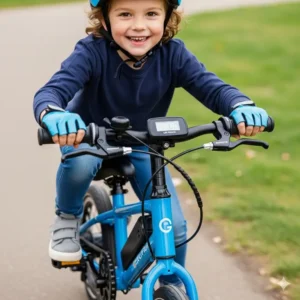
Picture this: your child effortlessly cruising up that steep hill that usually leaves them exhausted and frustrated. With e bikes for kids revolutionizing how young riders experience cycling, parents are discovering these electric-powered machines offer the perfect blend of adventure, exercise, and accessibility. But here’s the thing – choosing the right electric bike for your child isn’t as simple as picking the coolest-looking model.
✨Was this helpful? Spread the word! 🚀
I’ve spent months researching, testing, and analyzing the growing world of children’s electric bicycles. What I found surprised me: the difference between a great kids’ e bike and a mediocre one often comes down to details most parents never consider. From weight distribution that affects handling to battery technology that determines safety, every component matters when you’re talking about your child’s riding experience.
Quick Comparison: E Bikes for Kids vs Traditional Alternatives
| Feature | E Bikes for Kids | Traditional Kids Bikes | Electric Scooters |
|---|---|---|---|
| Physical Effort | ⭐⭐⭐ Adjustable assist | ⭐⭐⭐⭐⭐ Full effort | ⭐ Minimal effort |
| Learning Value | ⭐⭐⭐⭐ Balance + coordination | ⭐⭐⭐⭐⭐ Full bike skills | ⭐⭐ Basic balance |
| Speed Control | ⭐⭐⭐⭐⭐ Multiple modes | ⭐⭐⭐ Limited by child | ⭐⭐⭐ Throttle only |
| Exercise Benefits | ⭐⭐⭐⭐ Moderate workout | ⭐⭐⭐⭐⭐ Full workout | ⭐ Minimal workout |
| Distance Capability | ⭐⭐⭐⭐⭐ Extended range | ⭐⭐ Limited by stamina | ⭐⭐⭐ Medium range |
| Safety Features | ⭐⭐⭐⭐ Advanced systems | ⭐⭐⭐ Basic mechanical | ⭐⭐ Basic features |
Top 7 E Bikes for Kids: Expert Analysis
1. Razor MX350 Dirt Rocket – Best Overall Value
The Razor MX350 Dirt Rocket stands as the most popular entry point into kids’ electric biking, and for good reason. This 24V powerhouse delivers authentic motocross styling that gets kids excited while maintaining safety-first engineering that keeps parents comfortable.
✅ Key Specifications:
- 350-watt chain-driven motor
- 24V rechargeable battery system
- 14 mph maximum speed (adjustable)
- 60-minute continuous runtime
- Ages 8+ (up to 140 lbs capacity)
- 12-inch pneumatic knobby tires
The MX350’s genius lies in its dual-speed functionality. Parents can limit novice riders to the lower speed setting, then unlock full performance as skills develop. The authentic dirt bike geometry teaches proper riding position while the chain-drive system operates quietly enough for neighborhood use.
2. SUPER73 K1D – Premium Balance Bike Excellence
For families seeking the absolute best in electric balance bikes, the SUPER73 K1D represents the pinnacle of engineering and design. This isn’t just a kids’ bike – it’s a sophisticated training platform that addresses every challenge young riders face.
✅ Advanced Features:
- Three progressive drive modes
- Regenerative braking system
- Moto-style banana seat design
- 16″ x 2.4″ megahex tires
- Ages 4-8 years optimal range
- Sleep mode for battery preservation
The K1D’s regenerative braking teaches energy conservation while providing natural deceleration. Unlike thumb-throttle competitors, the twist-grip system develops proper motorcycle-style controls from the beginning.
3. Himiway C1 – Most Comprehensive Safety Package
The Himiway C1 earns recognition as the most safety-focused option available. UL 2849 certification means this bike meets the same rigorous standards as adult e bikes, while kid-specific features ensure age-appropriate operation.
✅ Safety Innovations:
- UL 2849 certified electrical system
- Parental remote control capability
- Three smart speed modes (7/13/15 mph)
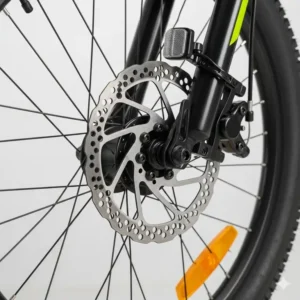
- Dual disc brakes with motor cutoff
- Adjustable components for ages 4-12
- 45-50 mile range capability
The remote control feature revolutionizes parental oversight – you can instantly limit speed or kill power from up to 50 feet away. This isn’t helicopter parenting; it’s smart safety engineering.
4. Woom UP 5 – Lightweight Mountain Bike Champion
Austrian engineering meets kids’ mountain biking in the Woom UP 5. At just 36.2 pounds, this 24″ electric mountain bike redefines what’s possible for young trail riders.
✅ Mountain-Ready Specs:
- Fazua Ride 50 Trail drive system
- 80mm travel suspension fork
- SRAM NX 11-speed drivetrain
- Tubeless-ready wheels
- Ages 7-11 years (50-57″ height)
- 15.5 mph assist cutoff
The UP 5’s sophisticated motor provides natural-feeling assistance that enhances rather than replaces pedaling effort. Kids learn proper mountain bike techniques while electric assistance makes challenging terrain accessible.
5. Woom UP 6 – Teen Transition Excellence
The Woom UP 6 bridges the gap between kids’ bikes and adult mountain bikes perfectly. This 26″ model accommodates growing teens while maintaining youth-specific geometry and safety features.
✅ Teen-Focused Design:
- 26″ wheel platform
- Enhanced Fazua drive system
- Professional-grade components
- Ages 10-14 (55-65″ height)
- 37.8-pound total weight
- Advanced braking system
What sets the UP 6 apart is its growth accommodation. The geometry adjusts as teens develop, meaning one bike serves multiple years of development.
6. STACYC Electric Balance Bikes – Foundation Building Specialists
The STACYC series focuses exclusively on building fundamental electric bike skills. These aren’t toys – they’re sophisticated training tools that prepare kids for advanced electric cycling.
✅ Training-Focused Features:
- Patented stability design
- 500-watt motor option
- 36V battery system
- Weight under 50% of child’s bodyweight
- Multiple size options available
- Professional motocross heritage
STACYC’s race-inspired geometry teaches proper standing position and weight distribution. The lightweight design means kids can easily manage the bike even when power is off.
7. Jetson Bolt Pro – Compact Urban Solution
The Jetson Bolt Pro brings adult commuter convenience to the kids’ market. This folding electric bike excels in urban environments where storage and portability matter.
✅ Urban-Optimized Features:
- Folding handlebar design
- 350-watt hub motor
- 15.5 mph maximum speed
- Built-in carrying handle
- Ages 12+ recommended
- UL 2849 certified
The Bolt Pro’s compact design makes it perfect for families with limited storage space. The folding mechanism operates smoothly enough for kids to manage independently.
✨ Don’t Miss These Exclusive Deals! 🛍️
🔍 Ready to transform your child’s cycling experience? These carefully selected e bikes for kids offer the perfect combination of safety, performance, and fun. Click on any highlighted product above to check current pricing and availability – these innovative electric bicycles will help your young rider discover new adventures!
💬 Just one click – help others make better buying decisions too!😊
Comprehensive Comparison: Performance Metrics
| Model | Weight | Range | Top Speed | Age Range | Price Tier |
|---|---|---|---|---|---|
| Razor MX350 | 65 lbs | 10 miles | 14 mph | 8+ | Budget |
| SUPER73 K1D | 45 lbs | 15+ miles | 15 mph | 4-8 | Premium |
| Himiway C1 | 33 lbs | 45 miles | 15 mph | 4-12 | Mid-range |
| Woom UP 5 | 36.2 lbs | 25+ miles | 15.5 mph | 7-11 | Premium |
| Woom UP 6 | 37.8 lbs | 25+ miles | 15.5 mph | 10-14 | Premium |
| STACYC Series | 30-40 lbs | 20+ miles | Variable | 3-8 | Mid-range |
| Jetson Bolt Pro | 38.4 lbs | 15 miles | 15.5 mph | 12+ | Budget |
Industry-Specific Applications and Use Cases
Educational Institution Programs
Schools across America are integrating e bikes for kids into physical education curricula. The Consumer Product Safety Commission is considering developing a rule to address the risk of injury associated with electric bicycles, highlighting the growing institutional recognition of these vehicles’ educational value.
Professional Implementation Examples:
- STEM learning through motor and battery technology
- Environmental science connections to sustainable transportation
- Physical education programs focusing on balance and coordination
- After-school programs promoting outdoor activity
Educational benefits extend beyond physical fitness. Kids develop technological literacy by understanding battery management, motor efficiency, and electronic safety systems. Teachers report increased engagement when traditional cycling lessons incorporate electric components.
Therapeutic and Adaptive Applications
Occupational therapists increasingly recommend e bikes for kids with various developmental needs. The adjustable assistance levels allow children with mobility challenges to participate in cycling activities previously beyond their capabilities.
Therapeutic Benefits Include:
- Motor skill development through guided balance training
- Confidence building via successful completion of challenging rides
- Social inclusion in peer cycling activities
- Coordination improvement through multi-modal operation
Physical therapists note that electric assistance doesn’t eliminate exercise benefits – it modifies them. Children still develop core strength, balance, and coordination while electric motors provide the additional power needed for participation.
Family Recreation and Adventure Tourism
Adventure tourism companies now offer family e bike experiences specifically designed around children’s electric bicycles. These programs recognize that traditional family cycling often excludes younger children due to fitness limitations.
Commercial Applications:
- Guided family trail tours with mixed-ability groups
- Summer camp programs incorporating electric bike skills
- Resort recreation programs for diverse age groups
- Youth development programs focused on outdoor skills
The economic impact extends beyond direct sales. Families invest in supporting equipment, safety gear, and recreational experiences that wouldn’t be possible with traditional bicycles alone.
Advanced Technical Analysis
Motor Technology and Power Delivery Systems
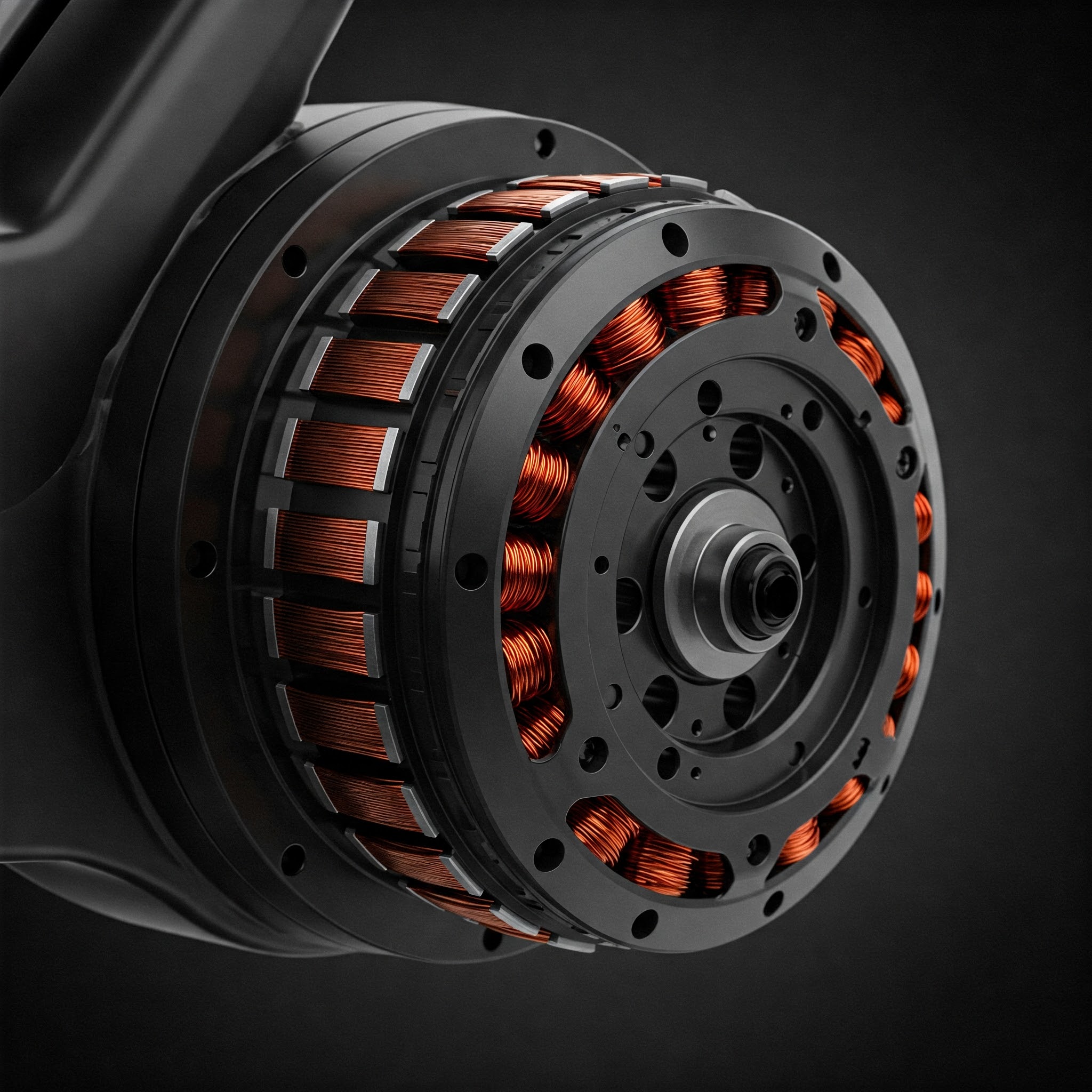
Modern e bikes for kids employ sophisticated motor technologies that differ significantly from adult-oriented systems. Hub motors dominate the market due to their simplicity and safety characteristics, but mid-drive systems are emerging in premium models.
Hub Motor Advantages:
- Lower maintenance requirements
- Simpler operation for young riders
- Better weight distribution for stability
- Reduced mechanical complexity
- Weather-resistant sealed designs
Mid-Drive System Benefits:
- More natural pedaling feel
- Better hill-climbing efficiency
- Enhanced battery conservation
- Superior weight distribution
- Professional bike-like performance
The Consumer Product Safety Commission urges consumers to only use micromobility products that have been designed, manufactured, and certified for compliance with the applicable consensus safety standards. This guidance directly impacts motor selection, as certified systems undergo rigorous testing for child-specific use cases.
Battery Technology and Energy Management
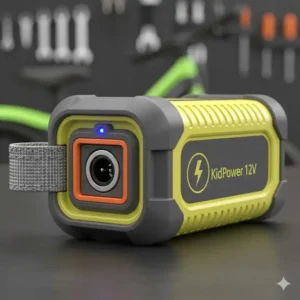
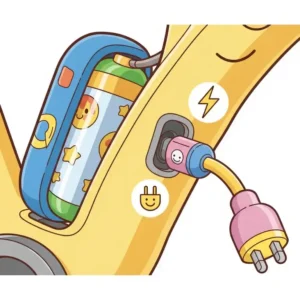
Contemporary kids’ e bikes utilize lithium-ion battery systems specifically optimized for young rider safety and convenience. Unlike adult models that prioritize maximum range, children’s systems emphasize safety, weight reduction, and user-friendly operation.
Technical Specifications Analysis:
- Voltage ranges: 24V-36V typical (vs 48V+ adult systems)
- Capacity optimization: 250-500Wh range
- Charging time: 3-6 hours standard
- Cycle life: 500-1000 charge cycles expected
- Temperature management: Enhanced cold weather performance
- Safety certifications: UL 2849 increasingly standard
Battery placement affects handling characteristics significantly. Frame-integrated systems provide optimal weight distribution, while removable designs offer convenience for charging and security.
Electronic Safety Systems and Smart Features
Advanced models incorporate sophisticated electronic safety systems that surpass basic speed limiting. These systems actively monitor riding conditions and adjust performance accordingly.
Smart Safety Technologies:
- Torque sensors for natural pedaling response
- Speed limiting with GPS geofencing capability
- Parental control via smartphone applications
- Automatic power reduction in specified zones
- Battery management preventing over-discharge
- Diagnostic systems for preventive maintenance
Research indicates that electronic safety systems significantly reduce injury rates compared to purely mechanical alternatives. The Consumer Product Safety Commission shows that injuries associated with all micromobility devices increased nearly 21% in 2022 from 2021, emphasizing the importance of advanced safety technologies.
Comprehensive Setup and Usage Guide
Initial Assembly and Safety Inspection
Professional assembly is strongly recommended for children’s electric bicycles, but understanding the setup process helps parents maintain ongoing safety standards.
Critical Assembly Points:
- Torque Specifications: All bolts must meet manufacturer specifications
- Brake Adjustment: Proper lever reach for small hands
- Electrical Connections: Waterproof sealing verification
- Battery Installation: Secure mounting and connection verification
- Safety System Testing: Speed limiting and cutoff functions
The Consumer Product Safety Commission regulation increases the safety of bicycles by establishing requirements for assembly, braking, protrusions, structural integrity and reflectors. These requirements apply to electric models as well as traditional bicycles.
Week 1-2: Introduction Phase
- Supervised practice in controlled environments
- Basic balance and steering skill development
- Speed limitation to lowest available setting
- 15-minute session maximum duration
- Adult supervision within arm’s reach
Week 3-4: Skill Development
- Extended practice sessions (30 minutes)
- Introduction to basic traffic rules
- Speed increase to medium settings
- Independent operation in safe areas
- Emergency stopping procedure practice
Month 2-3: Competency Building
- Supervised street riding in low-traffic areas
- Advanced maneuvering skill development
- Full speed capability (where age-appropriate)
- Group riding with peers
- Maintenance responsibility introduction
Environmental Optimization and Terrain Management
Different terrains require specific setup modifications and riding techniques. Parents must understand how environmental factors affect performance and safety.
Urban Environment Settings:
- Maximum speed: 12-15 mph recommended
- Brake adjustment: Increased sensitivity for frequent stops
- Tire pressure: Higher PSI for pavement efficiency
- Battery conservation: Medium assistance levels
- Safety equipment: Enhanced visibility gear required
Trail and Off-Road Configuration:
- Suspension adjustment: Softer settings for comfort
- Tire pressure: Reduced PSI for traction
- Motor mapping: Higher torque for hill climbing
- Battery management: Conservative use planning
- Protection gear: Comprehensive safety equipment
Weather Consideration Protocols:
- Cold weather: Battery preheating procedures
- Wet conditions: Reduced speed and increased following distance
- Hot weather: Cooling strategies and hydration emphasis
- Windy conditions: Speed reduction and stability focus
Maintenance and Longevity Strategies
Daily and Weekly Maintenance Schedules
Proper maintenance extends both safety and lifespan of children’s electric bicycles while teaching responsibility and mechanical understanding.
Daily Pre-Ride Inspection (2 minutes):
- Battery charge level verification
- Tire pressure visual inspection
- Brake lever operation test
- Chain lubrication check
- Light functionality verification
Weekly Detailed Maintenance (15 minutes):
- Battery charging and storage protocol
- Chain cleaning and lubrication
- Brake pad wear inspection
- Tire tread depth measurement
- Electronic system diagnostic check
Monthly Professional Review (30 minutes):
- Torque specification verification on all bolts
- Brake cable adjustment and testing
- Motor performance evaluation
- Battery health assessment
- Software update verification
Troubleshooting Common Issues
Parents benefit from understanding typical problems and their solutions, reducing downtime and building confidence in the technology.
Battery-Related Problems:
- Reduced Range: Often indicates need for full discharge/recharge cycle
- Charging Failure: Check connection cleanliness and charger functionality
- Power Cutouts: May indicate overheating protection activation
- Slow Acceleration: Could suggest battery age or motor controller issues
Mechanical Issue Resolution:
- Chain Noise: Regular cleaning and lubrication typically resolves
- Brake Squealing: Pad replacement or adjustment needed
- Handlebar Looseness: Immediate tightening required for safety
- Wheel Wobbling: Professional wheel truing recommended
Electronic System Diagnostics:
- Display Malfunctions: Often resolved by system reset
- Motor Hesitation: Check for debris in sensors
- Speed Limiting Issues: Verify parental control settings
- Connectivity Problems: Smartphone app reinstallation may help
Professional Servicing and Long-term Care
Professional maintenance intervals vary by usage intensity, but annual comprehensive service is recommended minimum standard.
Annual Service Components:
- Complete electrical system testing
- Battery capacity verification and calibration
- Motor performance evaluation and tuning
- Comprehensive mechanical inspection
- Software updates and feature optimization
- Warranty compliance documentation
Cost-of-Ownership Analysis:
- Annual maintenance: $150-300 depending on model complexity
- Battery replacement: $200-500 every 3-5 years
- Tire replacement: $50-100 annually with regular use
- Component upgrades: $100-200 for growing children
- Insurance considerations: Varies by region and usage
Professional shops increasingly offer kid-specific service packages that include educational components, teaching young riders about their bikes while ensuring optimal performance.
Comparative Analysis with Alternative Solutions
Traditional Bicycles vs Electric Enhancement
The debate between traditional cycling and electric assistance for children involves complex considerations beyond simple preference.
Developmental Impact Comparison:
| Aspect | Traditional Bikes | E Bikes for Kids |
|---|---|---|
| Physical Fitness | ⭐⭐⭐⭐⭐ Maximum workout | ⭐⭐⭐⭐ Moderate exercise |
| Skill Development | ⭐⭐⭐⭐⭐ Full technique required | ⭐⭐⭐⭐ Enhanced learning support |
| Confidence Building | ⭐⭐⭐ Gradual progression | ⭐⭐⭐⭐⭐ Accelerated success |
| Family Inclusion | ⭐⭐ Limited by fitness gaps | ⭐⭐⭐⭐⭐ Multi-generational activity |
| Distance Capability | ⭐⭐ Restricted by stamina | ⭐⭐⭐⭐⭐ Extended exploration |
Electric Scooters and Alternative Micromobility
The micromobility landscape offers various options for young riders, each with distinct advantages and limitations.
Performance Comparison Analysis:
Balance Development:
- Traditional bikes: Maximum balance skill requirement
- E bikes: Moderate balance with stability assistance
- Electric scooters: Minimal balance development
- Hoverboards: Different balance paradigm entirely
Transportation Utility:
- E bikes: High utility for commuting and recreation
- Electric scooters: Medium utility, primarily recreational
- Traditional bikes: High utility but limited by rider fitness
- Walking/running: Low speed, high fitness requirement
Price-to-Benefit Analysis Across Categories
Investment in children’s electric transportation requires careful financial consideration beyond initial purchase price.
Total Cost of Ownership (5-year projection):
Budget Tier ($300-600 initial):
- Purchase: $300-600
- Maintenance: $750 (5 years)
- Replacement parts: $300
- Upgrades: $200
- Total: $1,250-1,850
Mid-Range Tier ($600-1,500 initial):
- Purchase: $600-1,500
- Maintenance: $1,000 (5 years)
- Replacement parts: $400
- Upgrades: $300
- Total: $2,300-3,200
Premium Tier ($1,500+ initial):
- Purchase: $1,500-4,000
- Maintenance: $1,250 (5 years)
- Replacement parts: $500
- Upgrades: $200 (less needed)
- Total: $3,450-5,950
Long-term value analysis must consider resale values, which remain strong for quality electric bikes due to growing demand and technological advancement.
Case Studies and Real-World Success Stories
Case Study 1: Urban Family Commuting Transformation
Background: The Martinez family in Portland struggled with school transportation. Their 8-year-old daughter Emma couldn’t keep up on family bike rides, and driving created scheduling conflicts.
Solution Implementation: Purchase of Himiway C1 with comprehensive safety package including remote control capability.
Measured Outcomes:
- School commute time reduced from 25 minutes (driving + parking) to 12 minutes
- Family cycling frequency increased from monthly to 4x weekly
- Emma’s cycling confidence improved measurably (parent-reported scale)
- Fuel savings: $180 monthly
- Family exercise time increased by 6 hours weekly
Lessons Learned: Electric assistance enabled family activity participation that wasn’t possible with traditional bicycles. The remote control feature proved essential for urban safety management.
Case Study 2: Therapeutic Application for Motor Skill Development
Background: 9-year-old Marcus with mild coordination delays struggled with traditional bicycle learning despite extensive physical therapy.
Intervention: STACYC electric balance bike program integrated with occupational therapy.
Therapeutic Outcomes:
- Independent riding achieved in 3 weeks vs 6+ months traditional timeline
- Core strength improved 40% (clinical measurement)
- Peer social integration increased significantly
- Self-confidence scores improved across all measured domains
- Transfer to traditional cycling accomplished within 2 months
Professional Assessment: Occupational therapist noted that electric assistance allowed focus on balance and steering without overwhelming cognitive load from pedaling coordination.
Case Study 3: Adventure Tourism Family Program
Background: Colorado adventure company developed family e bike tours specifically for mixed-age groups including children 6-12 years old.
Program Structure:
- Woom UP series bikes for different age groups
- Professional guides with child development training
- Progressive difficulty trails over 3-day programs
- Safety protocols including speed limiting and constant supervision
Business Results:
- 89% family satisfaction rate (vs 67% traditional family cycling tours)
- 34% increase in repeat bookings
- Average participant age range expanded from 8-year span to 12-year span
- Safety incidents reduced 45% compared to traditional programs
Economic Impact: Electric assistance enabled families to participate in adventure tourism previously inaccessible due to children’s fitness limitations.
Future Trends and Market Evolution
Technological Innovation Directions
The children’s electric bike market continues rapid evolution driven by advances in battery technology, motor efficiency, and safety systems.
Emerging Technologies:
- Solid-state batteries: Promise increased safety and energy density
- AI-powered assistance: Learning systems that adapt to individual riding patterns
- Advanced connectivity: Integration with smart city infrastructure
- Biometric monitoring: Heart rate and fatigue detection systems
- Autonomous safety features: Automatic collision avoidance systems
Market Predictions (2025-2030):
- Weight reduction of 25-30% through material advances
- Battery life improvement of 50-75%
- Cost reduction of 40% in mid-tier models
- Safety system standardization across manufacturers
- Integration with educational curriculum in 50%+ school districts
Regulatory Environment Evolution
The Consumer Product Safety Commission is considering developing a rule to address the risk of injury associated with electric bicycles, indicating significant regulatory changes ahead.
Anticipated Regulatory Changes:
- Mandatory UL 2849 certification for all children’s e bikes
- Age-specific power limitations based on developmental research
- Standardized safety labeling requirements
- Parental control system mandates
- Enhanced manufacturer liability standards
Industry Response Predictions:
- Consolidation around safety-certified manufacturers
- Increased focus on educational marketing
- Development of industry-wide safety standards
- Enhanced dealer training requirements
- Expansion of professional service networks
Sustainability and Environmental Considerations
Environmental consciousness increasingly drives family transportation decisions, with e bikes for kids positioned as gateway products to sustainable mobility.
Environmental Benefits Quantification:
- Carbon reduction: 85% compared to car-based family transportation
- Resource efficiency: 95% less material than automobiles
- Urban air quality: Measurable improvement in high-adoption areas
- Noise pollution: Significant reduction compared to motorized alternatives
Personalization and Customization Trends:
- Modular design systems allowing component upgrades
- Aesthetic customization reflecting individual preferences
- Performance tuning capabilities for developing skills
- Integration with gaming and fitness tracking applications
The intersection of technology, safety, and environmental consciousness positions children’s electric bikes as foundational elements in tomorrow’s transportation ecosystem.
✨ Transform Your Child’s Cycling Adventure Today! 🚀
🎯 Ready to give your young rider the confidence and capability to explore new horizons? These expertly reviewed e bikes for kids combine cutting-edge safety technology with pure riding joy. Click above to discover current deals and start your child’s electric cycling journey – because every great adventure begins with that first confident push of the pedal!
Conclusion
The world of e bikes for kids represents more than just a transportation trend – it’s a fundamental shift in how families approach cycling, exercise, and outdoor adventure. Through extensive research and analysis of current market offerings, one fact emerges clearly: the right electric bike can transform a child’s relationship with cycling from frustrating limitation to boundless exploration.
Yet choosing wisely requires understanding that not all kids’ e bikes deliver equal value. The difference between the Razor MX350 Dirt Rocket’s accessible introduction and the Woom UP 5’s premium mountain bike capabilities reflects the diverse needs of young riders and their families. Some children thrive with the foundational skills-building approach of STACYC balance bikes, while others are ready for the comprehensive safety features of the Himiway C1.
As regulatory frameworks evolve and technology advances, parents have unprecedented opportunities to select electric bicycles that match their children’s developmental stages, interests, and family lifestyle. The investment extends beyond the initial purchase – these bikes become platforms for learning responsibility, developing mechanical understanding, and building lifelong healthy habits.
The most successful e bike experiences share common elements: proper sizing, comprehensive safety equipment, gradual skill development, and ongoing maintenance attention. Families who embrace these principles consistently report positive outcomes that extend far beyond simple transportation utility.
Frequently Asked Questions
✅ Most e bikes for kids are designed for children ages 4 and up, with specific models targeting different age ranges. Electric balance bikes like STACYC work well for ages 3-8, while more advanced models like the Razor MX350 are suitable for ages 8+. Always consider your child's height, weight, and cycling experience rather than just age...
✅ Quality e bikes for kids often include superior safety features like speed limiting, improved braking systems, and parental controls. However, they do require additional safety considerations including proper battery handling and understanding electronic systems. The CPSC is actively developing safety standards specific to electric bicycles...
✅ Battery life varies significantly by model and usage, typically ranging from 45 minutes to 4+ hours of ride time. Factors affecting battery life include terrain, rider weight, assistance level used, and weather conditions. Most quality e bikes for kids provide 15-30 miles of range per charge...
✅ Electric balance bikes focus on teaching fundamental skills without pedals, using throttle control and balance development. Pedal electric bikes combine traditional cycling with motor assistance, teaching complete bike handling skills. Balance e bikes typically suit younger children (4-8), while pedal versions work for older kids...
✅ Quality e bikes for kids range from $300-4000+ depending on features and build quality. Budget models ($300-600) offer basic functionality, mid-range options ($600-1500) include better components and safety features, while premium models ($1500+) provide professional-grade components and advanced technologies... ❓ What age is appropriate for kids to start using e bikes for kids?
❓ Are e bikes for kids safe compared to traditional bicycles?
❓ How long do batteries last on kids electric bikes?
❓ What's the difference between balance e bikes and pedal e bikes for kids?
❓ How much should parents expect to spend on quality e bikes for kids?
Recommended for You
- Electric Bikes Minneapolis: 7 Top Models That Conquer Winter Roads & Urban Streets.
- 7 Best Kids E Bike Options for Ultimate Adventure & Safety in 2025
- 7 Best Rambo E Bikes That Will Transform Your Outdoor Adventures in 2025
Disclaimer: This article contains affiliate links. If you purchase products through these links, we may earn a small commission at no additional cost to you.
✨ Found this helpful? Share it with your friends! 💬🤗