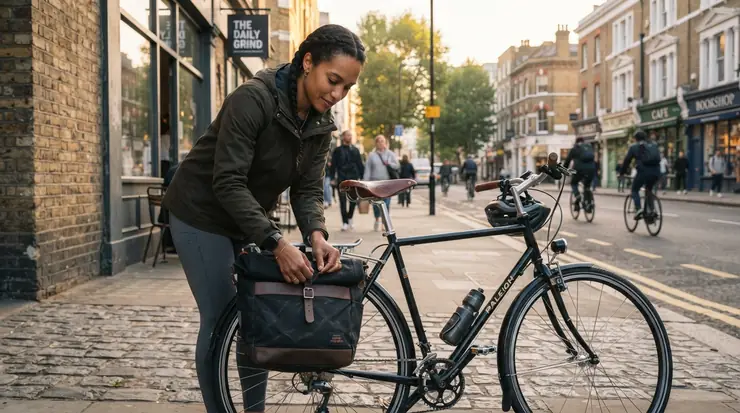
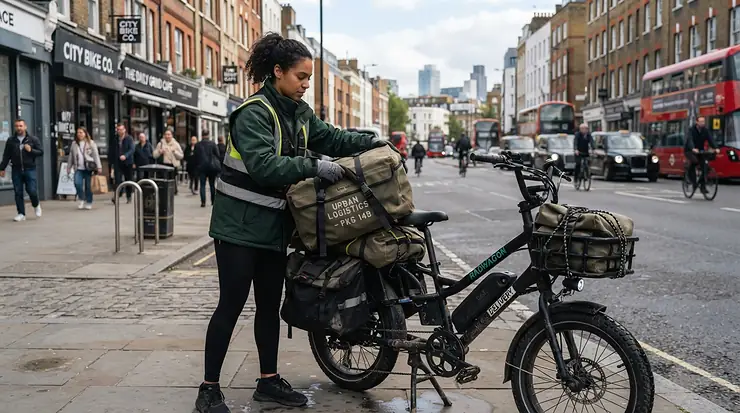
Picture this: you’re cruising down the bike path on your electric ride, wind in your hair, and suddenly you realize—where exactly are you supposed to put your laptop, lunch, and that random stuff you picked up at the hardware store? The struggle is real when you’re trying to balance groceries on your handlebars while your ebike battery is doing all the heavy lifting for your legs.
Was this helpful? Spread the word!
Here’s the thing about finding the perfect side bag for ebike adventures—it’s not just about slapping any old bag onto your ride and calling it a day. You need something that can keep up with your electric-powered lifestyle, whether you’re commuting to work, hitting the trails, or making that grocery run you’ve been putting off all week.
Quick Comparison: Side Bag vs Alternative Storage
Storage Type
Capacity
Stability
Weather Protection
Off-Bike Use
Best For
Side Bags (Panniers)
15-50L
⭐⭐⭐⭐⭐
⭐⭐⭐⭐⭐
⭐⭐⭐⭐
Commuting, touring
Backpacks
20-35L
⭐⭐⭐
⭐⭐⭐
⭐⭐⭐⭐⭐
Short trips
Handlebar Bags
3-8L
⭐⭐⭐
⭐⭐⭐
⭐⭐⭐
Quick access items
Frame Bags
4-10L
⭐⭐⭐⭐⭐
⭐⭐⭐⭐
⭐⭐
Tools, phone
Rear Baskets
15-25L
⭐⭐⭐⭐
⭐⭐
⭐
Groceries, casual use
The truth is, ebike saddle bags and electric bike bags have evolved tremendously over the past few years. We’re not talking about those flimsy things your dad used on his ten-speed back in the ’80s. Modern e bike saddle bags are engineered with the same attention to detail as your ebike itself—waterproof materials, reinforced mounting systems, and designs that actually understand what it means to carry a laptop, a change of clothes, and maybe a six-pack without everything sliding around like you’re in a blender.
According to the League of American Bicyclists, proper cargo management is essential for safe cycling, and choosing quality saddle bags for electric bike riders can significantly improve your riding experience. When you’re dealing with the extra weight and speed of an electric bike, having secure, balanced storage isn’t just convenient—it’s crucial for maintaining control and stability.
Top 7 Side Bag for Ebike: Expert Analysis
After researching dozens of options through specs, listings and owner reviews, we’ve narrowed down the best choices for electric bike riders. These aren’t just random picks—each one suits specific scenarios, and the notes below show which one matches your riding style.
Capacity: 30L | Material: 600D Oxford + EVA Hard Shell | Waterproof: Yes (with rain cover)
The CHIMONA Ebike Battery Bag shows what a trunk bag can do. This isn’t your typical throw-everything-in-and-hope-for-the-best situation. CHIMONA specifically designed this beauty with electric bike riders in mind, featuring a dedicated battery compartment that makes swapping or charging your ebike battery ridiculously easy.
Key Features:
Battery-specific access panel
30L expandable capacity
Hard shell protection
Reflective safety strips
Foldable side compartments
Built-in battery protection separator
What Makes It Special: The genius here is in the details. That battery compartment? It’s not just a pocket—it’s a thoughtfully designed access point with a protection separator that prevents damage. The convenience of not having to remove the entire bag just to charge the battery is a real advantage for daily commuters.
Customer Insights: Real users consistently praise its durability and the expandable design. One verified purchaser mentioned fitting a week’s worth of groceries plus their work gear without any stability issues. The hard side panels maintain shape even when partially loaded, which means your stuff isn’t becoming a shapeless blob halfway through your ride.
Pros:
Perfect for riders who frequently need battery access
Massive 30L capacity handles serious cargo
Hard shell protects electronics and fragile items
Reflective elements enhance night riding safety
Cons:
Heavier than soft-shell alternatives
Side bags not fully waterproof when expanded (rain cover needed)
Higher price point than basic options
Best For: Daily commuters with long distances, cargo haulers, riders who swap batteries frequently
CHIMONA Ebike Battery BagSee current price, sizes and reviews on Amazon.
The ROCKBROS Hard Shell Bike Rack Bag offers a solid feature set at a price that won’t make you wince. It suits riders who are new to ebike commuting—it covers the basics without overwhelming you with features you’ll never use.
Key Features:
Tool-free installation with adjustable velcro straps
9L main compartment plus mesh pockets
Hard shell construction
Water-resistant materials with double zipper
Reflective safety design on four sides
Compatible with 24-29 inch wheels and 700C bikes
Design Notes: The hard shell is meant to protect laptops, phones, and other electronics better than softer bags, and the listing describes tool-free installation with adjustable straps.
Dimensions & Fit: At 13.2 x 7.9 x 8.65 inches, it’s compact enough to not interfere with pedaling but spacious enough for daily essentials. Fits most standard bike racks, including those wider racks found on many electric bikes.
Pros:
Exceptional value for the price
Quick installation system
Genuinely waterproof with double zippers
Lightweight yet protective
Cons:
Smaller capacity than panniers
Limited organizational pockets
Rain cover adds bulk when stored
Best For: Budget-conscious riders, beginners, solo commuters with moderate cargo needs
ROCKBROS Hard Shell Bike Rack BagSee current price, sizes and reviews on Amazon.
Capacity: 34L total (17L per side) | Material: 600D Oxford with PVC coating | Waterproof: Yes (with rain cover)
When you absolutely, positively need to haul everything including the kitchen sink, the KEMIMOTO Bike Bag Panniers are your answer. They suit weekend camping trips and major grocery runs.
Key Features:
Dual-bag setup with 34L total capacity
Six mounting straps plus side hooks
Reflective trim and logo
Obtuse angle design prevents heel interference
Multiple external pockets
Convertible to shoulder bags
Storage Breakdown: Each side gets 17L, which is genuinely massive. That is room for multiple bags of groceries plus a work bag. The dual compartment design helps distribute weight evenly, which is crucial when you’re loaded up.
Engineering Details: The obtuse angle design deserves special mention—the design is meant to keep heels from clipping the bags. The mounting system uses six straps and two extra hooks for a secure connection.
User Experience: According to customer reviews averaging 4.5+ stars, riders appreciate how these bags transform their ebikes into legitimate cargo vehicles. One user reported using them for a 50-mile tour with camping gear, experiencing zero shifting or instability.
Pros:
Enormous capacity for serious hauling
Superior mounting security
Great for touring and long-distance rides
Converts to off-bike carry
Cons:
Heavier weight when fully loaded
Takes up significant rack space
Requires rack width verification before purchase
Best For: Touring cyclists, grocery haulers, weekend warriors, cargo-heavy commuters
KEMIMOTO Bike Bag PanniersSee current price, sizes and reviews on Amazon.
Capacity: 9.5L/17L/40L options | Material: Hard Shell with reflective elements | Waterproof: Yes (with rain cover)
JXFUKAL Multi-Size Hard Shell Bag is like having three bags in one purchase decision. Available in 9.5L, 17L, and 40L capacities, this system lets you choose exactly how much storage you need without paying for features you won’t use.
Key Features:
Three capacity options
Hard shell EVA construction
Four-sided reflective design
Tool-free mounting system
Multiple internal mesh pockets
Adjustable shoulder strap included
Size Selection Guide:
9.5L: Perfect for daily commuters (laptop, lunch, essentials)
17L: Ideal for extended day trips or shopping
40L: Serious touring and multi-day adventures
Build Quality: The hard shell construction uses EVA material that’s both rigid enough to protect contents and flexible enough to not crack under stress. The design aims to keep contents safe from bumps and drops.
Mounting System: Two buckle straps plus a velcro strap create surprising stability. Installation takes under 60 seconds, and the bag fits most standard racks from mountain bikes to road bikes to ebikes.
Pros:
Size options match different needs
Excellent protection for electronics
Easy installation and removal
Great reflective visibility
Cons:
Multiple size choices can complicate purchasing
40L version may be overkill for casual riders
Hard shell adds slight weight
Best For: Riders who want flexibility, families sharing one ebike, seasonal variation in cargo needs
JXFUKAL Multi-Size Hard Shell BagSee current price, sizes and reviews on Amazon.
Capacity: 34L total (17L per side) | Material: Water-resistant fabric | Waterproof: Water-resistant (not fully waterproof)
The ANCHOM Bike Panniers prove you don’t need to spend a fortune to get quality pannier performance. These deliver about 80% of what premium options offer at roughly 50% of the cost—and for many riders, that’s the perfect sweet spot.
Key Features:
34L total capacity
Double-fastener system with six straps
Two main compartments plus external pockets
Reflective trim for safety
Obtuse angle pedaling clearance
Compatible with most bike racks
Value Proposition: Here’s what you’re getting: spacious storage, secure mounting, and decent weather resistance. What you’re NOT getting: premium materials, lifetime warranties, or boutique brand cachet. And honestly? For occasional use or riders on a budget, that trade-off makes total sense.
Performance Reality: In light rain, these perform admirably. In a downpour? You’ll want additional protection. The mounting system, while not as bombproof as KEMIMOTO’s, holds firm for normal riding conditions. They suit grocery runs and short tours.
Customer Feedback: Reviews consistently mention good value, easy installation, and adequate capacity. The most common complaint? They’re water-resistant, not waterproof—plan accordingly.
Pros:
Excellent price-to-capacity ratio
Easy installation
Good for casual and moderate use
Adequate reflective elements
Cons:
Not fully waterproof
Less durable than premium options
Limited color choices
Best For: Budget-conscious buyers, casual riders, occasional cargo haulers
ANCHOM Bike PanniersSee current price, sizes and reviews on Amazon.
The MOSISO Bike Rack Bag understands what daily commuters actually need: quick access, organizational pockets, and weatherproof reliability. This isn’t trying to be everything to everyone—it’s laser-focused on making your daily ride to work smooth and organized.
Key Features:
12-14L optimized capacity
Six external pockets for organization
Top elastic band for extra items
EVA reinforcement for laptop protection
Hook-and-loop mounting straps
Converts to shoulder bag
Organization Excellence: This is where MOSISO shines. Six side pockets mean your phone, wallet, keys, snacks, and tools all have designated spots. No more digging through a black hole trying to find your work badge while balanced on your bike at a stoplight.
Commuter-Specific Design: At 15.1 x 6.39 x 6.39 inches, it’s sized for work essentials without being bulky. The EVA padding protects laptops up to 15 inches.
Versatility: The shoulder strap system is better than most—actually comfortable for carrying the bag around after you arrive. Many cheaper bags have straps that feel like punishment, but MOSISO got this right.
Pros:
Superior organization for daily items
Laptop-friendly protection
True waterproof performance
Comfortable off-bike carrying
Cons:
Smaller capacity limits touring use
External pockets can be overstuffed
Single-bag design (no pannier option)
Best For: Office commuters, students, riders prioritizing organization, laptop carriers
MOSISO Bike Rack BagSee current price, sizes and reviews on Amazon.
Capacity: 36L total (18L per side) | Material: 900D Oxford cloth | Waterproof: Yes (roll-top design)
For long-distance ebike tourists, the Sunpeak Electric Bike Saddle Bag represents the gold standard. This is what serious riders choose when they’re planning multi-day adventures and need storage that absolutely will not fail.
Key Features:
36L total capacity
Roll-top waterproof closure
900D Oxford cloth construction
Quick-release buckle system
Reflective trim with taillight mounting
Velcro and hook mounting
Touring-Grade Construction: That 900D Oxford cloth isn’t marketing fluff—it’s genuinely tough material that resists tears, abrasion, and weather. The roll-top closure creates a waterproof seal intended for heavy rain. Internal organization includes multiple compartments keeping clean clothes separate from dirty, food separate from electronics.
Capacity & Weight Distribution: With 18L per side, you can pack for extended trips while maintaining balanced weight distribution. The mounting system uses two quick-release buckles, two velcro straps, and side hooks—serious overkill for stability, which is exactly what you want when carrying expensive gear on rough terrain.
Long-Distance Performance: Users report taking these bags on cross-country tours, bikepacking adventures, and international trips. The durability holds up to constant use, and the waterproofing remains effective even after years of service.
Don’t let another commute go by struggling with inadequate storage! Each of these carefully selected bags offers unique advantages for different riding styles. Click on any model above to check current availability and pricing—your perfect ebike companion is just one click away!
Just one click – help others make better buying decisions too!
Understanding Ebike Storage Solutions: What Makes Them Different?
Okay, let’s get real for a second. You might be thinking, “Why can’t I just use any old bike bag on my ebike?” Technically, you can. But should you? That’s where things get interesting.
The Electric Bike Factor
Electric bikes are different beasts compared to traditional bicycles, and your storage needs to account for that. According to PeopleForBikes, ebikes can weigh anywhere from 40-70 pounds compared to 20-30 pounds for regular bikes. Add cargo, and you’re looking at significant weight that standard bike bags weren’t engineered to handle.
Here’s what changes with ebikes:
Weight Considerations: When your bike already weighs more, adding poorly secured cargo creates handling nightmares. Ebike saddle bags need reinforced mounting systems that can handle the vibrations and momentum of a heavier, faster vehicle. That cheap bag from a big-box store? It might literally fall apart mid-ride.
Speed & Stability: Ebikes routinely cruise at 20-28 mph, which is significantly faster than most people pedal. At these speeds, aerodynamics matter more, and loose or improperly mounted bags create dangerous instability. Electric bike bags designed for ebikes feature lower profiles and more secure attachment systems.
Battery Integration: Many modern ebike saddle bags include specific compartments or access points for ebike batteries. If you’re planning to carry a spare battery (highly recommended for long rides), you need storage that can accommodate both the weight and the need for easy access.
Comparison: Traditional Bike Bags vs Ebike-Specific Storage
Feature
Traditional Bike Bags
Ebike-Specific Bags
Mounting System
Basic straps
Reinforced multi-point
Weight Capacity
10-15 lbs
15-30 lbs
Waterproofing
Variable
Heavy-duty
Battery Access
None
Dedicated compartments
Reflective Elements
Optional
Standard
Price Range
$20-$100
$40-$150
Material Matters: Waterproofing and Durability
Not all “waterproof” bags are created equal. There’s water-resistant, water-repellent, and truly waterproof—and the differences matter tremendously when you’re caught in a surprise rainstorm three miles from home.
Understanding Waterproof Ratings
Water-Resistant: Handles light rain and splashes. Materials like 600D Oxford with basic coating. Good for fair-weather riding but will eventually soak through in steady rain.
Water-Repellent: Treated fabrics that cause water to bead up and roll off. Better than resistant but not foolproof. Usually includes a rain cover for heavy weather.
Waterproof: Sealed seams, waterproof zippers, and materials like 900D Oxford or welded construction. These bags protect contents in downpours. The bags featured here with roll-top closures or completely sealed compartments fall into this category.
Material Comparison Table
Material
Durability
Weight
Waterproofing
Best Use
Typical Products
600D Oxford
⭐⭐⭐⭐
Medium
Water-resistant
Daily commuting
CHIMONA, KEMIMOTO
900D Oxford
⭐⭐⭐⭐⭐
Heavy
Waterproof
Touring
Sunpeak, Ortlieb
EVA Hard Shell
⭐⭐⭐⭐⭐
Heavy
Excellent
Electronics
JXFUKAL, ROCKBROS
PVC Coated
⭐⭐⭐⭐
Light
Good
All-around
MOSISO
Nylon/Polyester
⭐⭐⭐
Light
Fair
Casual use
Budget options
Material Durability
Materials matter in rough conditions. The 900D Oxford on touring bags like the Sunpeak is a heavy-duty fabric intended to resist abrasion, sun exposure, and heavy loads. EVA hard shells are designed to protect electronics from bumps and vibration.
According to the Consumer Product Safety Commission, proper cargo management is essential for cycling safety, and choosing durable, properly rated materials contributes significantly to safe riding practices.
Installation and Compatibility: Making Sure It Fits
Here’s a common frustration: someone buys an awesome side bag for ebike use, gets home all excited, and… it doesn’t fit their rack. Check fit first to avoid that disappointment.
Measuring Your Ebike Rack
Before you buy anything, grab a tape measure and check these dimensions:
Rack Tube Diameter: Most bike racks use tubes ranging from 8-12mm in diameter. Ebike racks often run larger—10-15mm—to handle the extra weight. Check your specific rack because mounting systems are designed for specific ranges.
Rack Width: Measure the width at the mounting points. Standard racks are around 4-6 inches wide, but many ebike racks push 6-8 inches. Pannier-style bags need to accommodate this width or they’ll interfere with pedaling.
Available Mounting Points: Count your rack’s mounting points. Most bags need at least two secure attachment points on the rack top, plus ideally some side mounting points for stability.
Installation Systems Compared
System Type
Installation Time
Security Level
Adjustability
Best For
Examples
Velcro Straps
30-60 seconds
⭐⭐⭐
High
Quick removal
ROCKBROS
Hook & Buckle
1-2 minutes
⭐⭐⭐⭐⭐
Medium
Secure touring
KEMIMOTO, Sunpeak
Quick-Release
10-15 seconds
⭐⭐⭐⭐
Low
Daily commute
MOSISO
Cam-Lock
2-3 minutes
⭐⭐⭐⭐⭐
High
Professional use
Ortlieb, Arkel
Common Compatibility Issues & Solutions
Problem: Bag clips pedal stroke Solution: Look for bags with obtuse angle designs (like KEMIMOTO) or smaller profiles
Problem: Mounting straps too short Solution: Many manufacturers offer extension straps, or you can use universal velcro extenders
Problem: Bag wobbles or shifts Solution: Add side hooks or use bags with multi-point mounting systems
Capacity Planning: How Much Storage Do You Actually Need?
This is where people either overbuy (spending money on capacity they’ll never use) or underbuy (constantly struggling to fit everything in). Here is a breakdown of realistic capacity needs.
Daily Commute Calculations
Typical Office Commuter (8-12L needed):
Laptop (15 inches): ~3L
Lunch container: ~1.5L
Change of clothes: ~2L
Toiletries bag: ~1L
Miscellaneous (phone charger, wallet, keys): ~1L
Rain jacket (just in case): ~1.5L
Total: ~10L with room to spare
Recommended bags: MOSISO (12-14L), ROCKBROS (9L with expansion)
Grocery Shopping Capacity
Moderate Shopping Trip (15-25L needed):
Two grocery bags worth of items
Possibly some bulkier items (paper towels, cereal boxes)
Let’s talk about what keeps your expensive stuff attached to your expensive ebike, because nothing ruins a ride faster than watching your bag slide off and get munched by a passing car.
Professional-Grade Mounting Systems
Hook-and-Loop (Velcro) Systems: The most common and quickest to install. Quality varies dramatically—cheap velcro fails fast, while industrial-grade velcro from brands like ROCKBROS lasts years. Benefits include easy adjustment and quick removal. Drawbacks? Velcro weakens over time and collects debris.
Buckle and Strap Systems: Used by KEMIMOTO and JXFUKAL, these provide serious hold. Multiple straps distribute pressure evenly and prevent the “leverage effect” where a single attachment point allows the bag to pivot. Installation takes longer but provides superior security.
Quick-Release Systems: MOSISO and similar commuter-focused bags use quick-release mechanisms. Perfect if you’re removing your bag multiple times daily. Security is good but not ideal for rough terrain or heavy loads.
Cam-Lock Systems (Premium): Found on high-end brands like Ortlieb and Arkel, these use locking mechanisms that slide onto rack rails. Most secure option available, though more expensive and sometimes requires specific rack types.
Security Against Theft
According to National Bike Registry, bike accessory theft is a real concern in urban areas. Here’s how to protect your investment:
Use weathered, less “flashy” bags in high-theft areas
Consider bags with inconspicuous designs
Mounting Security Comparison
Mounting Type
Theft Resistance
Vibration Stability
Installation Speed
Longevity
Basic Velcro
Low
Medium
⭐⭐⭐⭐⭐
⭐⭐
Multi-Strap
Medium
High
⭐⭐⭐
⭐⭐⭐⭐
Quick-Release
Low-Medium
Medium-High
⭐⭐⭐⭐⭐
⭐⭐⭐⭐
Cam-Lock
High
Very High
⭐⭐
⭐⭐⭐⭐⭐
Maintenance and Care: Making Your Investment Last
A quality side bag for ebike can cost around $100, so don’t treat it like garbage. A little maintenance goes a long way.
Cleaning and Waterproofing Maintenance
Regular Cleaning (Monthly):
Empty all compartments completely
Use mild soap and warm water
Soft brush for stubborn dirt
Air dry completely—never machine dry
Check all straps and buckles for wear
Waterproofing Treatment (Every 6-12 months): Even “waterproof” bags benefit from retreatment. Use products like Nikwax or Scotchgard specifically designed for technical fabrics. Pay special attention to seams and high-stress areas where waterproofing breaks down first.
Storage When Not in Use:
Store in cool, dry place
Avoid direct sunlight (UV degrades materials)
Keep buckles fastened to maintain shape
Stuff with newspaper or bubble wrap to prevent creasing
Common Issues and Fixes
Problem: Velcro Losing Grip
Remove debris with fine-toothed comb
Replace velcro strips if permanently degraded
Cost: $5-10 for replacement strips
Problem: Zipper Sticking
Clean zipper track with old toothbrush
Apply zipper lubricant or graphite powder
Replace zipper if teeth damaged (professional repair: $15-30)
Let’s have an honest conversation about money. Bags range from about $25 to $250, and price doesn’t always equal quality, but there’s definitely a correlation between what you pay and what you get.
Budget Tier ($30-$60)
What You’re Getting: Basic functionality, adequate materials, simple mounting systems. Perfect for casual riders or those testing whether they’ll actually use panniers before committing serious money.
Representative Products:
ANCHOM Panniers ($45-55)
Basic JXFUKAL models ($35-50)
Generic Amazon brands
Realistic Expectations: These will work fine for occasional use, light loads, and fair weather. Don’t expect them to survive years of daily abuse or protect your laptop in a downpour. The mounting systems work but may require periodic adjustment.
Mid-Range ($60-$120)
What You’re Getting: Quality materials, reliable waterproofing, thoughtful design features. This is the sweet spot for most riders—enough quality to last years without breaking the bank.
Representative Products:
KEMIMOTO Panniers ($75-95)
ROCKBROS Hard Shell ($70-90)
MOSISO Rack Bags ($65-85)
CHIMONA Battery Bag ($80-100)
Realistic Expectations: Daily commute reliability, good weather protection, years of service with proper care. These bags balance cost and performance beautifully for serious recreational riders and commuters.
Premium Tier ($120-$250+)
What You’re Getting: Top-shelf materials, lifetime warranties, engineering that considers every detail. For professional cyclists, serious tourists, or those who simply demand the best.
Representative Products:
Ortlieb Back-Roller series ($180-220)
Arkel panniers ($150-280)
Premium Sunpeak models ($130-170)
Realistic Expectations: Bombproof construction, exceptional waterproofing, decade-plus lifespan. These are buy-it-for-life options that justify their cost through longevity and performance.
Cost Analysis: 5-Year Ownership
Price Tier
Initial Cost
Expected Replacements
Total 5-Year Cost
Cost Per Year
Budget ($40)
$40
3 replacements ($120)
$160
$32
Mid-Range ($85)
$85
1 replacement ($85)
$170
$34
Premium ($180)
$180
0 replacements
$180
$36
Notice something interesting? Over five years, the actual cost difference between budget and premium options is minimal. The premium bags often win through durability alone, plus you avoid the hassle of repeated replacements.
Value Recommendation Matrix
Rider Type
Frequency
Recommended Tier
Best Options
Casual (1-2x/week)
Low
Budget-Mid
ANCHOM, basic ROCKBROS
Commuter (5x/week)
High
Mid-Premium
KEMIMOTO, MOSISO, CHIMONA
Tourist (Multi-day trips)
Variable
Premium
Sunpeak, Ortlieb, Arkel
Cargo (Heavy loads)
High
Mid-Premium
KEMIMOTO, CHIMONA
Weather Protection: Beyond “Waterproof”
“Waterproof” is not a simple yes-or-no proposition. Water finds ways you never imagined, especially in a wet winter.
Understanding IP Ratings and Water Entry Points
Most bag manufacturers don’t use official IP (Ingress Protection) ratings, but understanding the concept helps. Water can enter through:
Primary Entry Points:
Zipper tracks (even “waterproof” zippers eventually leak)
Seam stitching (needle holes create pathways)
Mounting point contact areas
Velcro closures (water seeps between fibers)
Drainage holes meant for ventilation
Weather Protection Comparison
Protection Level
Light Rain
Heavy Rain
Submersion
Best Use Scenario
Water-resistant
30-45 min
5-10 min
No
Fair weather backup
Water-repellent
1-2 hours
15-30 min
No
General commuting
Waterproof (standard)
3-4 hours
45-60 min
Brief
Daily all-weather
Waterproof (premium)
All day
2-3 hours
Yes
Professional touring
Rain Cover Reality Check
Many bags include rain covers, which sounds great until you actually try using one at 20 mph in driving rain. Here’s what works:
Effective Rain Cover Features:
Elastic edges that actually stay put
Bright colors for visibility in bad weather
Reflective elements (even more crucial in rain)
Storage pocket that’s accessible without removing bag
Rain Cover Limitations:
Add bulk when stored
Can catch wind and create drag
Sometimes more hassle than they’re worth for short rides
Yet another thing to remember to pack
Advanced Weather Protection Strategies
Roll-Top Closures: The Sunpeak’s roll-top design creates a waterproof seal that’s more reliable than any zipper. The trade-off? Less convenient for quick access. Perfect for touring, annoying for grabbing your phone at a stoplight.
Welded Seams: Premium bags like Ortlieb use RF (radio frequency) welding instead of stitching. No needle holes means no water entry. This technology adds cost but delivers genuinely waterproof performance.
Strategic Packing: Even in waterproof bags, use dry sacks for electronics and important documents. Redundancy saves the day when that “waterproof” zipper isn’t quite as waterproof as advertised.
Safety Features and Visibility
Here’s something most articles skip: the best side bag for ebike isn’t just about carrying stuff—it’s about making sure other drivers actually see you. Especially important when you’re cruising at 20+ mph in traffic.
Reflective Elements That Actually Work
360-Degree Visibility: Look for bags with reflective materials on all sides—not just the back. Side reflectivity matters tremendously for intersection safety when cars approach from perpendicular angles.
Reflective Material Types:
Material Type
Reflectivity Range
Durability
Visibility Distance
Cost Impact
Reflective strips
300-500 feet
Medium
Good
Low (+$5)
Reflective logos
200-400 feet
Medium-High
Moderate
Low (+$3)
Full reflective panels
500-800 feet
High
Excellent
Medium (+$15)
Retroreflective coating
600-1000 feet
Very High
Outstanding
High (+$30)
Active Lighting Integration: Some bags include attachment points for rear lights or even built-in LED systems. The CHIMONA’s taillight hanger is a simple but brilliant feature—your light stays visible even when the bag is loaded.
Center of Gravity Considerations: Lower is better. Pannier-style bags win here by keeping weight low and close to the wheel axis. Top-mounted trunk bags raise your center of gravity, which affects handling—especially in turns or sudden stops.
Wind Resistance: At 20 mph, aerodynamics start mattering. Streamlined bags reduce drag and the “sail effect” that can pull you sideways in crosswinds. This is why hard-shell bags often perform better than soft bags at higher speeds.
Safety Feature Checklist
Reflective elements on minimum 3 sides Secure mounting that doesn’t shift during emergency braking Low profile that doesn’t obscure rear lights No loose straps that could catch in wheels or drivetrain Bright color options for daytime visibility Attachment points for additional lights
Real-World Use Cases and Recommendations
Theory is great, but let’s get practical. Here are specific scenarios with exact recommendations based on actual use.
Use Case 1: Urban Commuter (10-15 miles daily)
Profile: Office worker, carrying laptop, lunch, change of clothes, occasional groceries on the way home
Recommended Setup:
Primary: MOSISO 14L Bike Rack Bag ($70-85)
Backup: ROCKBROS 9L ($70-90) for lighter days
Why This Works: The MOSISO’s organizational pockets keep work items accessible. EVA padding protects your laptop through pothole-riddled city streets. The 14L capacity handles your daily needs plus impromptu shopping without being overkill. Quick-release mounting means you can grab it and go when you arrive.
Rack Advantage: Carrying a load on a rack bag instead of a backpack takes weight off your back and helps you arrive at work less sweaty.
Alternative: CHIMONA 30L ($80-100) for those needing battery access
Why This Works: The 34L split capacity handles two full grocery bags plus extras. Dual-pannier setup distributes weight evenly, crucial when carrying heavy items like beverages or canned goods. The obtuse angle design means your feet never hit the bags even when loaded.
Pro Tip: Place heavy items (cans, bottles) at the bottom of each pannier for optimal stability. Distribute weight evenly between sides to prevent the bike pulling to one side.
Use Case 3: Multi-Day Tourist
Profile: Adventure rider, 2-5 day trips, camping gear or hotel stays, needs maximum capacity and durability
Recommended Setup:
Primary: Sunpeak 36L Electric Bike Saddle Bag ($130-170)
Supplemental: Frame bag for tools and snacks
Why This Works: The 900D Oxford construction survives rough conditions. Roll-top waterproofing keeps gear dry through multi-day exposure. 36L capacity handles camping equipment or several days of clothing. The robust mounting system stays secure over hundreds of miles of varied terrain.
Touring Tip: Pack clothes in compression sacks to maximize space. Keep one pannier for clean items, the other for dirty—you’ll thank yourself on day three.
Use Case 4: Cargo Hauler / Gig Economy
Profile: Delivery rider, food courier, or someone frequently transporting goods, needs durability and quick access
Recommended Setup:
Primary: CHIMONA 30L ($80-100) for insulated deliveries
Alternative: JXFUKAL 17L ($50-70) for lighter loads
Why This Works: Hard shell protection prevents crushing delicate items. Large capacity handles multiple deliveries. Quick-access design means you’re not fumbling with complicated closures while customers wait. Weather protection keeps items safe in any conditions.
Efficiency Hack: Use organizational inserts or small bags within the main compartment to separate different orders or item types.
Scenario Comparison Table
Scenario
Daily Distance
Load Weight
Priority Features
Budget
Best Match
Urban Commute
10-20 miles
10-15 lbs
Organization, quick access
$70-100
MOSISO, ROCKBROS
Grocery Shopping
5-15 miles
20-30 lbs
Capacity, stability
$75-100
KEMIMOTO, ANCHOM
Weekend Touring
30-60 miles
15-25 lbs
Waterproofing, comfort
$100-170
Sunpeak, JXFUKAL 40L
Daily Cargo
15-30 miles
15-35 lbs
Durability, protection
$80-120
CHIMONA, KEMIMOTO
Environmental Considerations and Sustainability
Let’s talk about something that doesn’t get enough attention: the environmental impact of your ebike accessories. You bought an ebike partly to reduce your carbon footprint, right? Your cargo solution should align with that philosophy.
Material Sustainability
Synthetic Materials (Most Common): Oxford cloth, polyester, and nylon—the materials in most ebike bags—are petroleum-based. The good news? Modern manufacturing has improved dramatically. Many manufacturers now use recycled polyester, reducing environmental impact by up to 75% compared to virgin materials.
Natural Material Alternatives: Some premium brands like Ortlieb and Brooks offer bags made with more sustainable materials or production processes. These typically cost more but align with eco-conscious values.
Longevity as Sustainability
Here’s an uncomfortable truth: the most sustainable bag is the one you don’t have to replace. That $40 budget bag that fails after six months and ends up in a landfill? Much worse environmentally than a $150 premium bag lasting a decade.
Environmental Cost Analysis:
Product Tier
Lifespan
Replacements (10 years)
Total Material Waste
Effective Sustainability
Budget
1-2 years
5-10 bags
High
Low ⭐⭐
Mid-Range
3-5 years
2-3 bags
Medium
Medium ⭐⭐⭐⭐
Premium
8-15 years
0-1 bags
Low
High ⭐⭐⭐⭐⭐
Repair vs Replace Philosophy
Most quality bags can be repaired rather than replaced. Ortlieb and Arkel offer lifetime repair services. Even mid-range options like KEMIMOTO can be maintained through replacement straps, zipper repairs, and waterproofing retreatment.
Repairable Components:
Straps and buckles: $5-15
Zippers: $15-30 (professional repair)
Waterproofing coating: $10-20 (DIY)
Mounting hardware: $10-25
Transform Your Ebike Experience Today!
Ready to upgrade from struggling with inadequate storage to riding in organized comfort? These seven carefully researched options each offer unique advantages for different riding styles. Click through to check current availability and join thousands of riders who’ve already discovered how the right bags transform every journey!
Conclusion
The key takeaway: the perfect side bag for ebike isn’t about choosing the most expensive or the one with the most features. It’s about honestly assessing how you actually ride.
Final Recommendations by Rider Type
For the Daily Commuter: Start with the MOSISO 14L or ROCKBROS 9L. Both offer excellent organization, weather protection, and that crucial quick-access design that makes urban riding smooth. You’ll spend $70-90, and these bags will transform your commute from sweaty-back misery to civilized transportation.
For the Grocery Guru: The KEMIMOTO 34L Panniers are your answer. Split the load between sides, maintain perfect balance, and haul enough groceries to justify that ebike purchase to your skeptical spouse. At $75-95, they’re the practical choice that handles real-world cargo without complaint.
For the Weekend Warrior: If you’re dreaming of multi-day adventures, invest in the Sunpeak 36L. Yes, it’s $130-170. Yes, it’s worth every penny. The durability, waterproofing, and capacity will support adventures for years. This is buy-it-for-life territory.
For the Budget-Conscious: The ANCHOM Panniers prove quality doesn’t require mortgage-level investment. At $45-55, they handle occasional use and moderate loads admirably. Perfect for riders testing whether they’ll actually use panniers before committing to premium options.
The Bottom Line
Your ebike saddle bags should disappear into your routine—secure enough that you forget they’re there, capacious enough to handle your life, and reliable enough that weather becomes irrelevant. Whether you’re hauling groceries, commuting to work, or planning that cross-state tour you’ve been talking about for years, the right bag makes every ride better.
The seven options detailed here represent a strong selection of what’s currently available. Each suits specific scenarios, and the pros and cons above reflect listed specifications and owner feedback.
Choose based on your actual riding patterns, not aspirational ones. Buy quality appropriate to your use frequency. And most importantly, get out there and ride. Because the best side bag for ebike is the one that’s actually out there with you, carrying your stuff and supporting your adventures.
Now stop reading and go install some bags on that ebike. The open road is waiting.
Frequently Asked Questions
Do side bag for ebike work on all electric bike models?
Most side bags fit standard ebike racks with 4-6 inches width and 8-15mm tube diameter. However, verify your rack dimensions before purchasing as some cargo ebikes or specialty models use non-standard mounting systems. Bags with adjustable mounting straps like KEMIMOTO and ROCKBROS offer widest compatibility across different electric bike types.
How much weight can ebike saddle bags safely carry?
Quality ebike saddle bags handle 15-30 pounds per side depending on construction. Total capacity shouldn't exceed your rack's weight rating (typically 40-55 pounds for ebike racks). Distribute weight evenly between panniers and keep heavy items low. Exceeding capacity risks mounting system failure and handling issues during rides.
What makes electric bike bags different from regular bicycle bags?
Electric bike bags feature reinforced mounting systems for higher speeds and vibration, often include battery access compartments, accommodate wider ebike racks, and use more durable materials to handle the increased weight and momentum of electric bikes. These design differences ensure secure attachment at 20-28 mph cruising speeds.
Should I choose hard shell or soft shell saddle bags for electric bike use?
Hard shell bags like ROCKBROS and CHIMONA provide superior protection for electronics and maintain shape under variable loads, ideal for commuters carrying laptops. Soft shell bags like Sunpeak touring panniers offer more capacity flexibility and lighter weight, perfect for clothing and soft goods. Choose based on cargo type.
How do I prevent my e bike saddle bags from interfering with pedaling?
Select bags with obtuse angle designs that flare away from your heels, ensure proper mounting height on the rack, verify the bag width suits your pedal stroke, and test by pedaling while stationary after installation. Properly sized bags like KEMIMOTO and ANCHOM panniers maintain 2-3 inches clearance from ankles.
Disclaimer: This article contains affiliate links. If you purchase products through these links, we may earn a small commission at no additional cost to you.
NextGenEBike is an independent buying-guide site for electric bikes, motors, batteries and accessories. Our editorial team compares products using manufacturer specifications, independent tests from specialist e-bike media, owner reports and retailer listings. We do not claim to have tested the products ourselves; see How We Choose Gear for our method.